

Tibet: a journey that can change you from within
A land of contrasts: ancient monasteries and modern cities, harsh nature and comfort, simple food and deep spiritual traditions. From Lhasa to Everest Base Camp and the kora around Kailash.
The contrasts of Tibet: in nature, in the cities and at the foot of Everest
Food as a source of energy: what people eat in Tibet
The kora around Kailash: a route like life itself
The roof of the world, the land of snows, the abode of the gods and a forbidden land. Tibet has been called many things — a high-altitude region at the junction of East and Central Asia, known for its harsh nature and deep spiritual culture. Here space itself seems different, and the piercing sky, thin air and ringing silence among the peaks make a person slow down and finally hear themselves.
The contrasts of Tibet: in nature, in the cities and at the foot of Everest
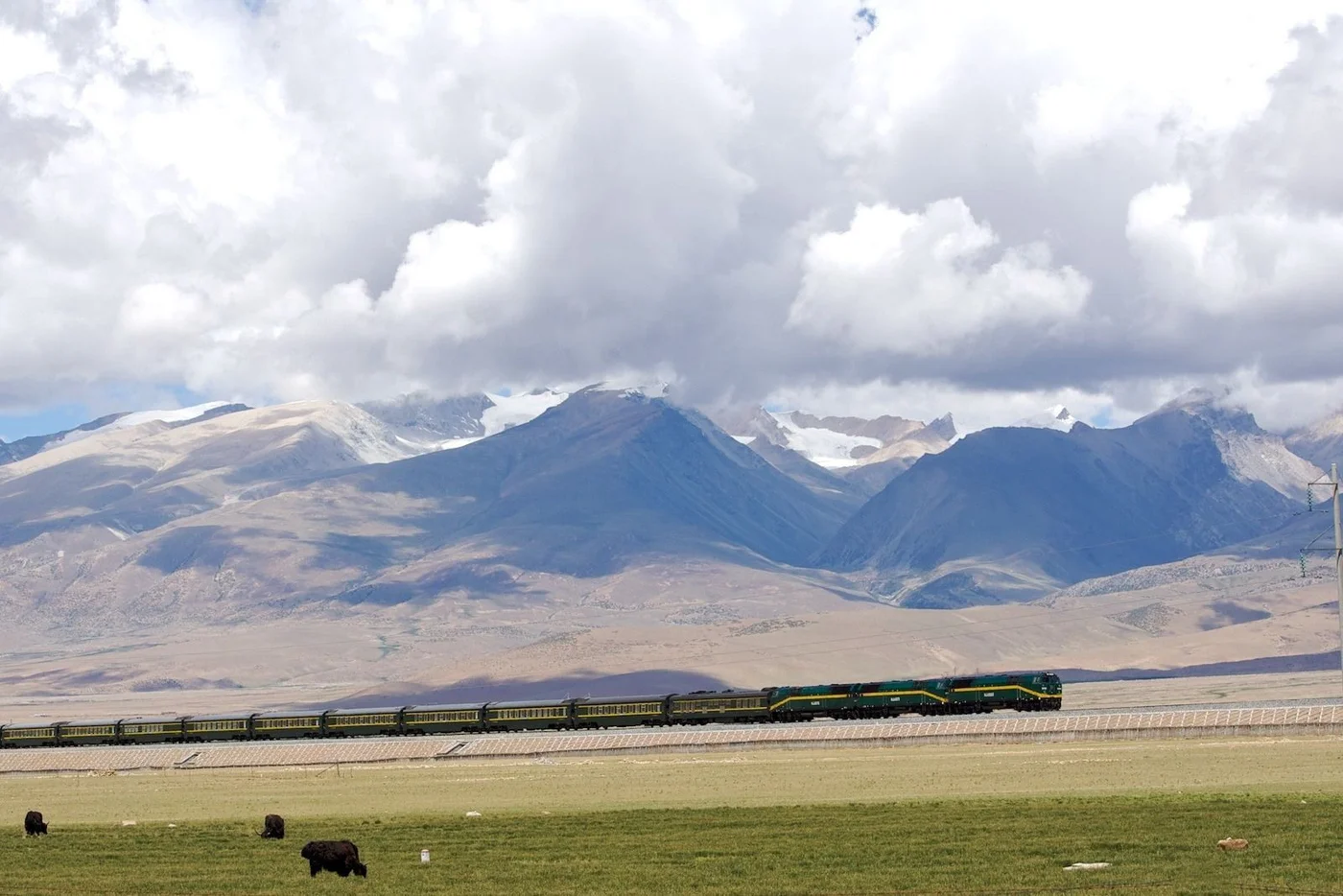
Tibet astonishes with contrasts. Scorching sun can give way within a single day to an icy wind with snow. Majestic eight-thousanders — Everest, Cho Oyu, Shishapangma — stand all around like enormous guardian giants. Next to these titans lie turquoise lakes and boundless high plains with herds of shaggy yaks, past which trains speed along the "sky" railway.
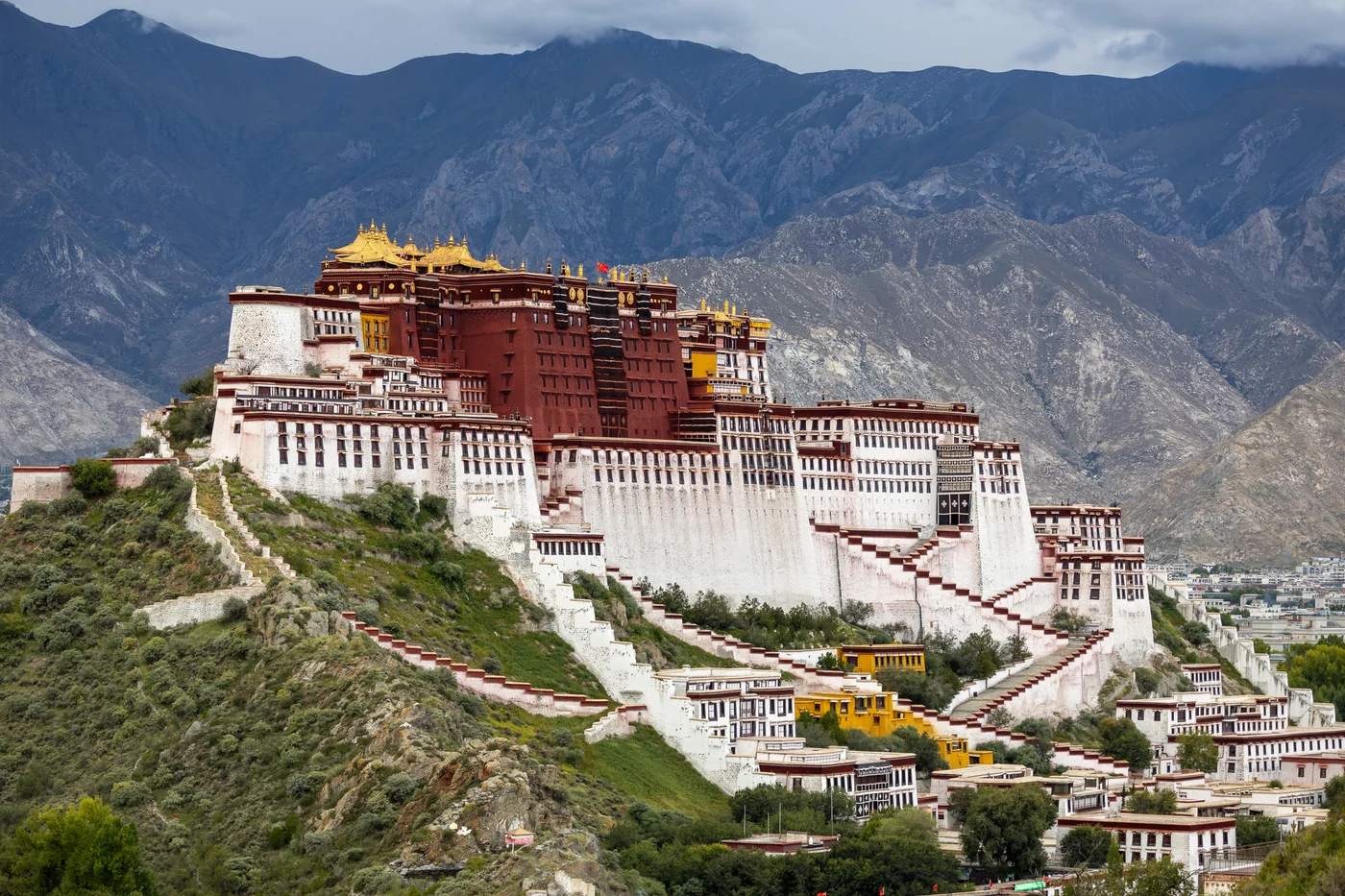
Tibetan cities greet you with the same combination of the incompatible. In Lhasa the archaic is interwoven with the modern, creating a unique balance between eternity and the moment of "here and now". The Potala Palace — like a stone ship moored to the mountain — keeps the history of an entire people within its walls. In the ancient monasteries of Jokhang and Sera, where monks practise philosophical debate, time seems to flow differently. But there is another Lhasa too — with neon lights, first-class hotels and restaurants. There is even its own KFC, the highest on the planet.
Civilisation and antiquity also sit side by side on the way to Everest Base Camp. On the Tibetan side, kilometres of smooth asphalt have been laid almost to the very foot of the mountain. In the tent town at an altitude of about 5000 metres 5G works, and tourists are offered everything for comfort. But this same valley remains a place of centuries-old spiritual power. Here, where for centuries mantras were chanted in the direction of Chomolungma, stands Rongbuk Monastery — the highest in the world, founded more than 120 years ago.
Food as a source of energy: what people eat in Tibet
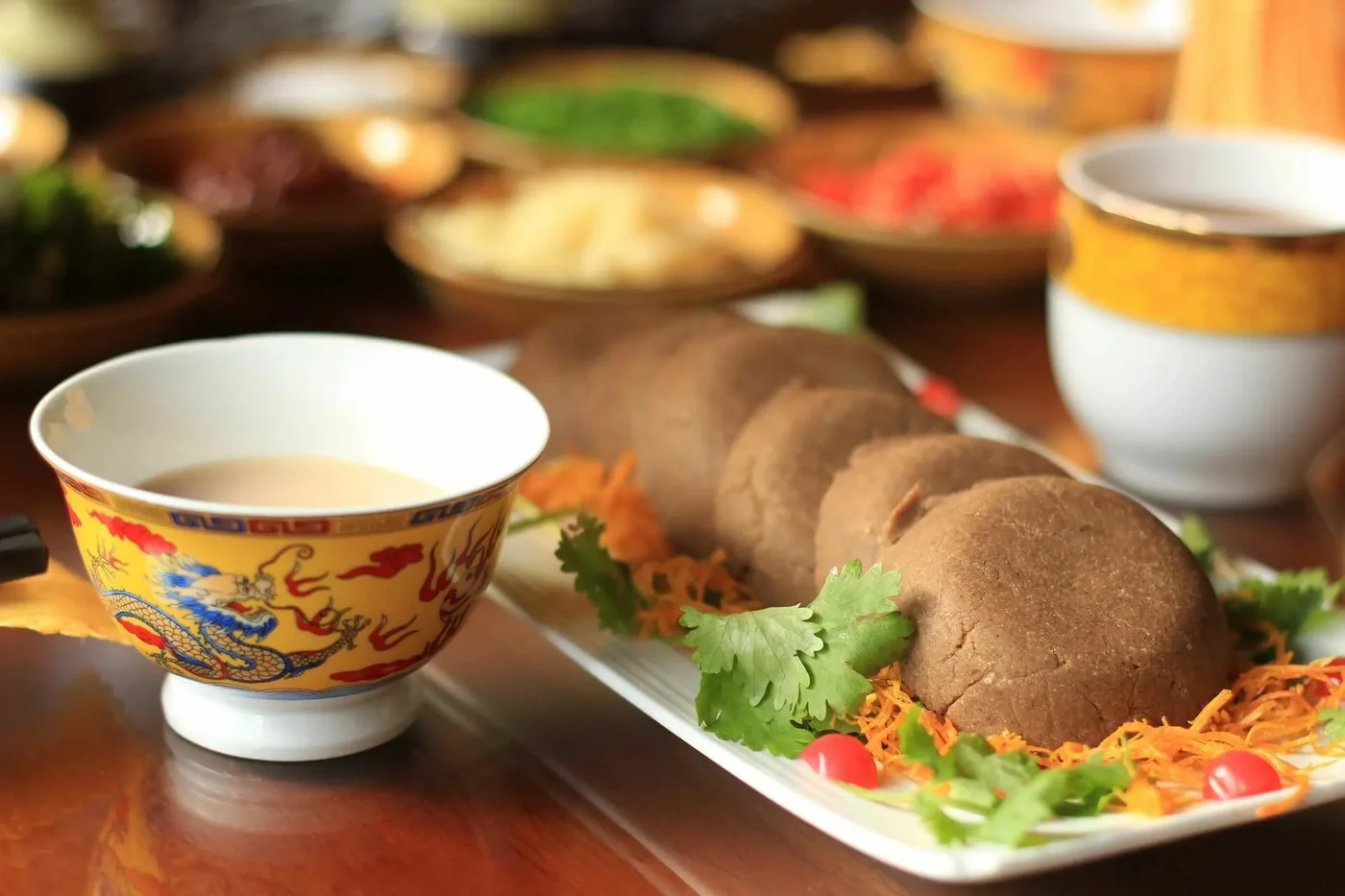
The higher you climb, the more you begin to value the simplest things. This can be felt in the food too: here it is not a gastronomic indulgence but a source of energy. Salted tea with milk and yak butter, tsampa made from roasted barley flour, stewed yak meat. Simple, hearty and honest food — just like Tibet itself.
The kora around Kailash: a route like life itself
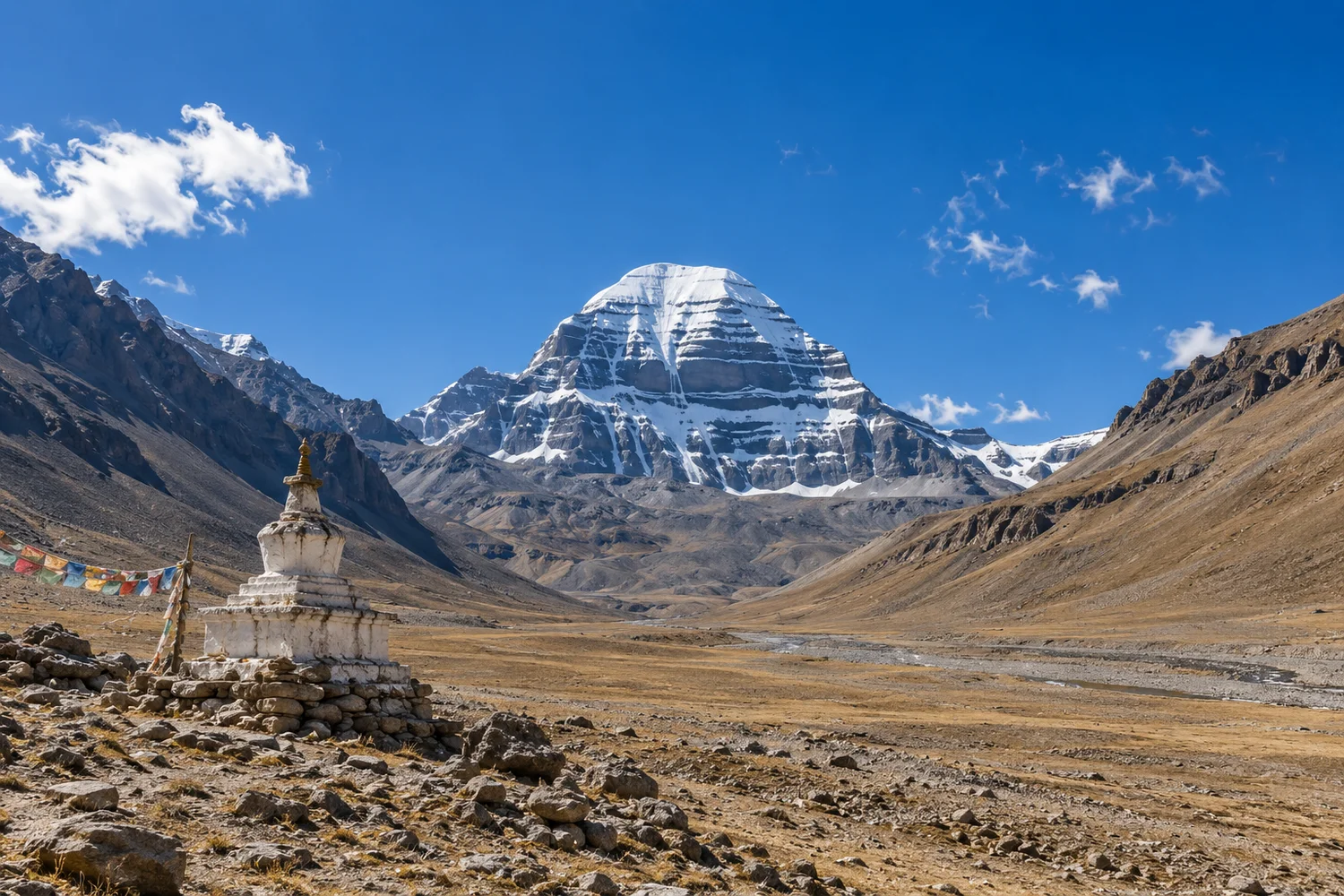
But people come here not only for the great mountains, cultural immersion and unusual souvenirs. Many seek something more personal — a new spiritual experience and themselves. Then the route leads to the sacred Mount Kailash. The path around it, the kora, is sometimes compared to a journey through life. Day one is the past. Time to let go of old grievances and leave the burden of what was behind. Day two is the present. The crossing of the Drolma La pass. On this difficult stretch body and spirit work at their limit, and what helps you get through is the "Himalayan step" — slow but unbroken movement towards the goal. Day three is the future. The descent into the valley and the end of the kora, bringing calm and answers to inner questions.
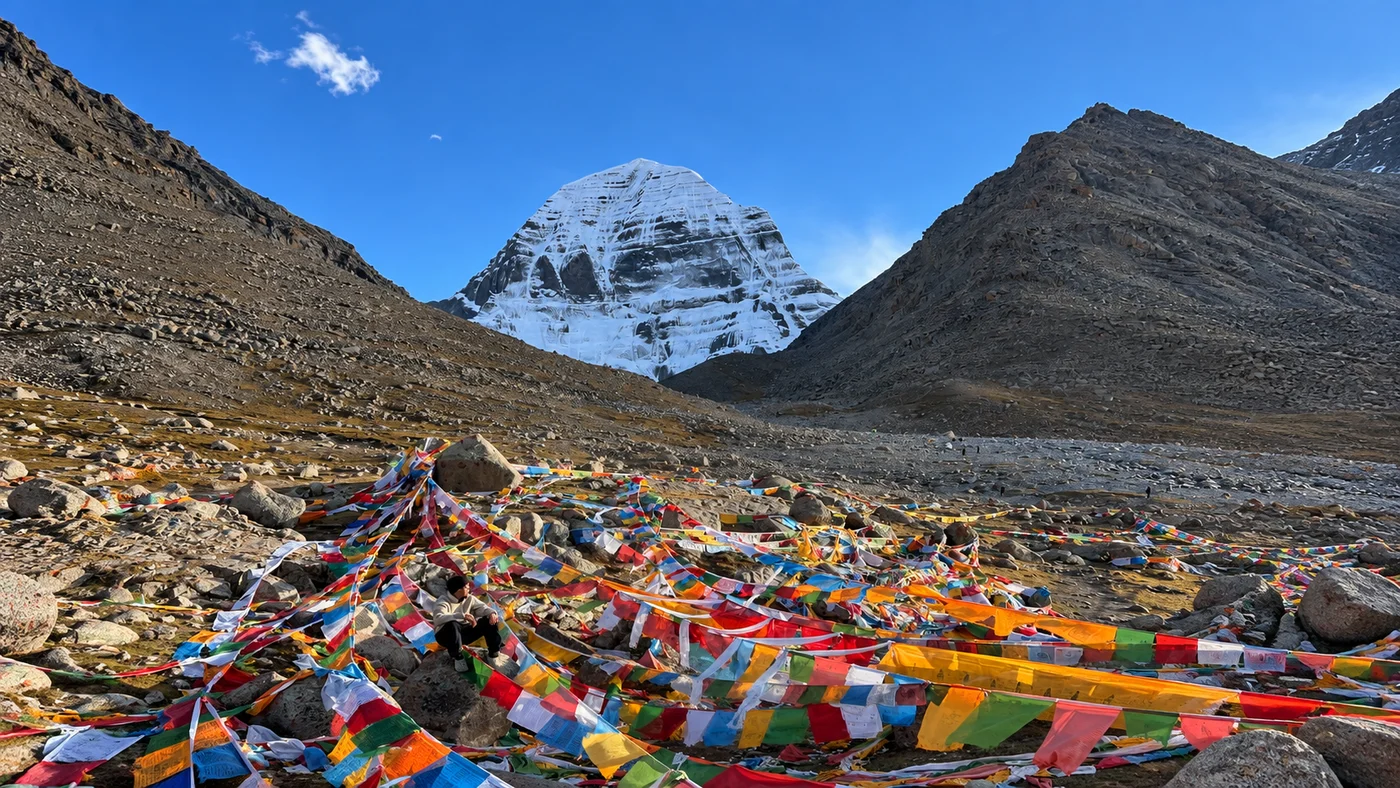
After climbing to an altitude of 5600 metres, familiar problems seem small, and life seems full of possibilities and open to new accomplishments. Those who have walked this path take away with them their own small "terma" — a treasure-insight that will go on working inside them long after they return home.
Want to feel this magic? To see the beautiful, almost living sky and touch it within yourself? Join our journeys: the Golden Triangle of Tibet, Everest Base Camp and the kora around Kailash await you!
We will find a route for you
Tell us what interests you — and the destination expert will get in touch, answer your questions about altitude, timing and preparation, and suggest a suitable programme. The consultation is free and commits you to nothing.