


Altitude 5000+ Without Panic: About Altitude Sickness and Acclimatization in Tibet
People are sometimes afraid to go to Tibet because of the altitude. We sort it out without scary stories: how acclimatization works, what altitude sickness is, and how to help your body adapt.
Getting used to altitude and the right programme
Frequently asked questions (FAQ)
Tibet lies on the highest plateau on Earth, and practically all the popular routes here run at altitudes an ordinary person is not used to. Lhasa greets you at 3650 metres, and during the Kailash kora and the trip to Everest Base Camp tourists climb above 5000 metres.
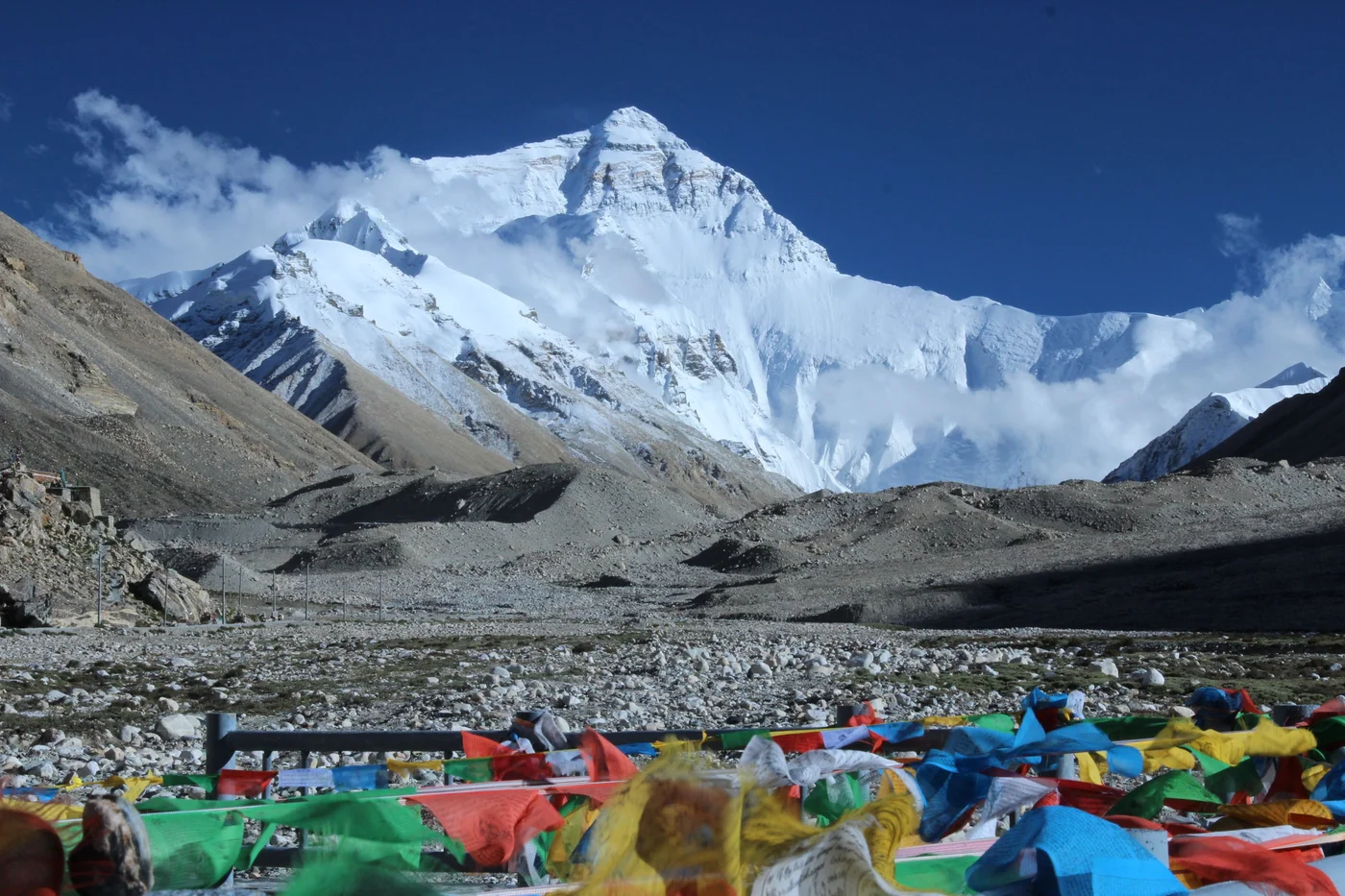
In the mountains atmospheric pressure falls, the air becomes thinner, and with each breath less oxygen enters the blood than at sea level. At the foot of Everest, for example, the figures drop by almost half. As a result, people experience what is called altitude sickness, or mountain sickness. In mild cases they feel a passing headache, shortness of breath and weariness, while severe forms are life-threatening.
Point on the route / Location | Altitude (metres) | Effective oxygen concentration (%) |
Sea level | 0 | 20.9% |
Lhasa | 3658 | 15.0% |
Shigatse | 3836 | 14.8% |
Mount Kailash area (foot of the mountain) | 4575 | 13.6% |
Everest Base Camp (Tibetan side) | 5050 | 12.6% |
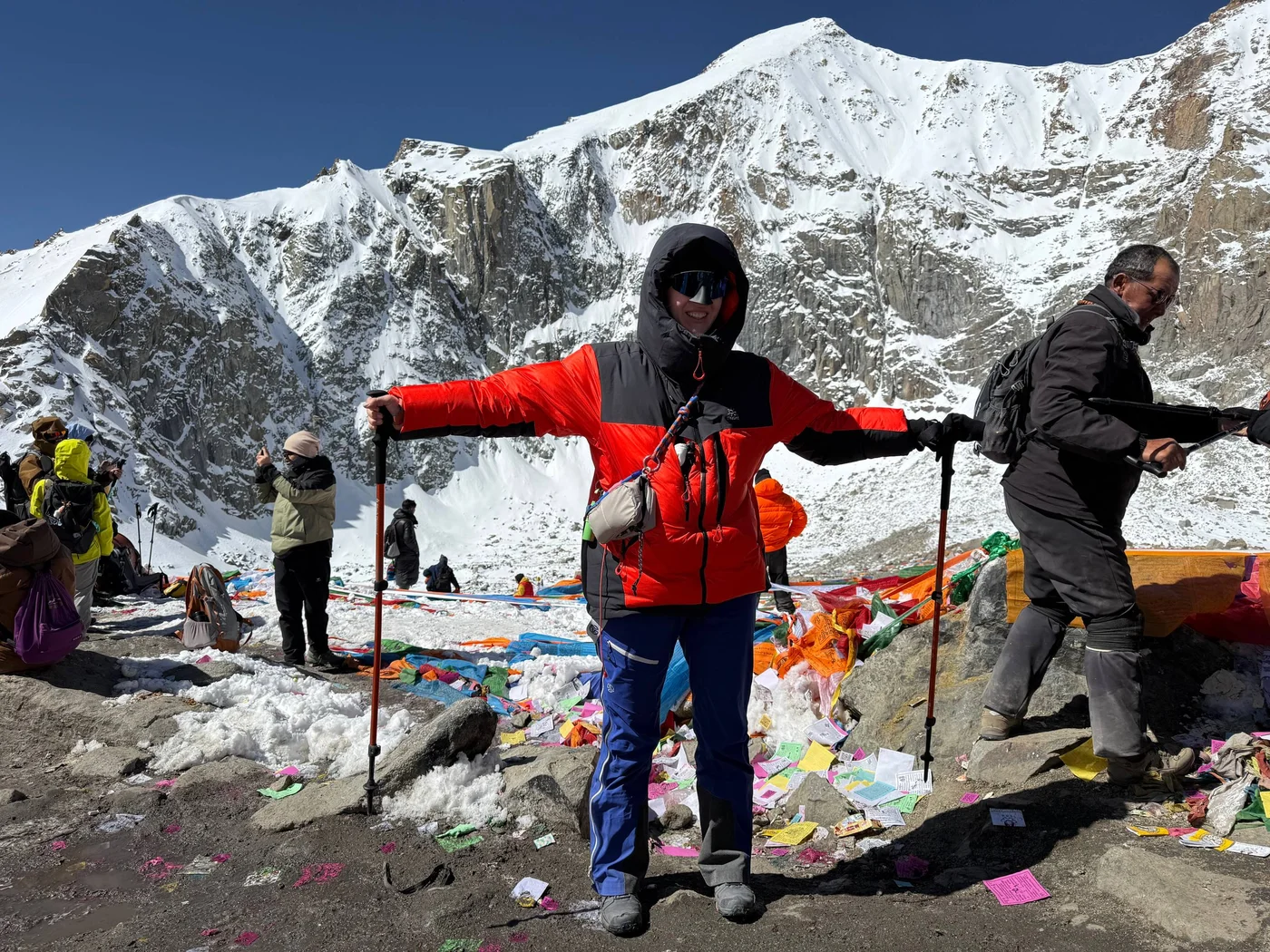
Drolma La pass (the highest point of the kora) | 5630 | 11.9% |
Summit of Everest | 8848 | 6.7% |
Effective oxygen concentration shows what share of this gas a person would get if they were breathing at sea level. The actual oxygen content of the air at any altitude stays at around 20.9%, but because of the fall in partial pressure the body absorbs it less well.
But there is no need to be afraid of travelling to Tibet. Tens of millions of people come here every year, and it is perfectly safe, although you need to understand what is happening to the body at altitude and follow a few simple rules.
Getting used to altitude and the right programme
When oxygen is short, protective mechanisms switch on: the heart begins to beat faster, and breathing becomes deeper and more frequent — doctors call this hyperventilation. In addition, a cascade of other changes is triggered: the kidneys actively remove fluid, the blood thickens, and the bone marrow produces extra red blood cells — all so as to deliver oxygen more efficiently. Once the body has readjusted, it begins to work calmly in the new conditions. But the process takes time and cannot be hurried by willpower.
That is why gradual adaptation in the mountains matters more than physical fitness, and properly planned trips in Tibet always involve a gentle gain in altitude. On Kailash tours, groups spend two or three days in Lhasa with almost no exertion. Then they head to Shigatse and Everest Base Camp — higher and further west with each day. At Tibet Expert we consistently follow the well-known climbers' principle "climb high, sleep low", and we never raise the overnight stop by more than 500 metres in a day. After about a week on the plateau, people reach the start of the kora in Darchen well prepared, and the Drolma La pass (about 5630 m) comes more easily.
How to help your body adapt
A new rhythm of life. Tibet does not like fuss and haste: you will have to switch to a measured pace and not hurry. Not picking up speed when walking, resting more often, enjoying the scenery and giving the body time to readjust — this is the most reliable tactic.
Attention to yourself. If your head starts to ache or you feel heaviness in the chest, do not just suffer in silence. It is important to monitor how you feel and to talk about it honestly with your guides. If the discomfort grows, there is always oxygen in the hotels and on the route. Using it at altitude is normal, not a weakness.
Drinking. The dry air of the plateau and frequent breathing dehydrate you imperceptibly. So you need to drink even when you are not thirsty — at least 3–4 litres of fluid a day.
Eating. A skipped dinner means less strength tomorrow, so you should not turn down food. The best choice is light carbohydrates: rice, noodles, porridge, fruit. They are absorbed faster than fatty meat and supply the body with energy.
No stimulants. Alcohol and sleeping pills can suppress breathing and aggravate the lack of oxygen. It is also better not to overdo coffee — caffeinated drinks can increase dehydration.
The Tibet Expert team takes full responsibility for safety. The group carries oxygen, pulse oximeters, and a high-altitude medical kit. Guides closely monitor each participant's condition. If symptoms of altitude sickness worsen—such as severe nausea, slurred speech, or an unsteady gait—the best course of action is to descend. This is the most reliable and rapid way to restore well-being. Often, descending just 500–1000 metres is enough for the person to feel better. However, throughout the company's years of operation in Tibet, it has never been necessary to resort to this extreme measure; thanks to proper acclimatization in Lhasa and a gradual ascent, every participant has successfully completed the route.
Frequently asked questions (FAQ)
Can I wash and take a shower in the first days after arriving in Lhasa?
On arrival it is better not to wash your hair or take a hot bath. The change in temperature and the hot air of a hairdryer can increase blood flow and provoke a headache. But an ordinary quick shower will do no harm.
What should I do if I lose my appetite or feel slightly nauseous at altitude?
This is a normal reaction of the stomach to oxygen deficiency in the first days. You do not need to force yourself to eat, but going hungry is not good either. It is better to have a light, sweet snack: a banana, some dried fruit or chocolate. Simple carbohydrates quickly restore the body's energy.
How can I protect my face and lips from drying out in the mountains?
The air on the plateau is very dry. Because of the constant wind and harsh sun, the skin on the face and hands starts to flake badly, and lips can crack. Water-based moisturising creams help little here. Experienced travellers take rich children's creams, panthenol-based ointments and greasy lip balms with SPF protection to Tibet. You also cannot do without sunscreen with SPF 50+.
Should I start taking special pills in advance, back at home?
Taking serious altitude medication as a preventive measure makes no medical sense. The body must begin adapting on its own. Any medicines from the high-altitude first-aid kit are used strictly on the route and only after consulting the tour guide.
Altitude in Tibet is not an enemy to be fought. It is simply new conditions that you get used to. Mountains do not like haste, but if you walk calmly, drink enough water and listen to your guide, the body usually copes by itself.
This article is for information purposes only and does not replace consulting a doctor.
We will find a route for you
Tell us what interests you — and the destination expert will get in touch, answer your questions about altitude, timing and preparation, and suggest a suitable programme. The consultation is free and commits you to nothing.