

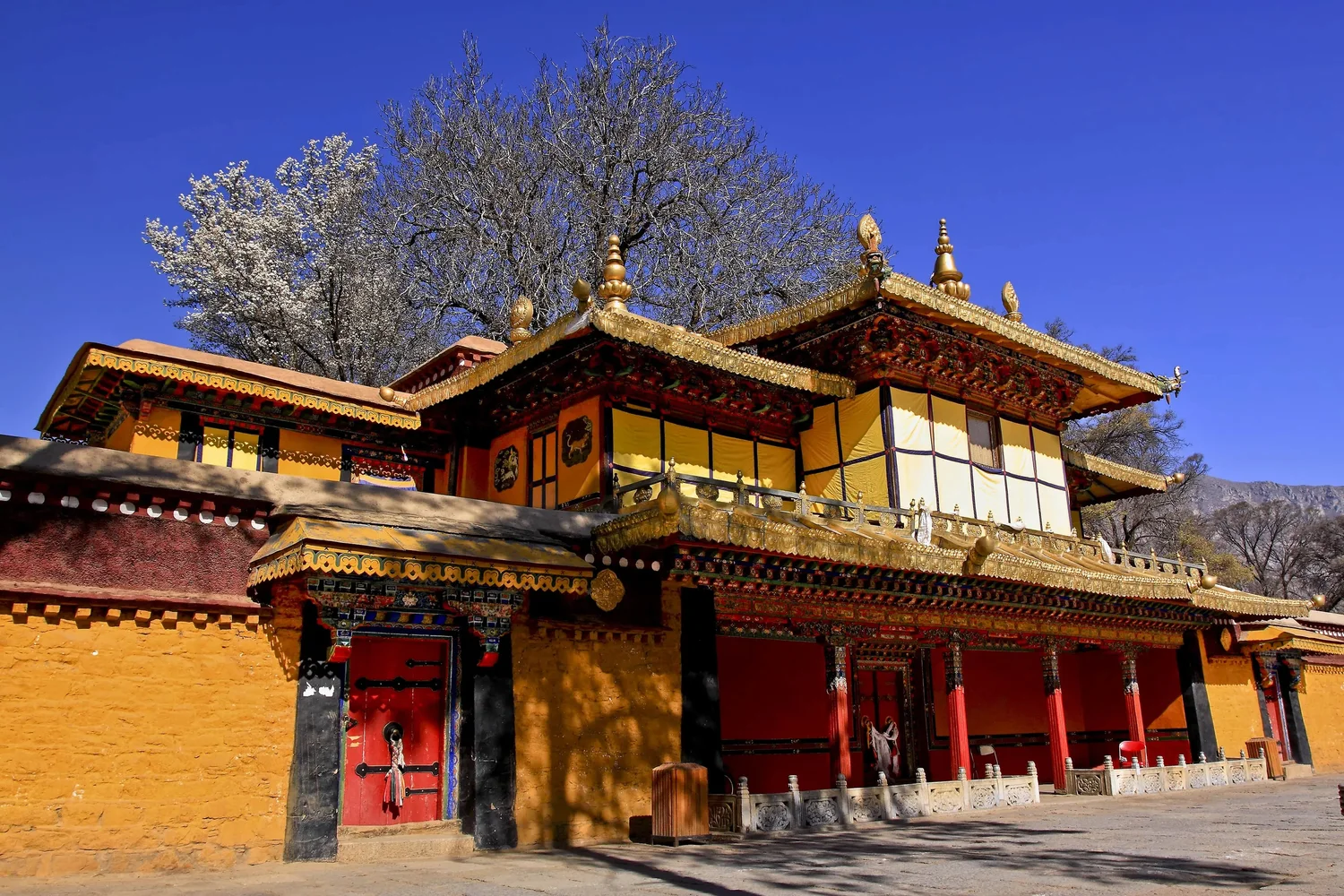
The Golden Triangle of Tibet
Lhasa, Gyantse and Shigatse. The Potala Palace, ancient monasteries and Lake Yamdrok. What to see, when to go and what weather awaits you on the way.
A Tibet that will surprise you: roads, trains and a mountain "sanatorium"
Geography and weather: what you need to know for a trip to Tibet
For centuries Tibet has lured travellers with its seclusion, the highest peaks in the world and an aura of mystery. In this place time seems to flow more slowly, and the air is filled with the scent of juniper incense and the sound of prayer wheels. Today people come here for different reasons: to see the snow-capped ranges of the Himalayas, to touch the history of Tibetan Buddhism, to go through an inner reset, to discover distinctive traditions and to try the local cuisine.
For a first introduction without excessive strain, the Golden Triangle of Tibet tour is a good fit. The name has stuck for a reason, because the route brings together the three main historical, cultural and spiritual centres of the region: the capital, Lhasa, and the towns of Gyantse and Shigatse. Each of these places holds its own part of Tibetan civilisation, and to get the full picture you need to see all three. The route lets you soak up the atmosphere and feel the spirit of Tibet — its culture, religion and nature.
The main points of the route
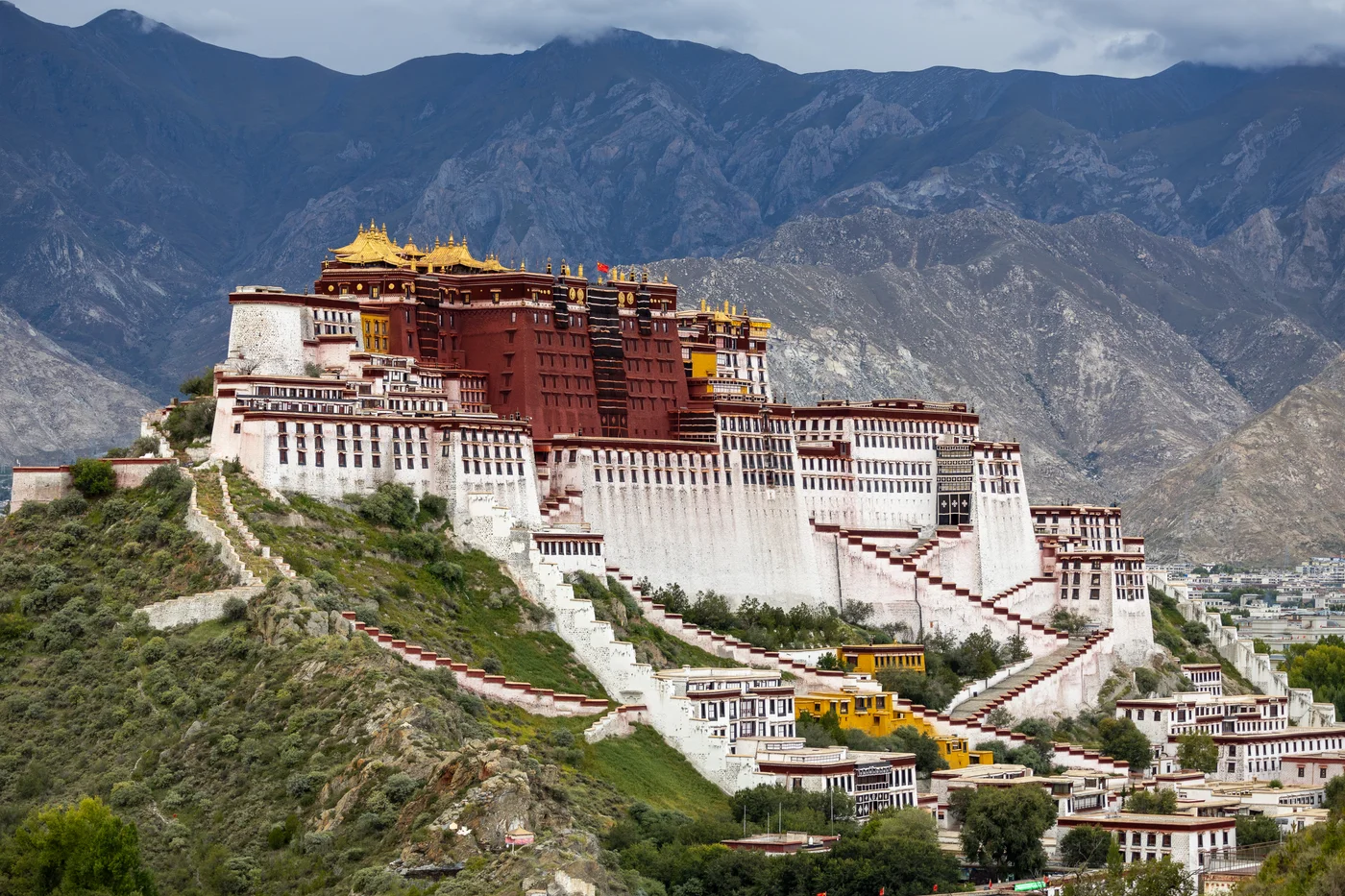
The journey begins with Lhasa — the administrative and spiritual centre of Tibet. The city, at an altitude of 3650 metres above sea level, greets you with a remarkable mix of the ancient and the modern. Its heart is the Potala Palace, the former winter residence of the Dalai Lamas. It is the highest palace complex on the planet: its 13 storeys rise 117 metres from the base. This grand white-and-red structure of stone and wood was built in the 17th century without a single steel nail. Inside is a whole anthill city of thousands of corridors and rooms, which hold priceless thangka scrolls, golden stupas with the ashes of rulers and rare relics.
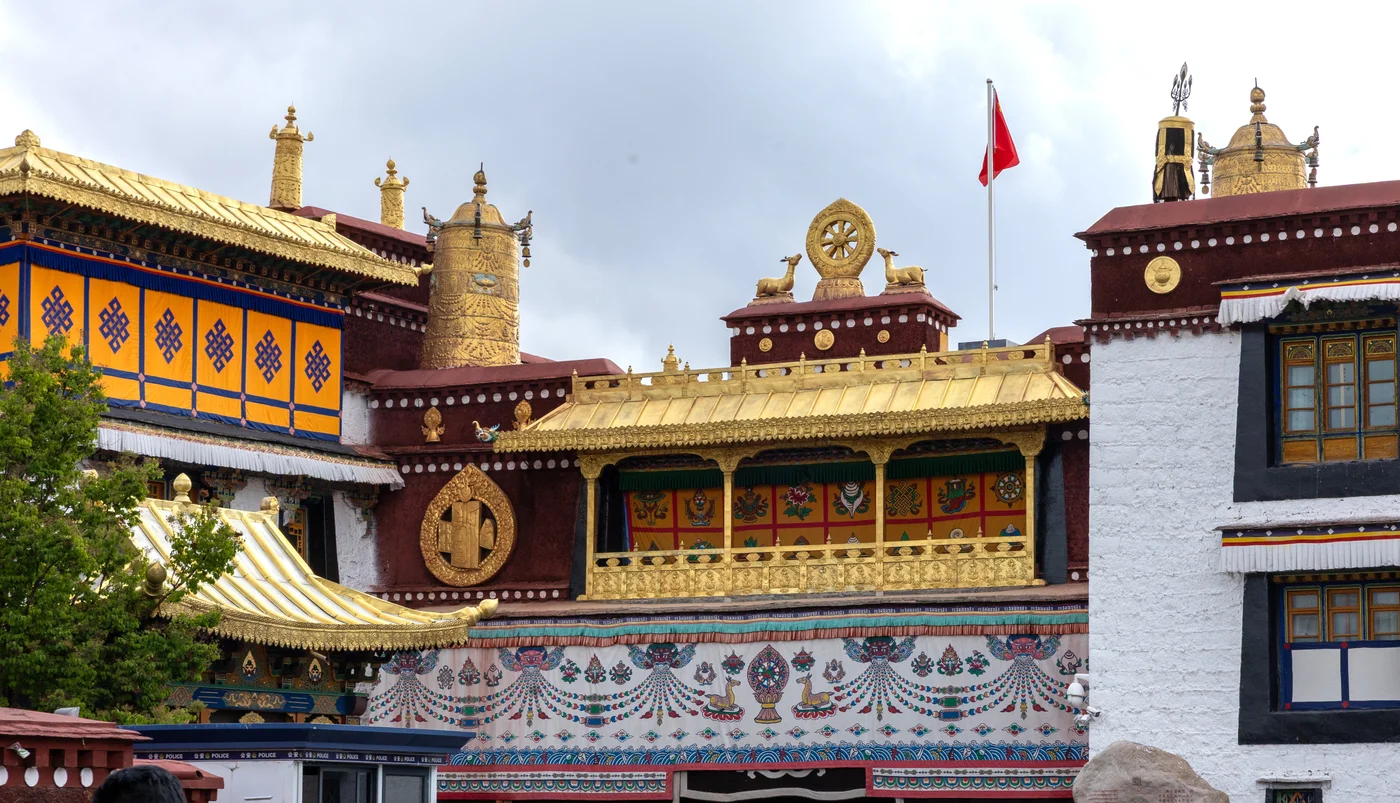
Not far from the Potala is the Jokhang Temple, a place of attraction for pilgrims. Here stands the statue of Jowo Shakyamuni, one of the most revered images of the Buddha. According to tradition, it was made in India during the Buddha's lifetime and brought to Lhasa in the 7th century. Believers from all over Tibet walk around the shrine along a ritual circuit paved with stone slabs. Right there on Barkhor Street, city life bustles with its noisy market, shopping arcades and teahouses.
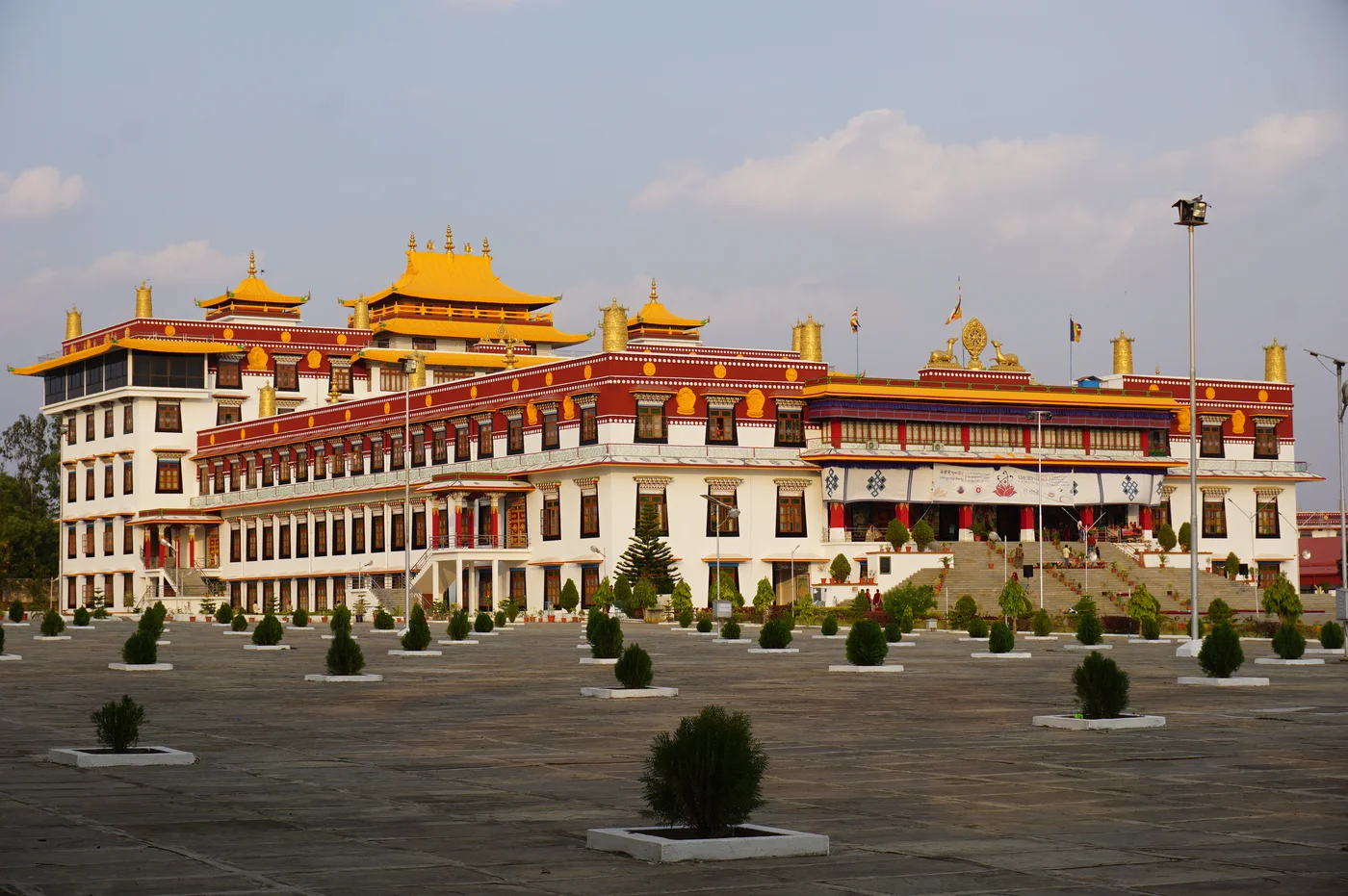
In the suburbs of Lhasa are the largest Buddhist monastery-universities, Drepung and Sera. There you can watch the famous philosophical debates of the monks, during which they gesticulate and clap their hands loudly. The clap symbolises the strike of truth, which is meant to awaken the opponent's mind and dispel delusions. The debates are very lively, often with smiles, but the discussions deal with extremely serious subjects: logic, Buddhist philosophy and the practice of mindfulness.
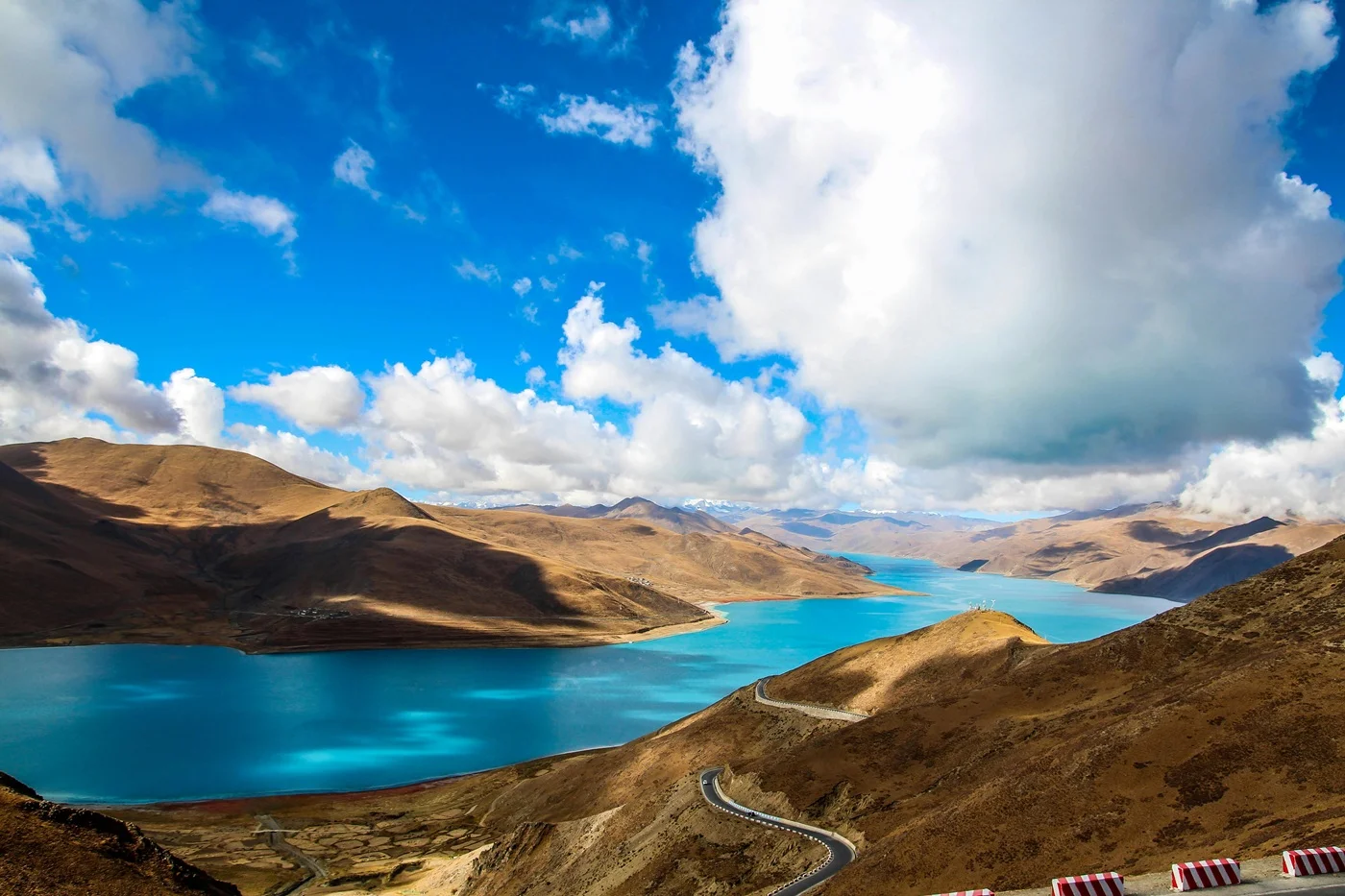
From the Tibetan capital the route heads towards Gyantse. On the way, at an altitude of about 4441 metres, lies Lake Yamdrok (Yamdrok Tso), shaped like a huge turquoise scorpion or dragon. Thanks to the special play of mountain light, the colour of the water constantly changes from soft blue to deep sapphire. They even say it is impossible to see Yamdrok twice in the same colour.
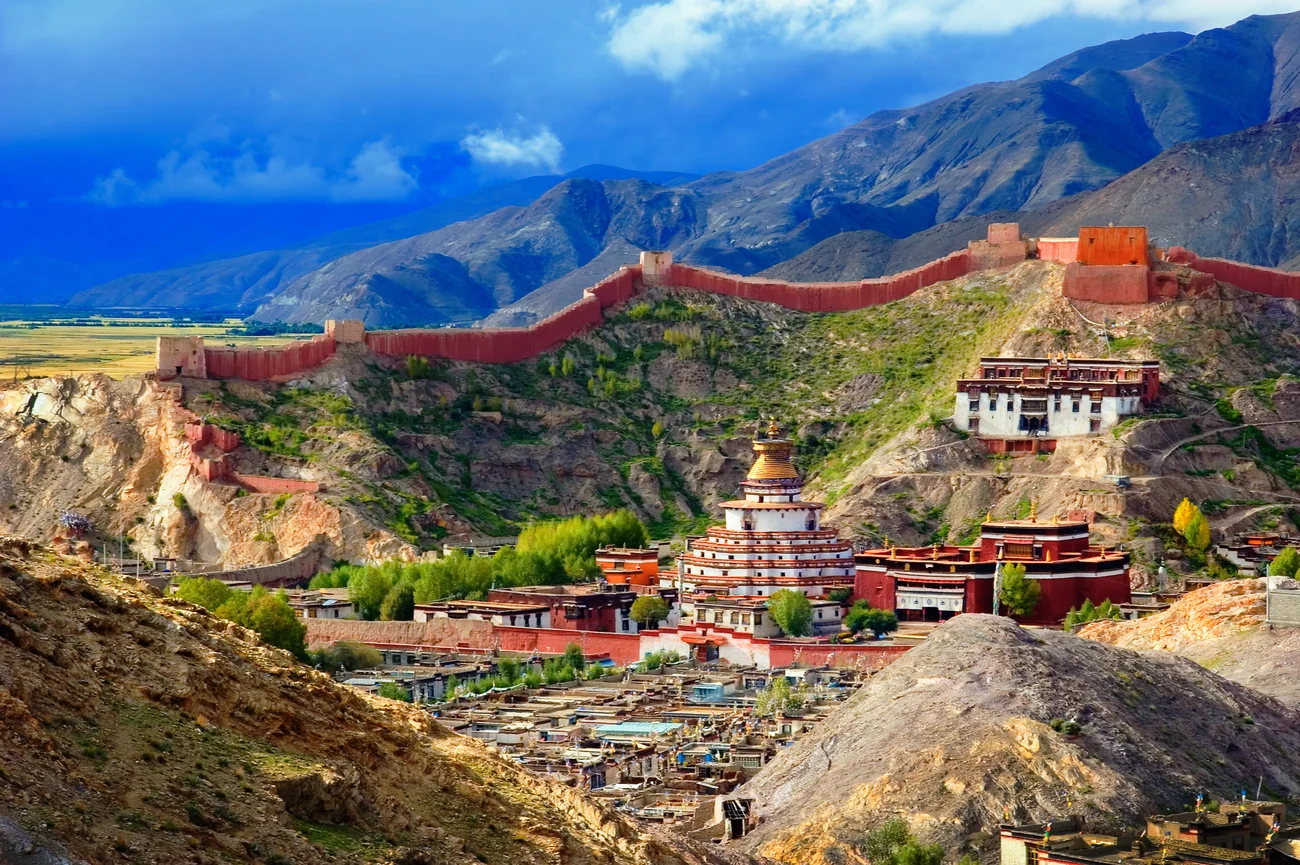
Gyantse is an old fortress town that once linked India, Bhutan and Central Tibet by trade routes. Today it is famous for Pelkor Chöde Monastery and the multi-tiered Kumbum stupa. In its dozens of chapels and rooms, the walls are decorated with ancient frescoes. Among these images are about 100,000 faces of Buddhas and deities.
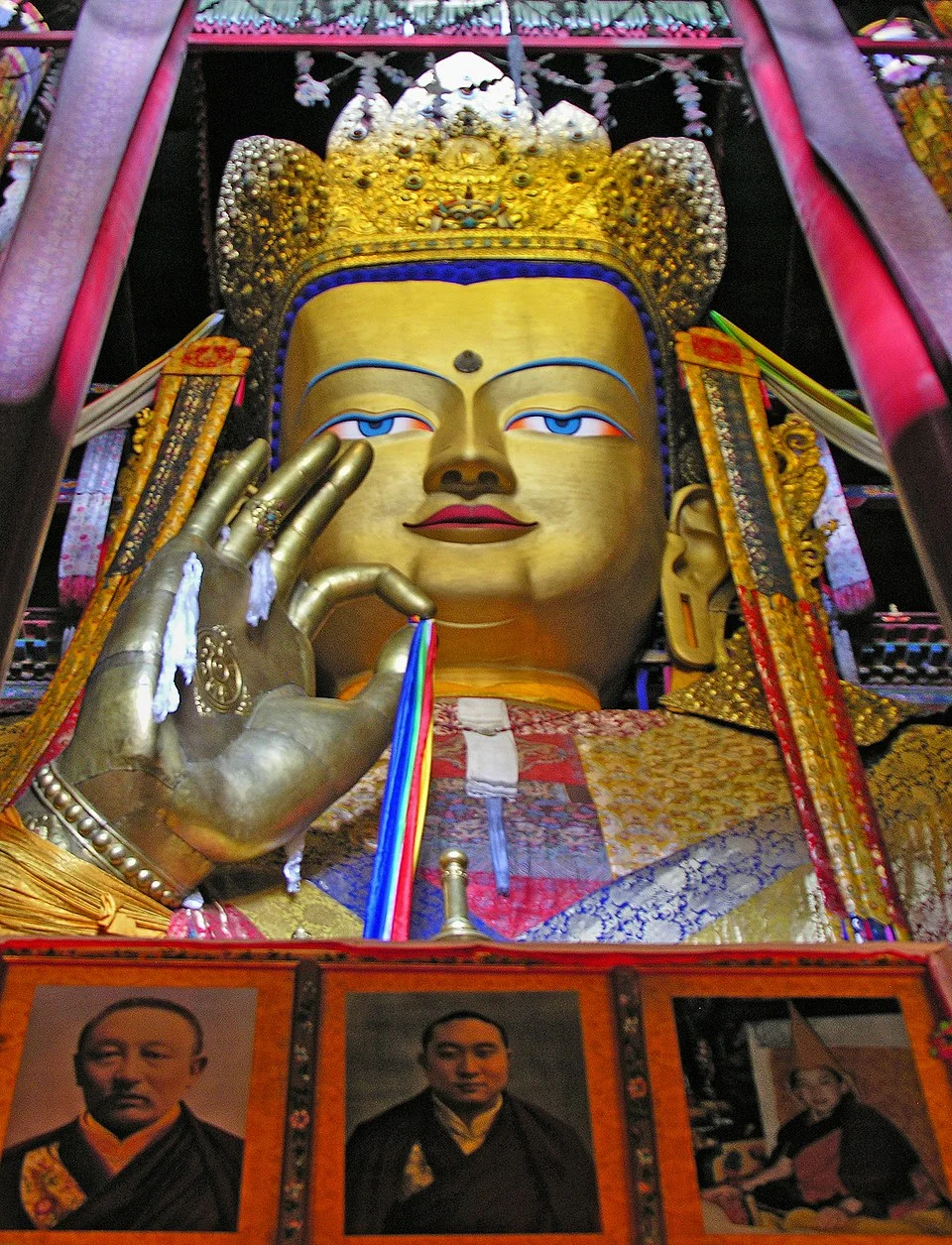
Shigatse is the second-largest city in Tibet. Here stands Tashilhunpo Monastery, the historic seat of the Panchen Lama, the most important figure in Tibetan Buddhism. Inside is a 26-metre statue of Maitreya Buddha, entirely covered in gold and studded with precious stones. This statue of the Buddha is considered one of the largest in the world. More than 900 craftsmen forged it by hand over 9 years. About 300 kilograms of pure gold and 150 tonnes of copper went into the statue. Between the Buddha's brows is a diamond the size of a walnut, and on the robe more than 1400 large pearls, corals and turquoises.
A Tibet that will surprise you: roads, trains and a mountain "sanatorium"
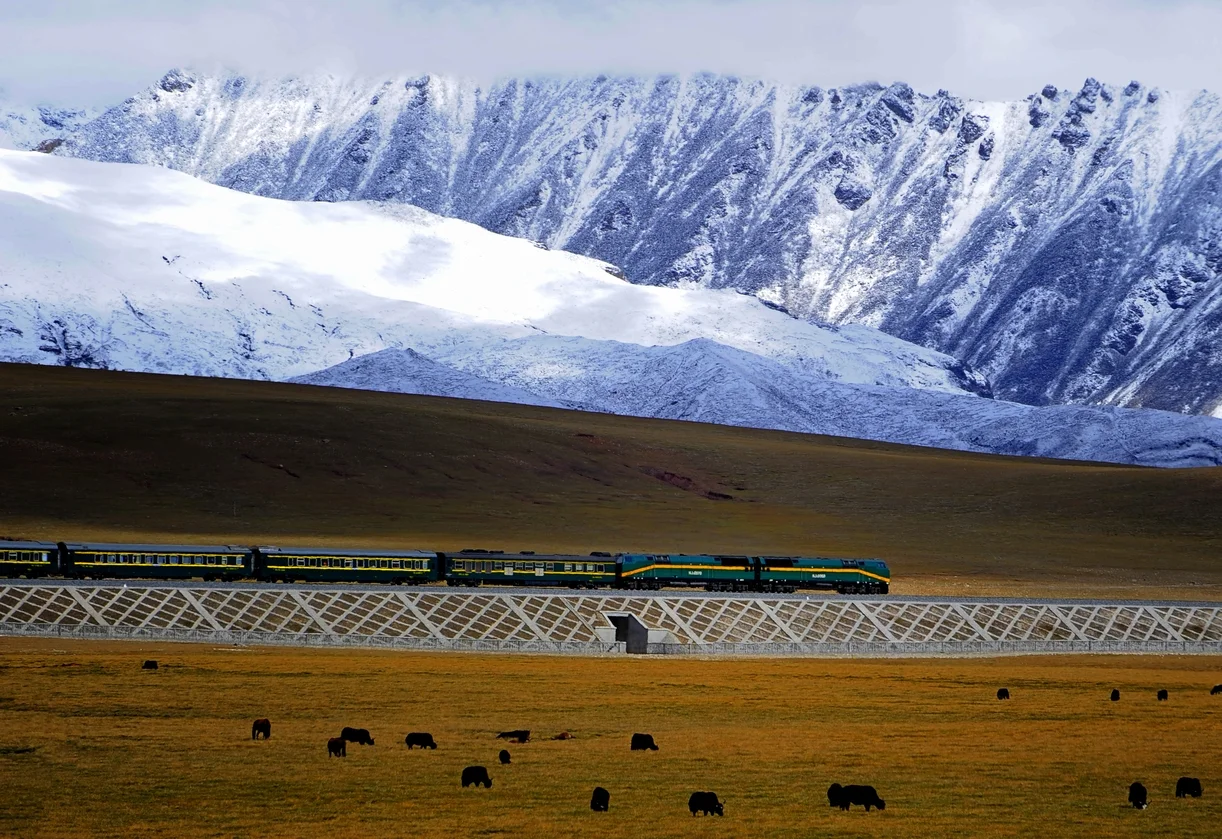
Setting off for Tibet, many expect to encounter archaic ways, but in reality the region astonishes with contrasts: contemplation and religiosity sit alongside modern infrastructure and comfort. For example, Lhasa is reached by the world's highest Qinghai–Tibet Railway, on which trains run with a special system supplying oxygen to the carriages. China has also laid thousands of kilometres of excellent asphalt where, it would seem, nothing ought to work. Tourist coaches speed along new highways at an altitude of 5000 metres. The capital itself has plenty of hotels and restaurants, including chains such as Burger King and KFC.
The gradual gain in altitude along the route gives you time to get used to the lack of oxygen, so crossing the passes is no longer an ordeal. Some even joke that a trip along the "Golden Triangle" is like a stay at a high-altitude sanatorium. There is some truth in that: clean, thin air and plenty of sun make the heart and lungs work harder, unlocking the body's hidden reserves.
Geography and weather: what you need to know for a trip to Tibet
It is not for nothing that Tibet is called the "Roof of the World". It lies on the highest plateau on the planet, with an average altitude of more than 4000 metres above sea level. This determines the climate: sharply continental, dry and rather harsh. Its main feature is the swing in temperature between day and night: the difference easily reaches 15–20 degrees. Another nuance is the powerful ultraviolet radiation caused by the thin air, so SPF 50+ cream, sunglasses with good UV protection and a hat are essential at any time of year.
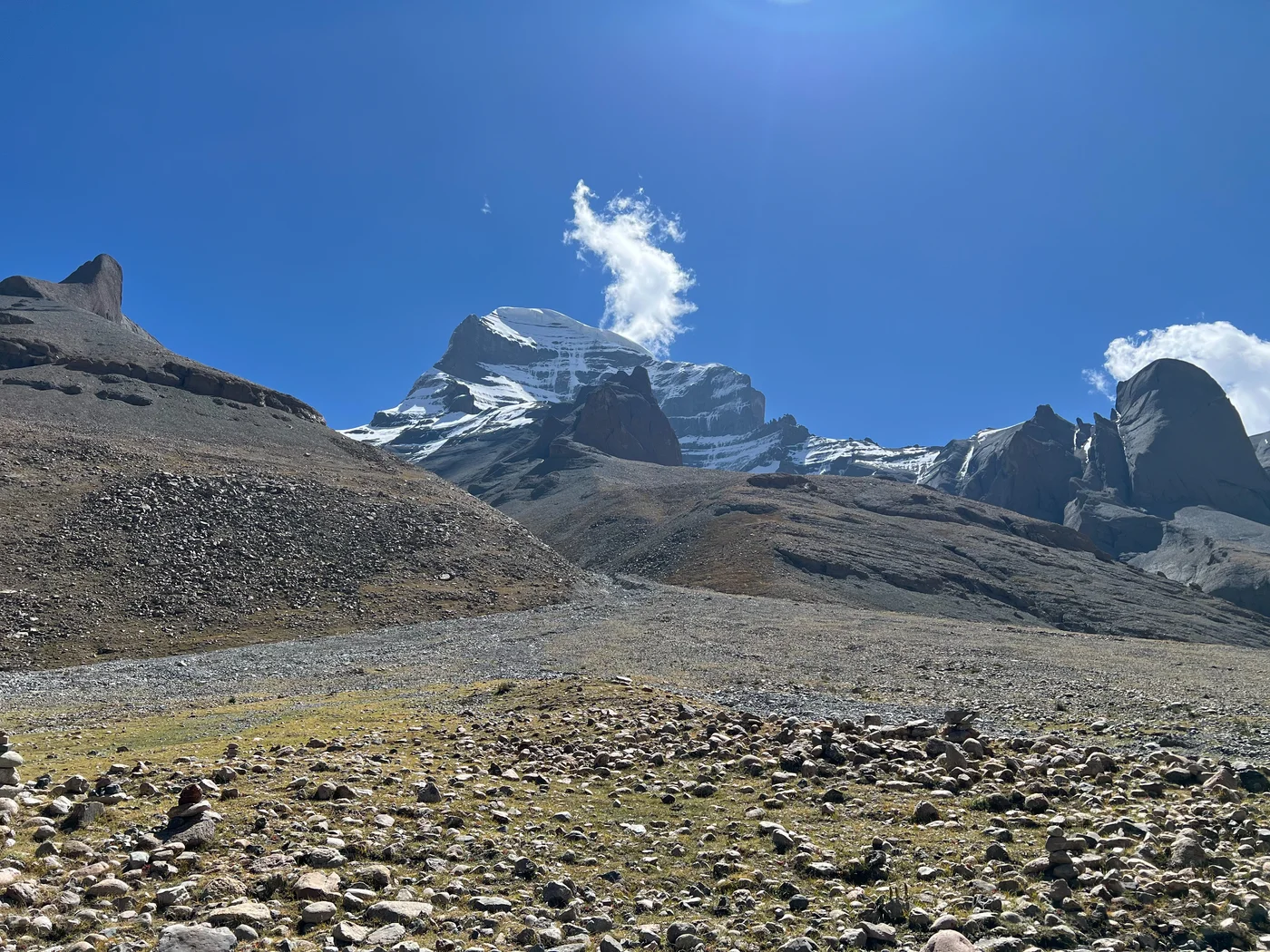
When is the best time to go to Tibet? The weather here depends on the altitude and the particular region. In Central Tibet and Lhasa it is quite comfortable in summer, while in winter the daytime temperature in the cities rarely drops below -5 °C. But at night the frost bites harder, to -10 °C, and in the mountains it is colder still.
Summer in Tibet is the warmest time of the year. In Lhasa and Shigatse the air warms to +20…+22 °C by day, and the evenings turn cool, with rain and cloud possible. From October through March the weather is dry and sunny. Winter is less crowded and cold, and the passes are covered in snow. On the other hand, the air is very clear, which photography lovers will appreciate. So you can go all year round, but the best months for travel are still May–June and September–October.
We will find a route for you
Tell us what interests you — and the destination expert will get in touch, answer your questions about altitude, timing and preparation, and suggest a suitable programme. The consultation is free and commits you to nothing.