

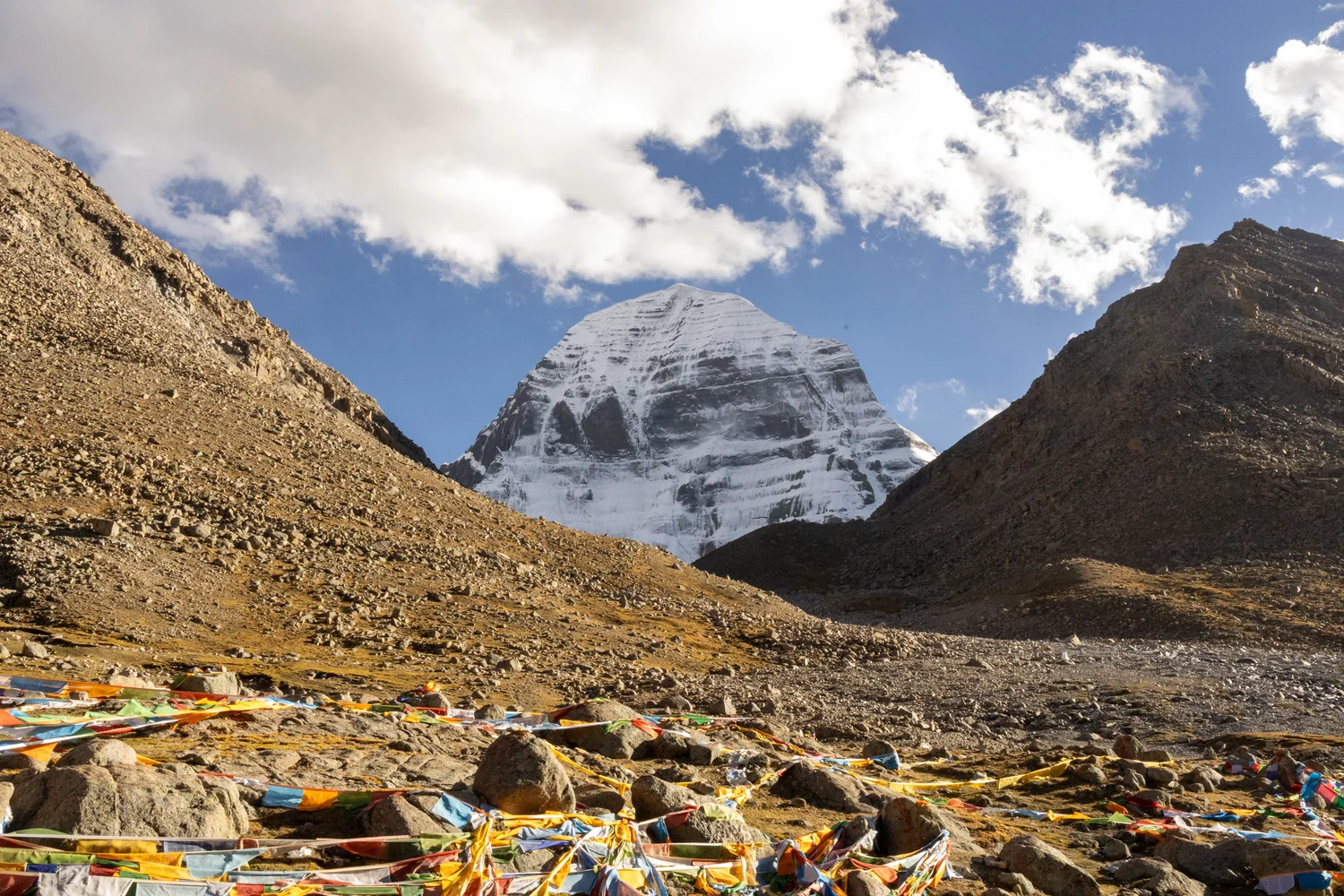
Pilgrimage to Kailash: via Nepal or Tibet? Comparing routes, safety and acclimatisation
To Kailash from Kathmandu and from Lhasa: how the directions differ — roads, gain in altitude and trip programme. What matters most when choosing a route.
Safety and roads: a contrast at the border
People do not strive for the foot of Kailash for sporting victories. From all over the world they travel to this peak, sacred to four religions, to make the ritual circuit of the mountain, the kora. The path, a little over 50 kilometres long, is not just a high-altitude adventure and a test of yourself. For many it becomes a deep inner journey — for the sake of spiritual cleansing and the search for meaning and answers to the main questions.
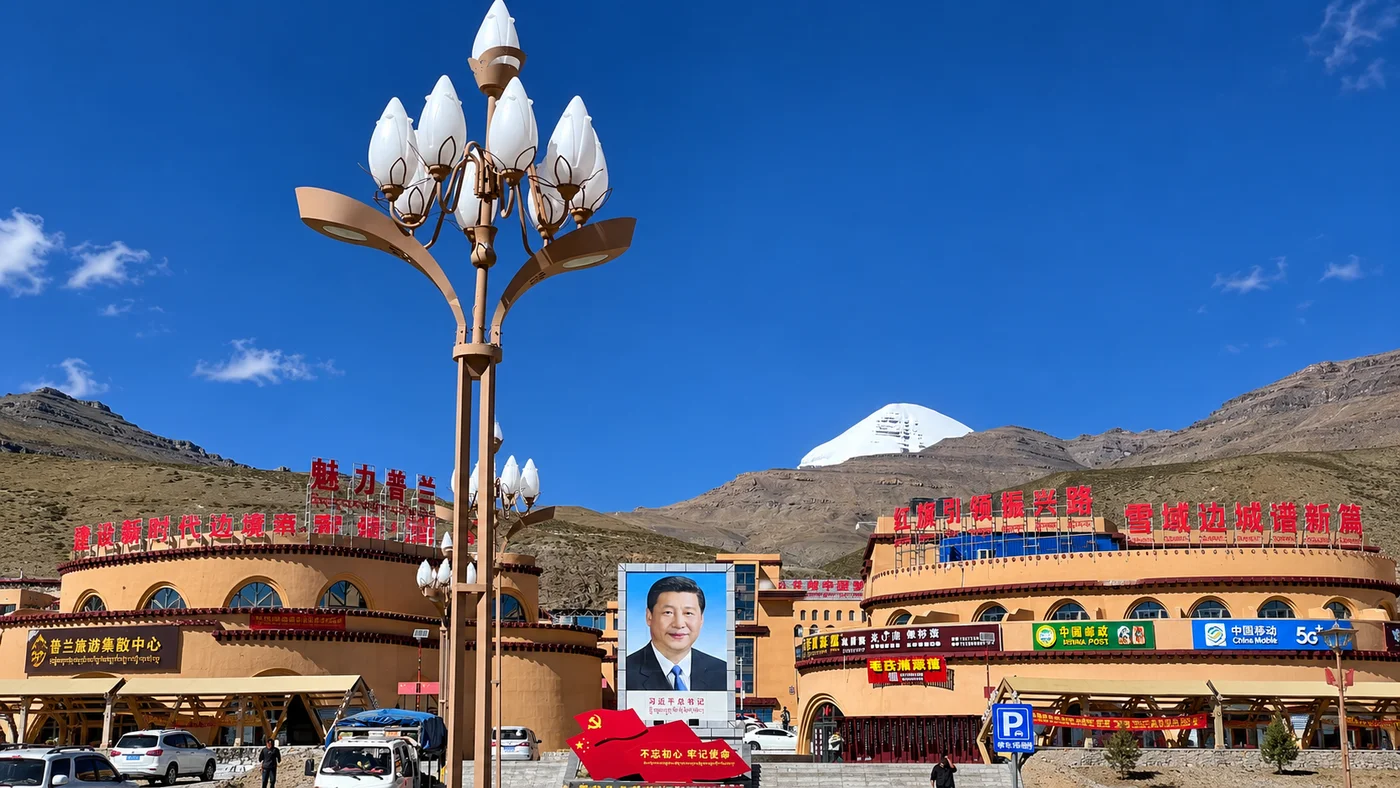
The kora begins in the Tibetan village of Darchen (4670 metres). Most often people get here from the Nepal side via Kathmandu, or across the Tibetan Plateau from China. A great deal depends on the route — the duration, the tour programme and the cost. But when setting off, it is important to remember that these are mountains, where any whim of the weather can in an instant become a threat to life.
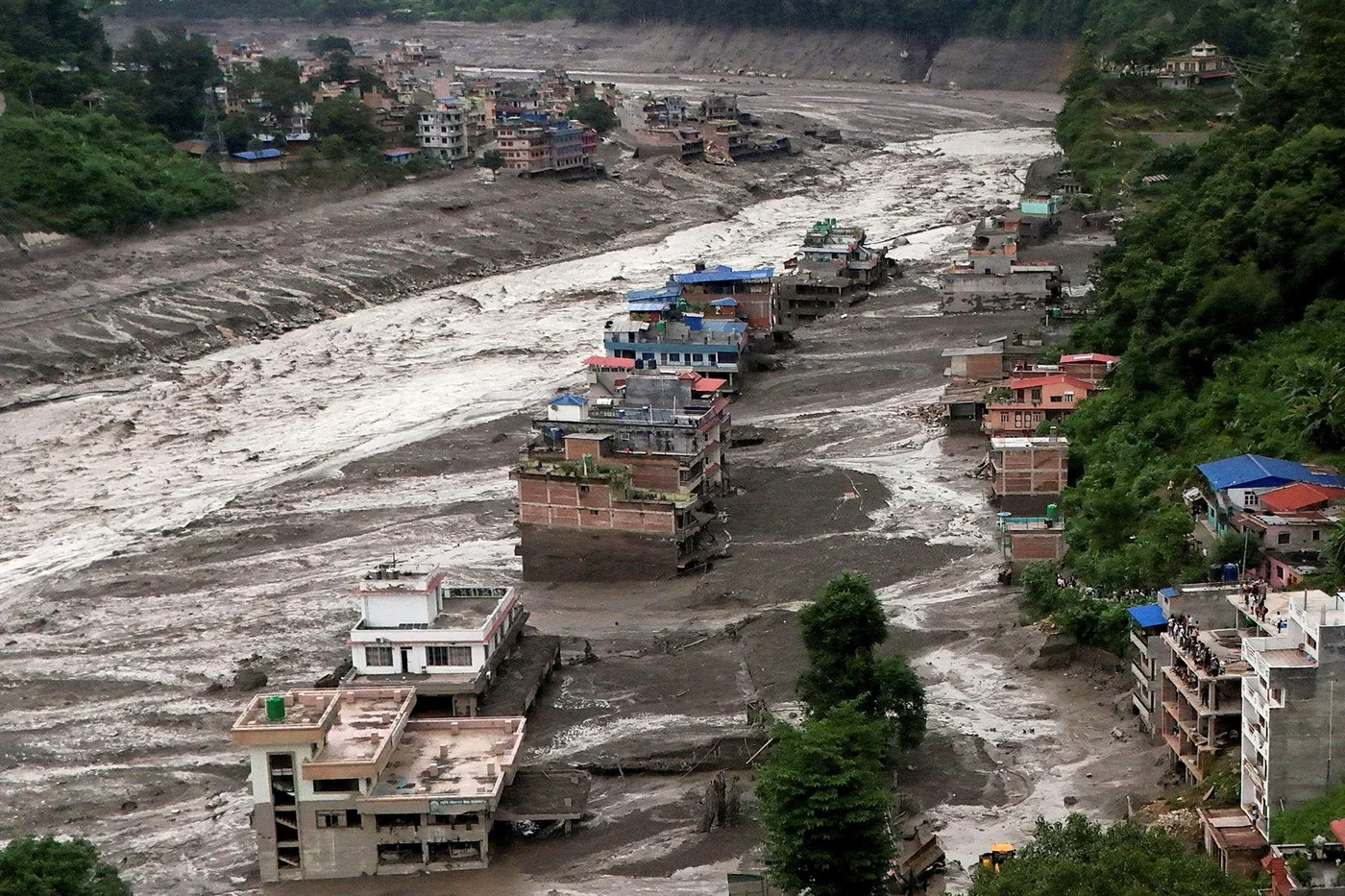
A striking example is the events on the border between Nepal and China. At the end of August 2026, a glacial lake outburst triggered a devastating flood. A powerful mudflow swept away the Rasuwagadhi–Kerung (Gyirong) border crossing, which many had chosen for travel across Tibet and for pilgrimage to Kailash. Several thousand people died or went missing, the border districts were declared a disaster zone, and the route was closed indefinitely. The situation clearly proved that tourists should think first of all about safety, and only then about price and the speed of getting there.
Safety and roads: a contrast at the border
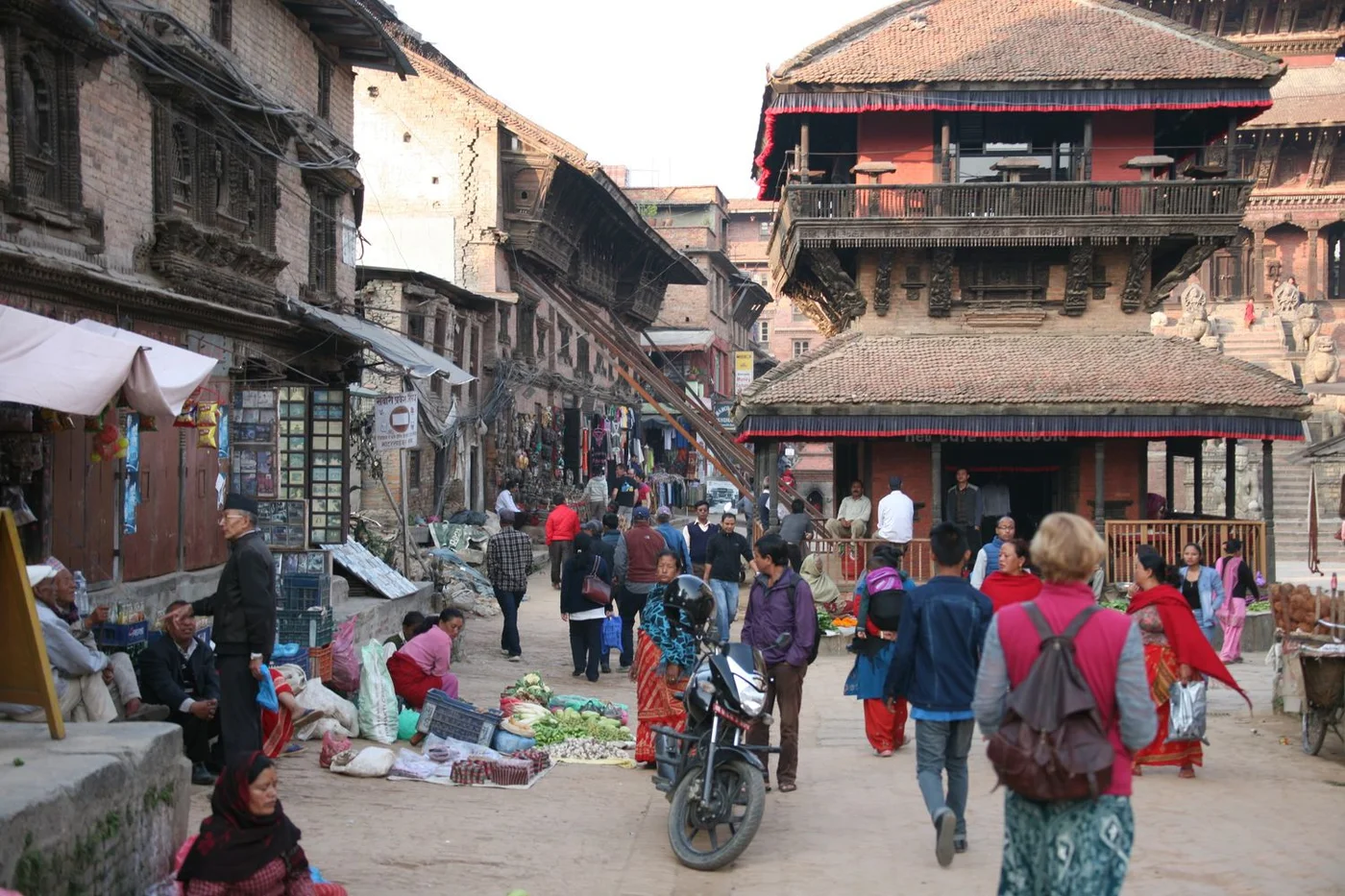
This is far from the first time Nepal has lived through something like this: natural disasters happen there regularly. Most often these are floods, mudflows and landslides caused by seasonal rains and melting glaciers. The country, 80% of which is mountains, is constantly shaken: minor tremors are commonplace, and every few decades major ones occur, with grave consequences, as in 2015. Almost 9000 people were victims of that earthquake, and tens of thousands of homes were reduced to ruins. The roads in the affected areas were never fully restored, which is not surprising for a poor country.
To rebuild destroyed bridges and highways and to protect them from landslides and other cataclysms takes enormous resources, which Nepal simply does not have. The authorities throw all their efforts into maintaining safety on the most popular routes, such as the Annapurna Circuit or the trek to Everest Base Camp. These are what bring the country its main tourism income. The routes to the border with Tibet, from where people travel to Kailash, run through hard-to-reach high mountains. Travelling there is a lottery: the routes are difficult, nature constantly tests them, and there is not enough money for endless repairs.
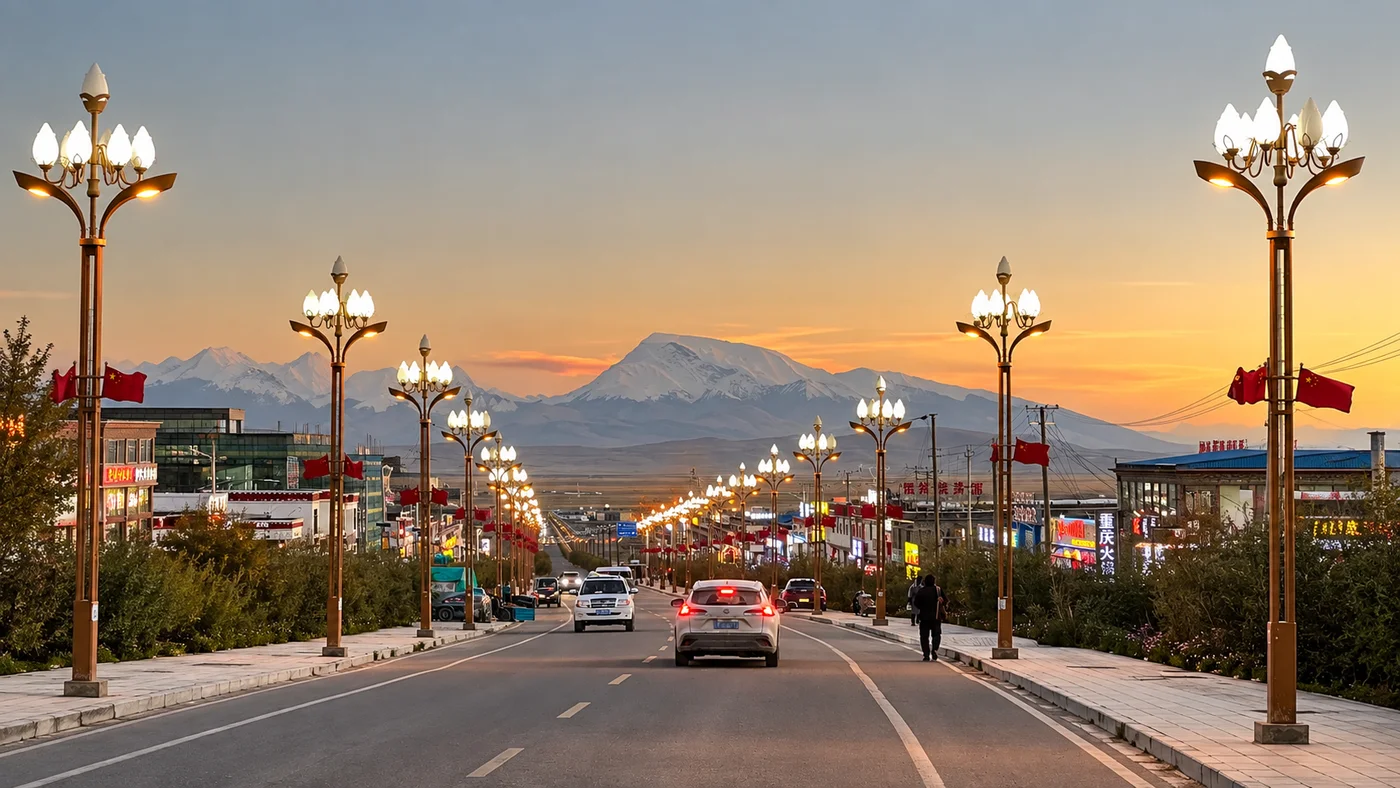
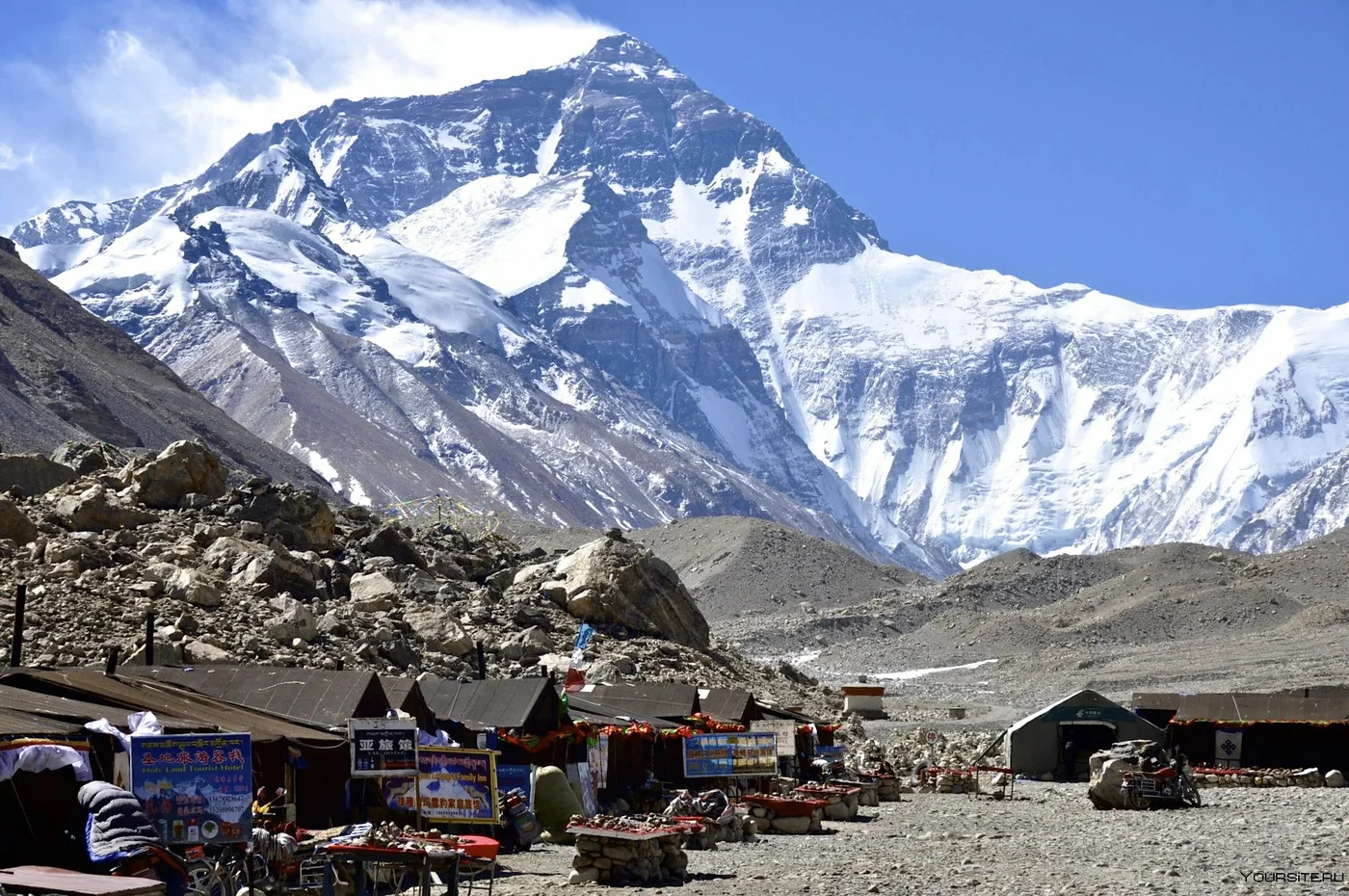
China is a different matter altogether. Bad weather, rockfalls and other disasters happen here too, but the terrain of the Tibetan Plateau is gentler. And of course Nepal cannot keep up with the Celestial Empire in scale and capability. The state invests trillions in infrastructure, building tunnels and hundreds of kilometres of perfect highways at altitudes where, it would seem, nothing ought to work. Those who crossed the border from Nepal have often described feeling as if they were passing from one world into another. A similar contrast can be seen between the Everest base camps. On the Chinese north side there is smooth asphalt almost to the very foot of the mountain and a new tourist complex with everything needed for comfort. On the Nepalese south side it is as before: tents on bare rocks.
Acclimatisation
Another key point is the gain in altitude during the journey. How a person feels during the kora itself depends on it directly. The Nepalese route is often harsher in this respect. When you are taken from Kathmandu (1400 metres above sea level) by helicopter or other transport, you find yourself high in the mountains too quickly. If you are not used to it, few people avoid altitude sickness with everything that comes with it: shortness of breath, headaches and bouts of nausea. There is a risk of dropping out without ever seeing Kailash.
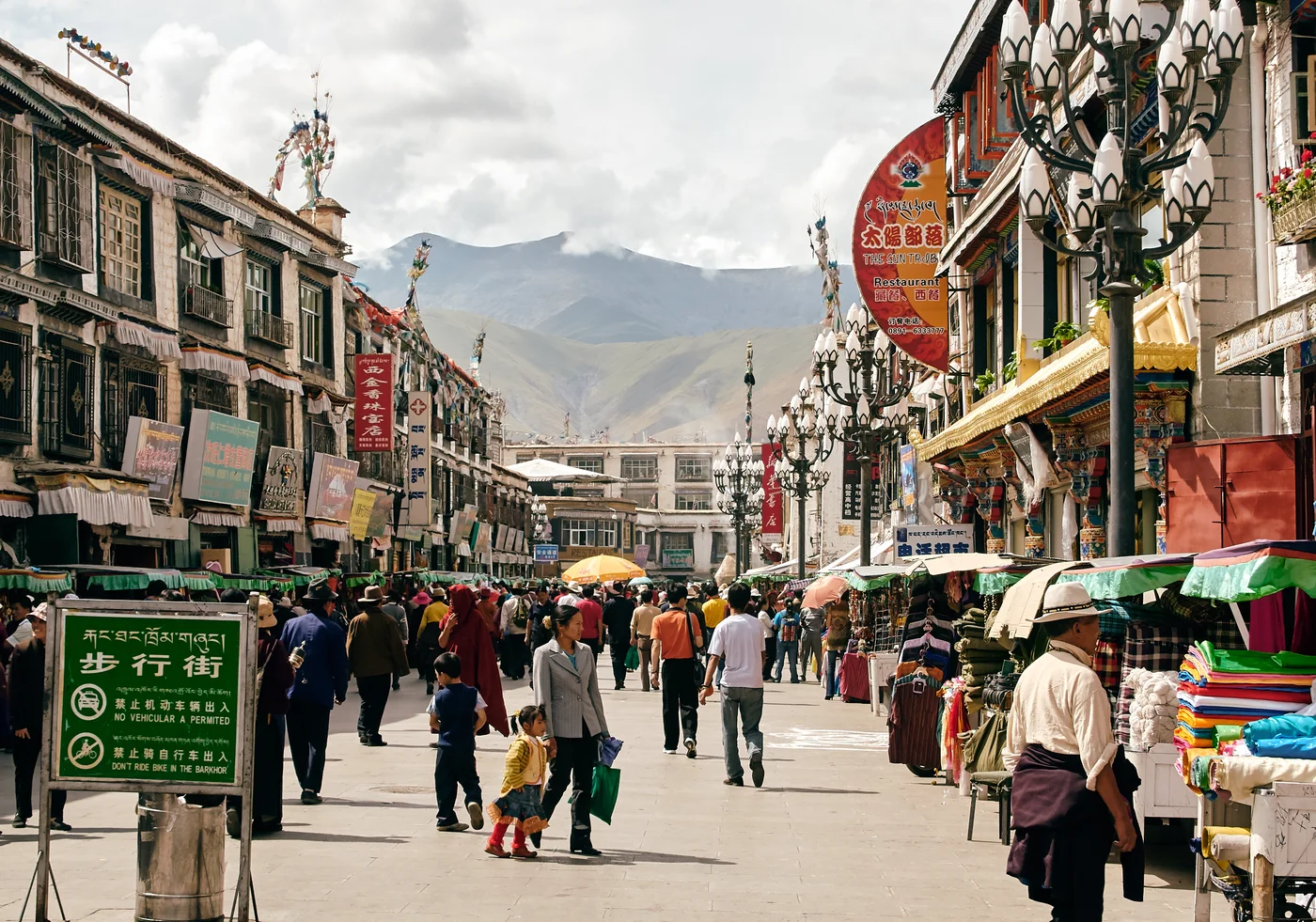
From the Chinese side the journey usually begins in Lhasa (3650 metres), where the group spends at least three days. In that time you manage to get to know the city at an unhurried pace and gradually get used to the new conditions, and then you go further and higher. You reach the starting point of the kora in the village of Darchen prepared, so the Drolma La pass, the hardest stretch, is noticeably easier.
The trip programme
The difference between the routes also lies in what you get to see on each. From Kathmandu people usually go straight to the place of pilgrimage, bypassing Lhasa. This is sometimes done for financial reasons: the trip turns out shorter, and accommodation, food and the services of Sherpa guides in Nepal are traditionally cheaper than in China.
But the proverb is right that the miser pays twice. In this option, not only the "golden triangle" of Tibet, the Potala Palace and the monasteries of Lhasa are left out, but also the North Face of Everest. If you remember how much more pleasant and safer it is to travel via China, the choice in favour of Kathmandu stops looking advantageous.
Never skimp on safety
In the mountains the pursuit of cheapness often backfires. An attempt to save money or time on the Nepalese route can easily end in a ruined tour because of yet another rockfall in a gorge, a bout of altitude sickness or something more serious.
Yes, travelling from Lhasa costs more and takes more days. But for your money you get predictability: calm adjustment to altitude, comfort and smooth asphalt on the road. On a journey like the kora around Kailash, safety and confidence matter far more than a discount.
We will find a route for you
Tell us what interests you — and the destination expert will get in touch, answer your questions about altitude, timing and preparation, and suggest a suitable programme. The consultation is free and commits you to nothing.