

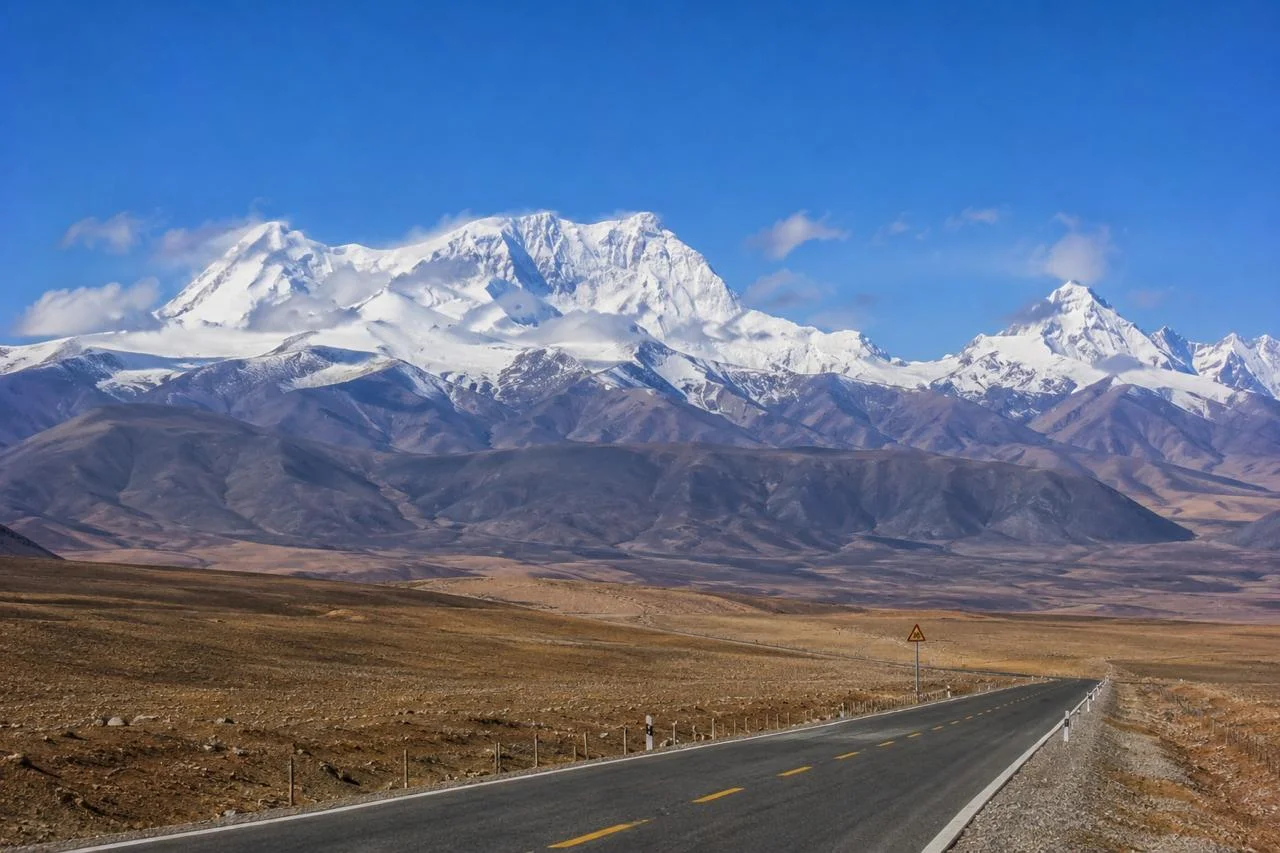
Everest Base Camp in Tibet: To the Roof of the World by Bus
How to see Mount Everest without a multi-day trek: paved roads through Tibet, comfort at an altitude of 5,000+ meters, Rongbuk Monastery, and the world’s highest post office.
Why Tibet Is Better Than Nepal: A Comparison of Routes
Tibetan Base Camp: Comfort at 5,000 Meters
What to See: The Highest-Altitude Post Office and Rongbuk Monastery
When you hear the word “Everest,” your mind usually pictures climbers with weather-beaten faces and heavy backpacks. It seems that seeing the highest mountain on the planet is only possible by pushing yourself to the limit, enduring weeks of grueling hikes and cold nights. That used to be the case, but today, reaching the roof of the world is well within the reach of ordinary travelers. No athletic feats are required—all you need to do is take a tour to Everest Base Camp from the Tibetan side.
Just ten to fifteen years ago, this spot served as a base for mountaineering groups and was not really suitable for people without special training. However, the Chinese authorities have transformed the site, located not far from the famous Rongbuk Buddhist monastery, into a modern tourist complex, building an almost fantastical infrastructure there.
Why Tibet Is Better Than Nepal: A Comparison of Routes
Along a paved winding road that climbs to an altitude of over 5,000 meters, buses bring people from all corners of the world practically to the foot of the northern slope of Jomolungma—as the Tibetans themselves call the mountain. The drive from Shigatse, the nearest major city, takes about six hours. Along the way, there are frequent overlooks, information signs, and small hotels. A special permit is required to enter the National Nature Reserve, where Everest Base Camp is located. Accredited companies handle the paperwork for organized groups, and “Tibet Expert” takes care of all these formalities.
By comparison, to reach South Base Camp from the Nepalese side, you first need to fly from the capital, Kathmandu, to Lukla—the most dangerous mountain airport at an altitude of 2,860 meters, known for its short runway. Then comes a 50–65-kilometer trek to Everest, which takes two weeks or more, depending on the route and pace. Moreover, in Nepal, the peak is obscured by neighboring mountain ranges, so to see it, you have to climb to the Kala Patthar viewpoint at an altitude of 5,545 meters. You can’t do this without good health, stamina, and serious physical conditioning.
Tibetan Base Camp: Comfort at 5,000 Meters
The best views and a smooth road aren’t the only highlights of the Everest Base Camp in Tibet. Inside the camp, there are dining tents, tea houses, grocery stores, and souvenir shops. Travelers stay in heated guest tents. Inside, they resemble cozy hostels with a common room and separate bedrooms for two or more people. Each one is equipped with full-size beds and humidifiers.
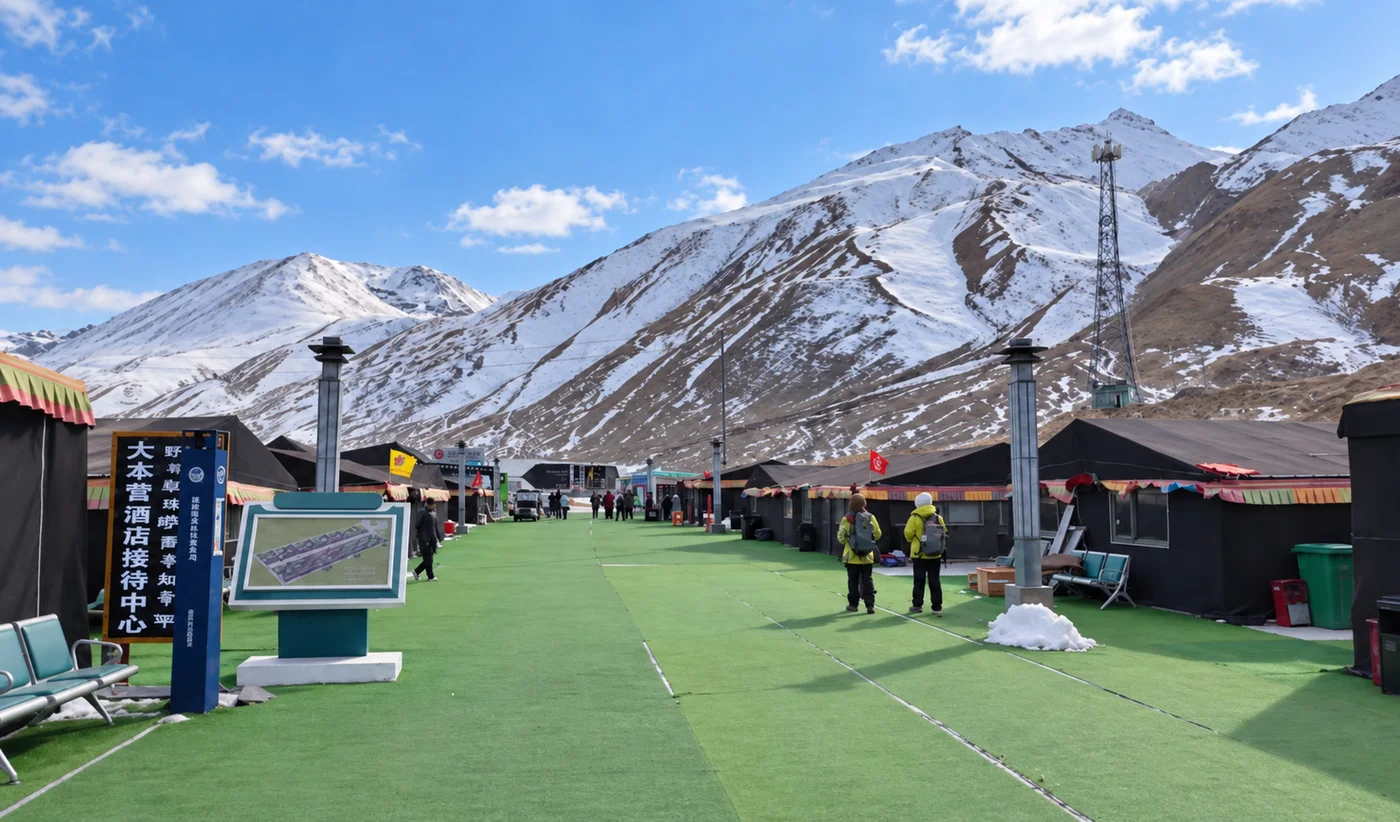
For those who have difficulty breathing due to the altitude, the camp is equipped with oxygen dispensers. You can also rent special compact oxygen backpacks. A medical station stocked with essential medications and eco-friendly composting toilets are available to tourists. Despite the harsh climate and the camp’s remote location, it is not cut off from civilization—5G connectivity, the internet, and electronic payment systems all work reliably here.
In addition to the recently renovated tent camp, some tourists stay in hotels. The closest one—located directly across from Rongbuk Monastery—is called the Rongbuk Hotel. A room with heating, a bathroom, and oxygen supply starts at $150. As an alternative, you can head down from Everest Base Camp to the village of Tashizong or to Tingri. This option is also more expensive (prices vary; in the best hotels, they can reach $100 per night, compared to $35–40 for tent accommodations), but the comfort is worth it. In addition, because of the slight descent for the night, people are less likely to feel unwell due to altitude sickness.
What to See: The Highest-Altitude Post Office and Rongbuk Monastery
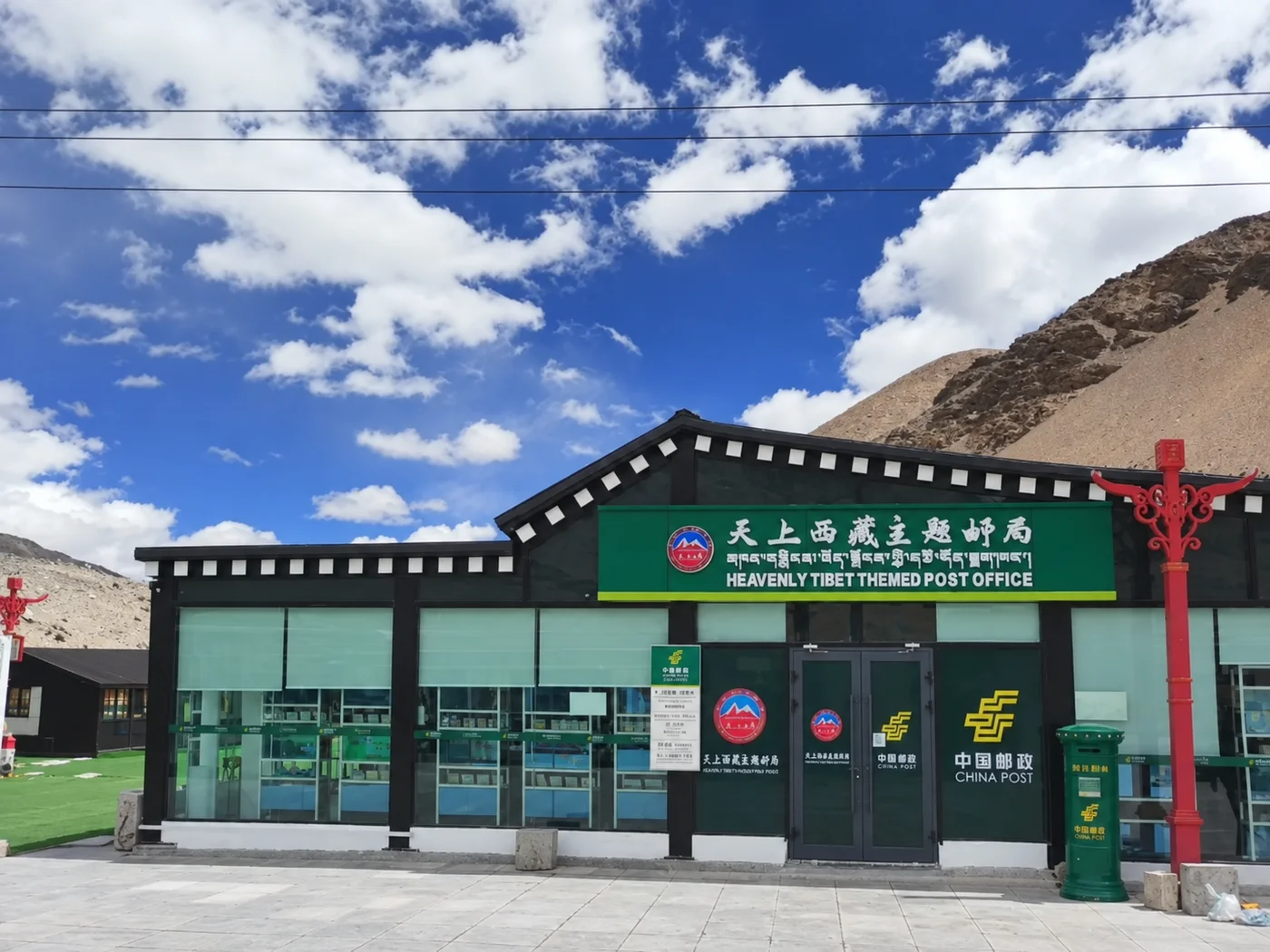
One of the popular activities near Everest is visiting the post office, which is listed in the Guinness Book of World Records for being located at an altitude of 5,200 meters. At the post office, they stamp your passport and a postcard featuring the legendary peak—which you can buy right there for $2—with a commemorative stamp. You can sign it and send it home to your loved ones.
Another major attraction is Rongbuk Monastery, the highest-altitude monastery. Its white walls and red trim seem to be carved right into the mountainside. For centuries, monks have recited mantras toward Mount Everest, and many expeditions have come here specifically to seek a blessing before attempting to climb the peak.
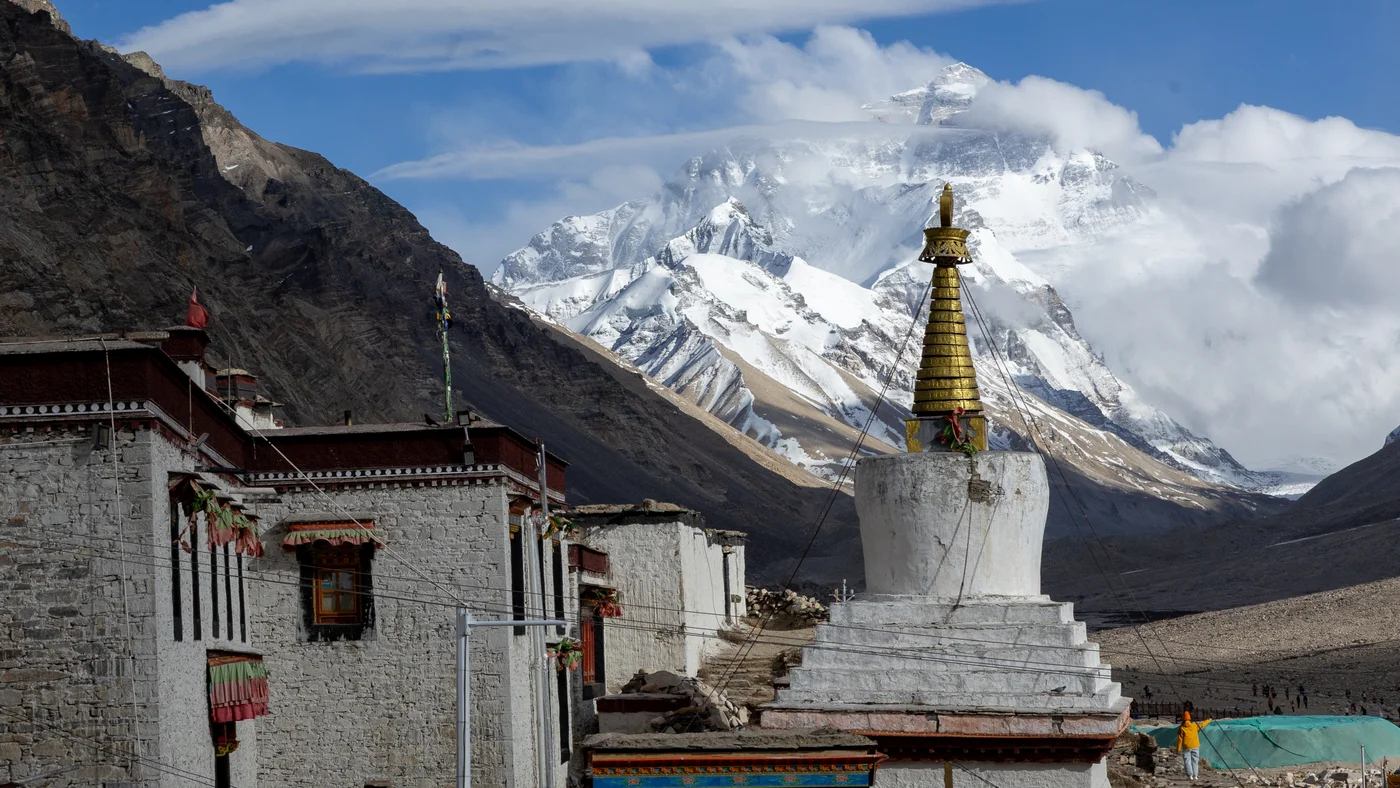
And, of course, everyone takes home photos and videos of the best panoramic views of Everest’s north face. You can take them in special photo zones or right from the warmth and comfort of the modern tourist pavilion. Sitting at a table inside by the huge window, you can grab a bite to eat and relax.
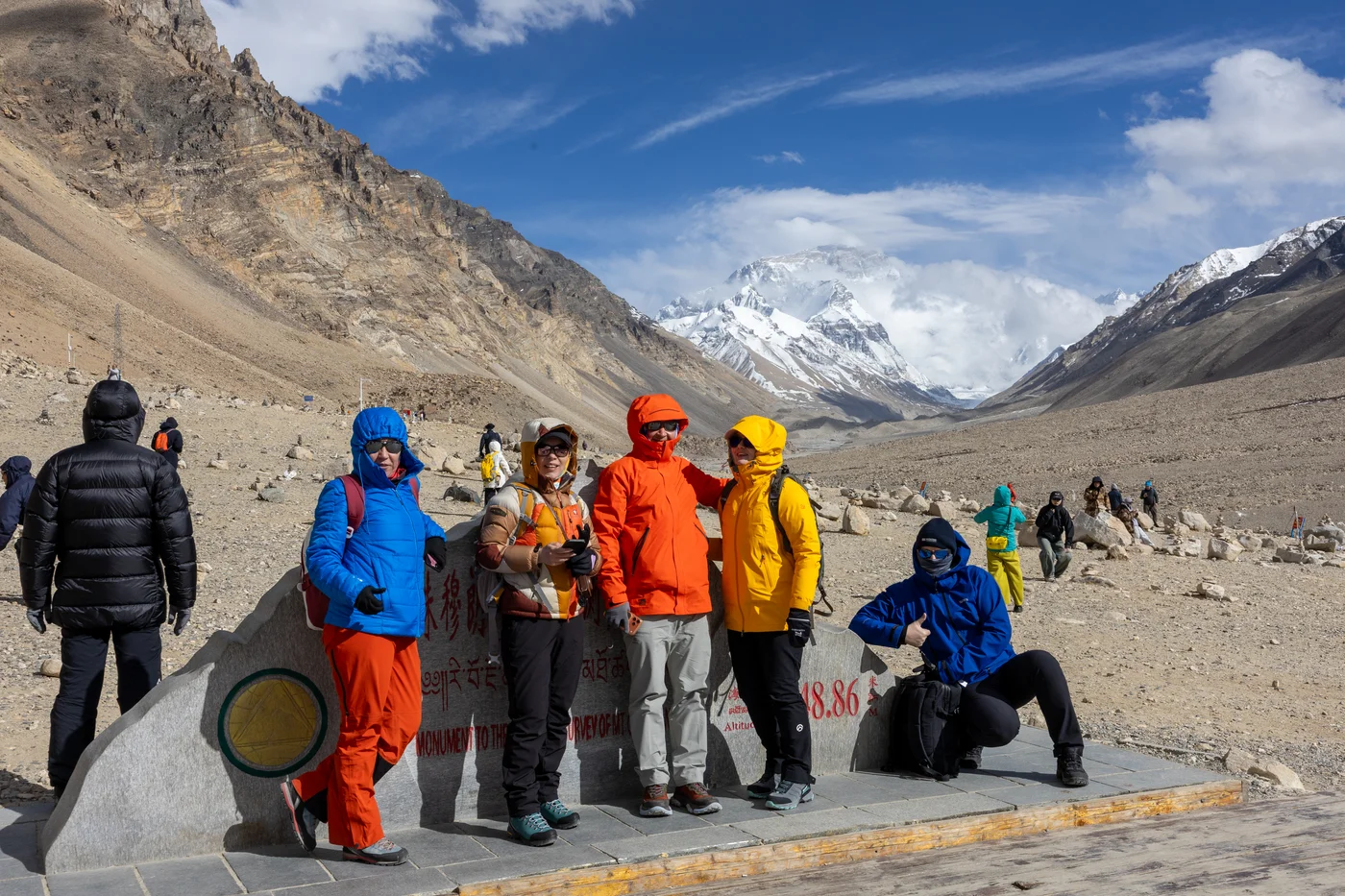
Some people might not be sold on this kind of trip: they might say, “What kind of trekking is this, when you’re just driven right up to Everest without any hardship or difficulty?” But it was created for those who don’t want to conquer peaks or test their limits, but simply dream of seeing the world’s highest mountain with their own eyes, feeling its immense, living essence, and recharging their energy. As an added bonus, the trip usually departs from Lhasa, where tourists have a few days to acclimate to the high altitude and get to know the Tibetan capital.
Due to environmental concerns on Everest, China has restricted climbing quotas from the Tibetan side in recent years. It is possible to obtain a permit, but it requires a lengthy process of coordination and approval. For this reason, the main flow of climbers has shifted to Nepal. This is also where extreme sports enthusiasts and well-trained individuals begin their treks, viewing the challenges on the way to the planet’s highest point as an essential part of the experience.
As they say, to each his own, but smooth asphalt, 5G connectivity, and comfortable accommodations don't detract from the grandeur of the summit itself. China has made it accessible to ordinary travelers, not just athletes, so why not take advantage of it?
We will find the right route for you
Tell us what interests you, and a destination expert will get in touch, answer your questions about altitude, dates and preparation, and suggest a suitable programme. The consultation is free and commits you to nothing.
Request received
A destination expert will get in touch within one business day.