

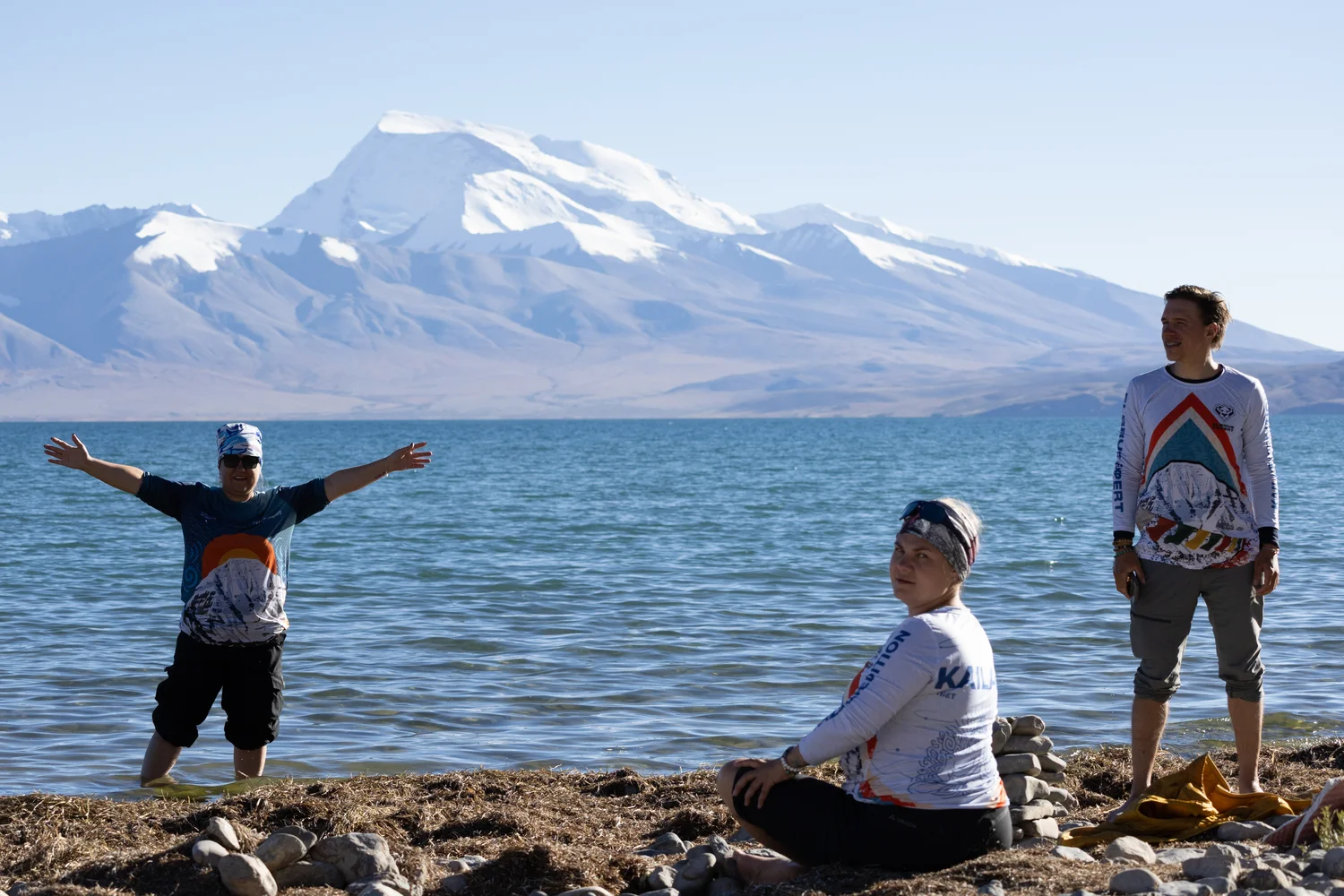
Manasarovar — the lake of "living water"
In Tibet it is called the sacred mirror of Kailash, the mother of the world's rivers and a source of living energy. Manasarovar is a lake that has drawn pilgrims and travellers for thousands of years. And here is why.
What is said about the sacred lake
Manasarovar in numbers and facts
Chiu Monastery and the hot springs
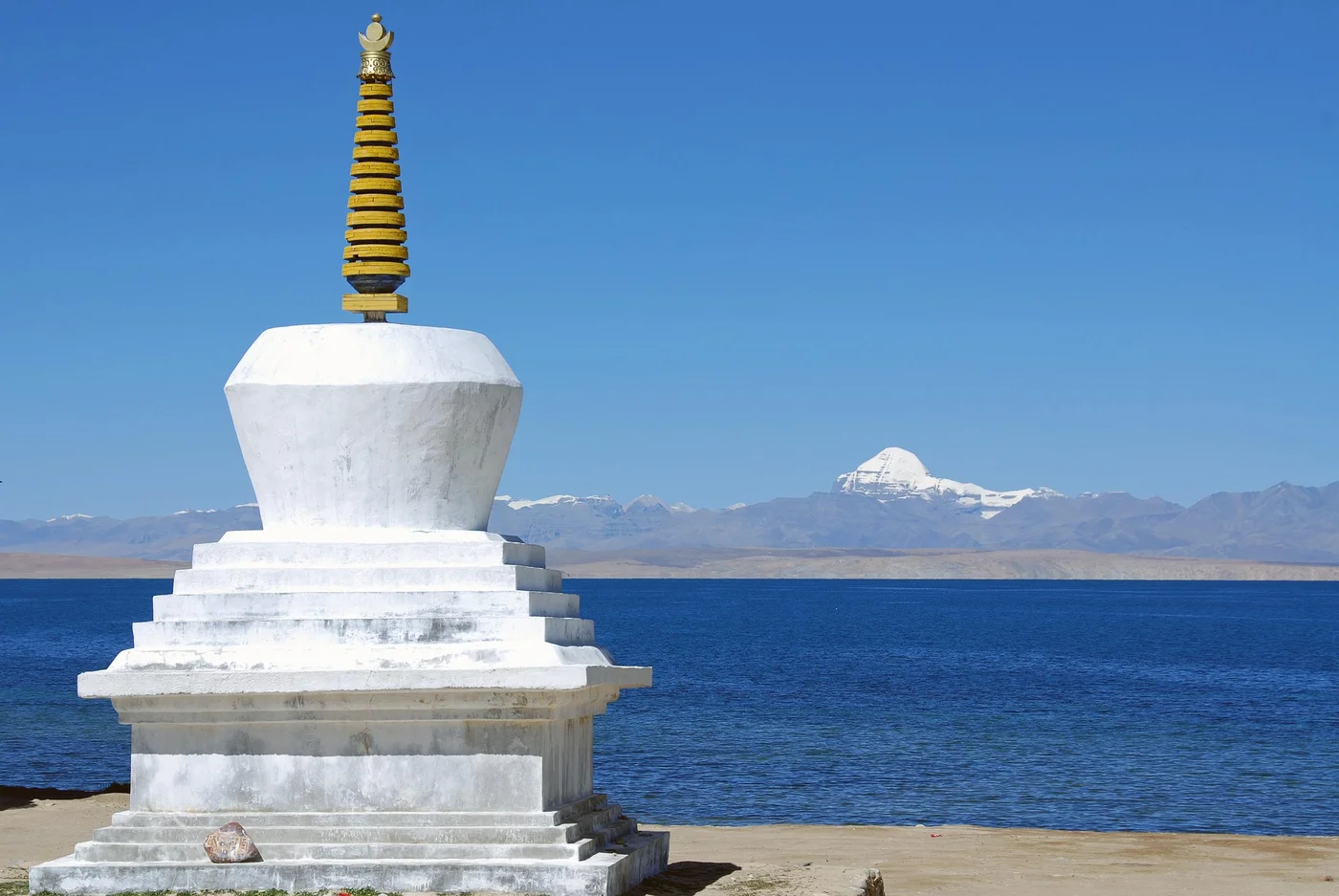
In the middle of the Tibetan highlands, at an altitude of 4,590 metres, lies Lake Manasarovar. Travellers and pilgrims come here before the kora around Kailash or right after it. The village of Darchen, where the ritual circuit begins, is very close — only half an hour away by car.
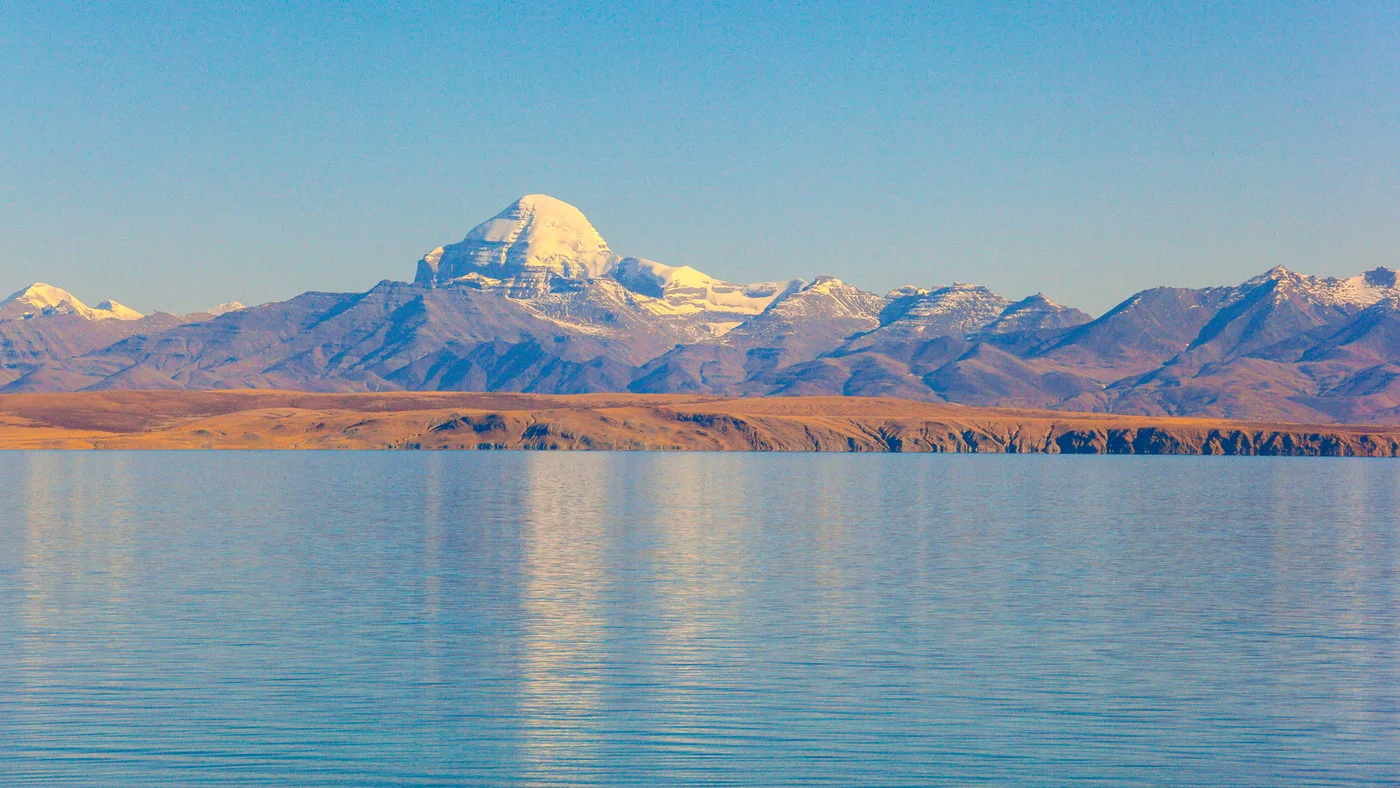
For those who are only heading towards the sacred mountain, this place is a kind of mental transition, a preparation for the pilgrimage ahead. In four traditions — Buddhism, Hinduism, Jainism and the Bon religion — it is believed that one cannot go to Kailash straight away. First you need to attune yourself to this path and purify body and thoughts.
What is said about the sacred lake
The lake seems to set up an invisible checkpoint, making everyone stop at the water, which changes shades from deep leaden grey to piercing turquoise. And after the kora, Manasarovar is the best place to relax and digest what you have seen over three days of trekking. Here the bustle recedes, time seems to stand still, and the ancient legends of the lake begin to feel real.
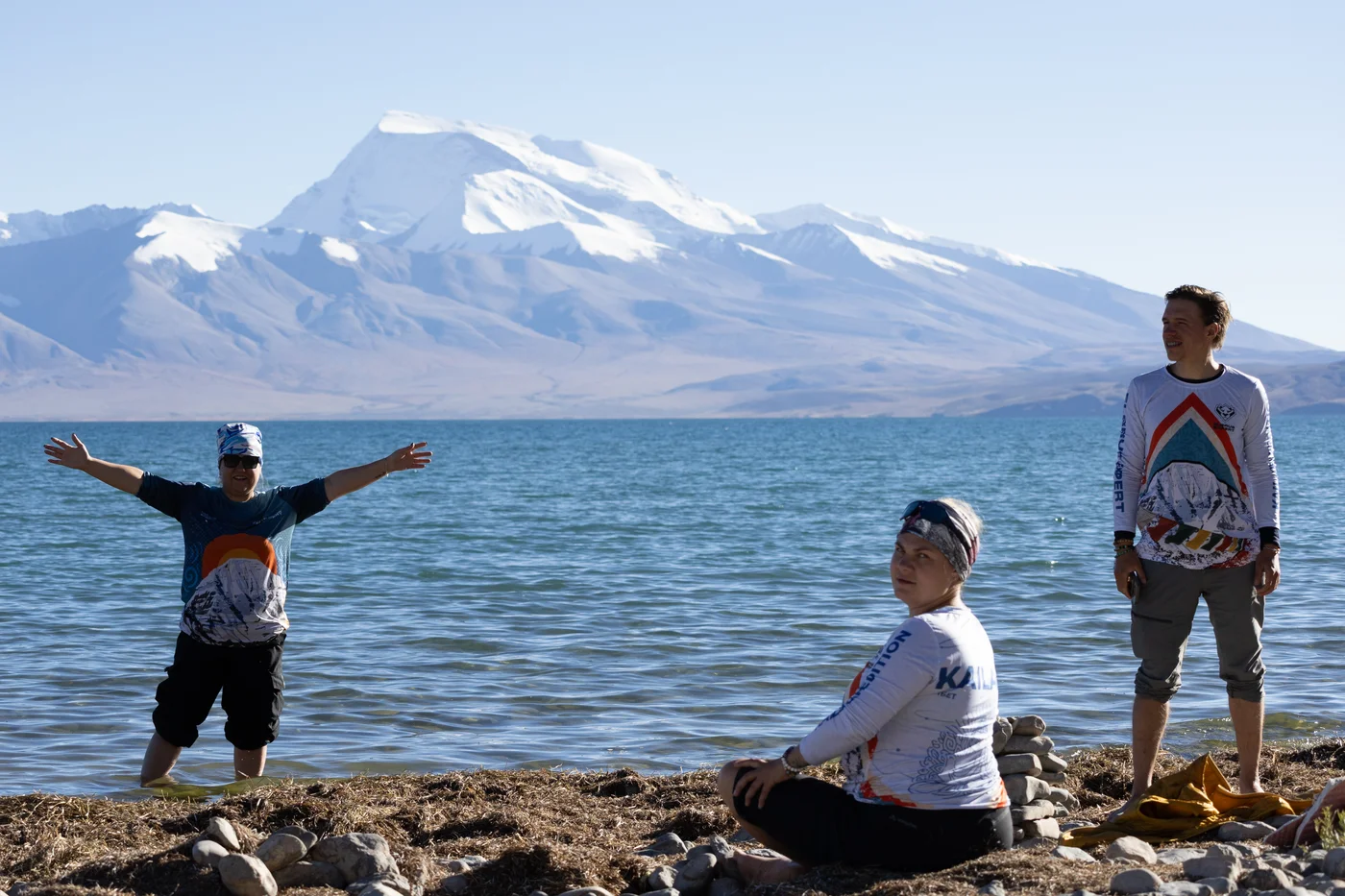
Hindus believe that the god Brahma created Manasarovar by the power of thought. This is reflected in its Sanskrit name: manas means "consciousness" and sarovara means "lake". For Buddhists it is a symbol of absolute purity: according to tradition, Buddha's mother, Queen Maya, was bathed in Manasarovar before the birth of her son. Guides also say that deities secretly descend to the lake from Kailash, and if you arrive before dawn, you can hear a soft splash from the shore, made by their steps. Believers hold that the lake's water has a life-giving power, cleanses karma, washes away the sins of this life and past ones, and can even cure illnesses.
Manasarovar in numbers and facts
If we leave the mysticism aside, the earthly nature of Manasarovar is no less impressive. It is one of the highest freshwater lakes in the world. At its lowest point the lakebed drops 82 metres, and the shoreline stretches for 83 kilometres. The lake is so clear that visibility through the water reaches 14 metres. When there is no wind, every pebble can be seen in the shallows near the shore.
The great rivers of Asia — the Indus, the Brahmaputra, the Sutlej and the Karnali, a tributary of the Ganges — rise in the area of this lake. For this reason the lake is sometimes respectfully called the "mother of the world's rivers". Manasarovar is fed by the surrounding glaciers, so the water is very cold and even at the height of summer warms only to +4–8 °C at depth (slightly warmer near the shore).
Casting a fishing line or taking a dip here is not possible: it is considered a desecration of a holy place and is strictly forbidden by the Chinese authorities to protect the fragile ecology. Instead of swimming, pilgrims collect water and perform ablutions on the shore.
Yet the lake is full of life. Fish are not afraid of people and swim right up to the shore, because the native Tibetans neither catch nor eat them, owing to their beliefs. Birds, on the other hand, find easy prey; they nest on the shores by the tens of thousands. Among them are gulls, bright orange ruddy shelducks, graceful snow-white swans and the famous bar-headed geese, capable of flying over the Himalayas at an altitude of nine kilometres.
Chiu Monastery and the hot springs
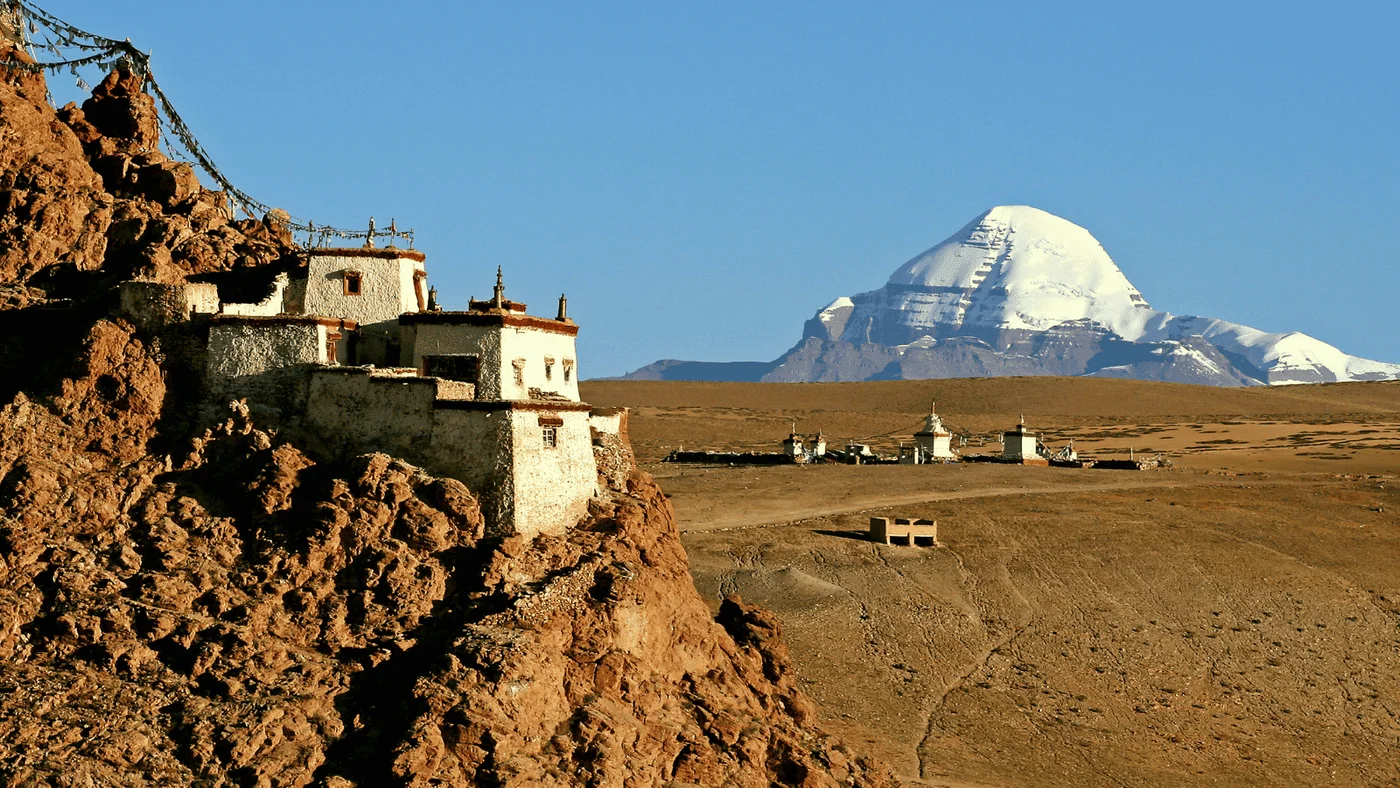
The best panorama of the lake opens from Chiu Monastery. It seems to grow out of a steep cliff above the north-western shore, almost merging with it. The monastery was built around a cave where, according to tradition, Guru Padmasambhava meditated.
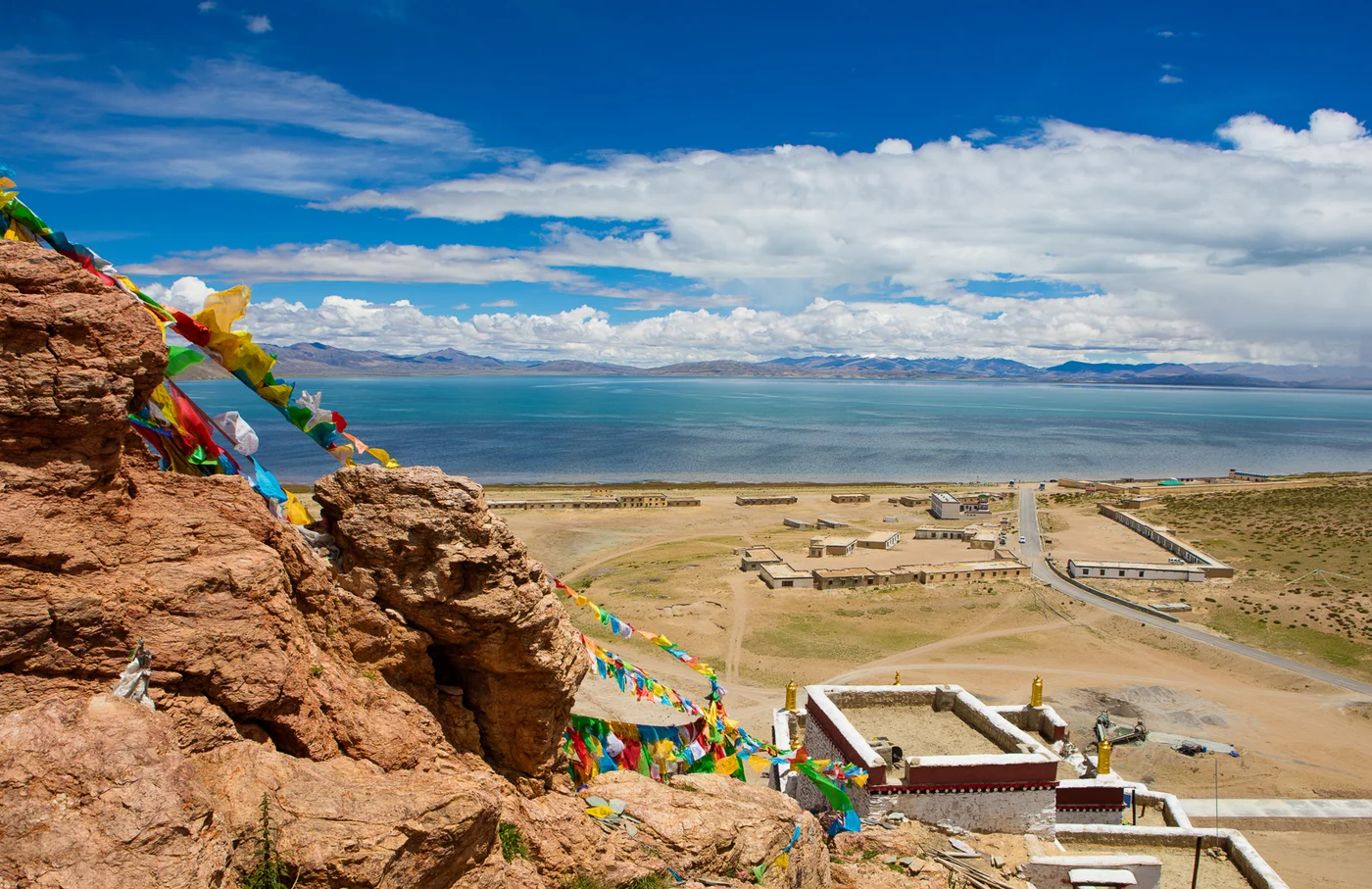
Near Manasarovar, at the foot of the monastery, there are thermal springs. For a small fee you can take a hot bath in natural mineral water at a temperature of about +40 °C. After the kora around Kailash, such a "bathhouse" is a real luxury for aching legs and tired muscles.
Rakshastal: the antipode lake
A couple of kilometres away, across a narrow strip of land, lies the neighbouring salt lake, Rakshastal. If the round Manasarovar symbolises light and life, its antipode, crescent-shaped, is associated with dark forces.
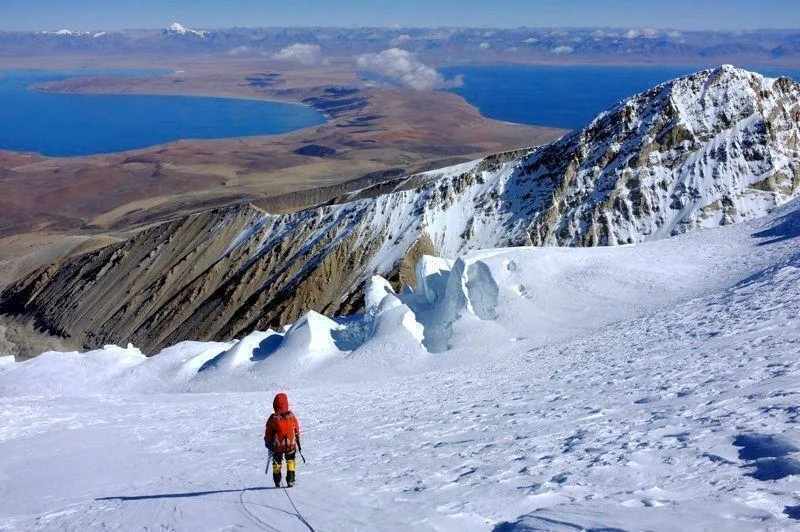
The name Rakshastal translates from Sanskrit as "lake of demons". Because of its chemical composition the water cannot be drunk, and no fish live in it. According to one legend, Rakshastal was created by the ten-headed demon Ravana. To win Shiva's favour and obtain superpowers, he sacrificed his heads, cutting them off one by one. The bitter tears and sweat he shed eventually filled the basin of the lake.
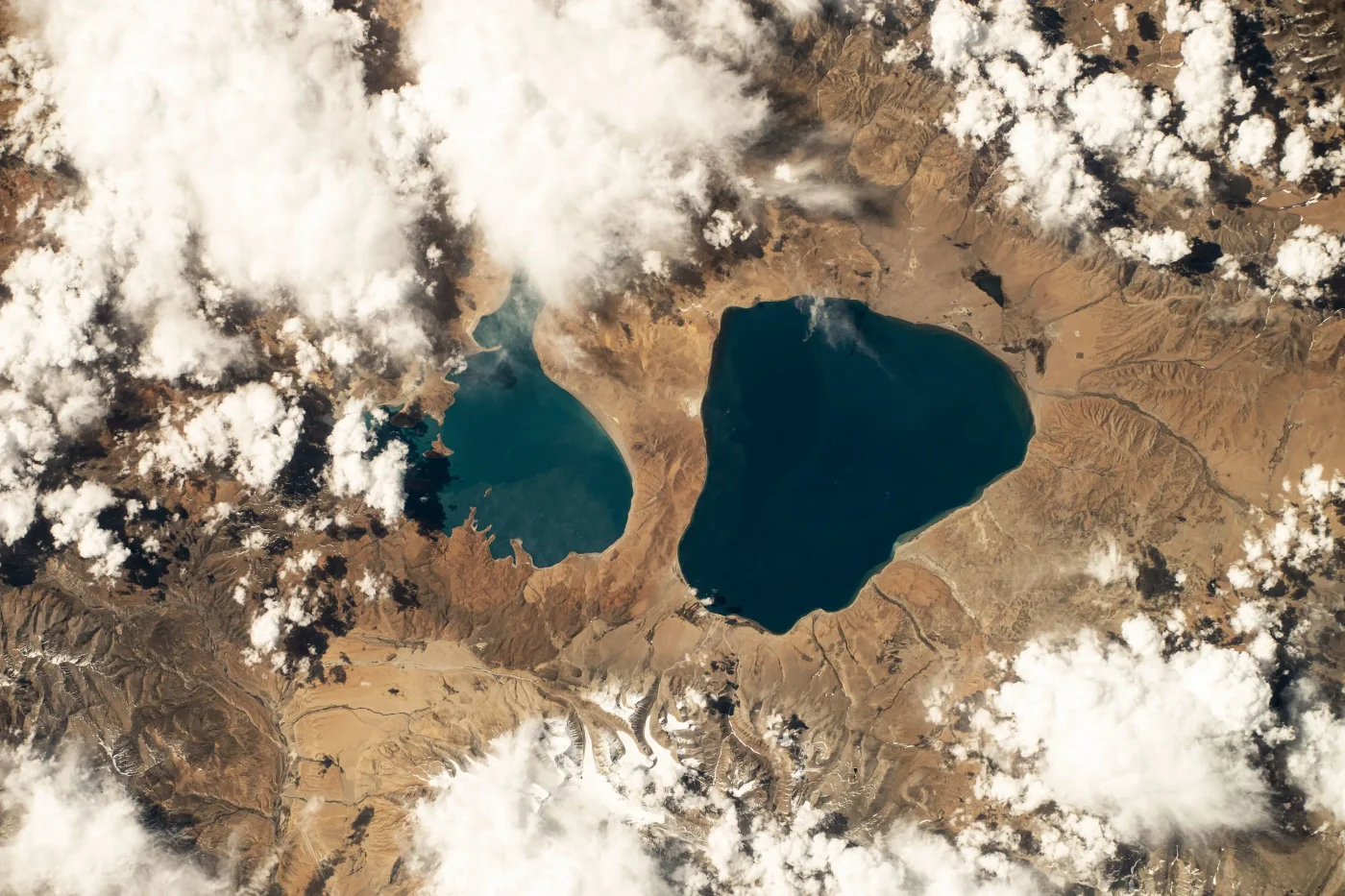
In myths Rakshastal and Manasarovar are set against each other, but nature has linked them physically, as if to remind us: life is full of contrasts, and they complement each other. When in summer the glaciers melt and the water level in Manasarovar rises, the excess flows through the natural channel of Ganga Chu into the salty Rakshastal. Local Buddhists consider this a good omen and believe that pure fresh water cleanses the dark, "demonic" lake. When you see this connection with your own eyes, you understand as never before: opposites always exist side by side.
We will find a route for you
Tell us what interests you — and the destination expert will get in touch, answer your questions about altitude, timing and preparation, and suggest a suitable programme. The consultation is free and commits you to nothing.