

Lhasa in Three Days: Top 8 Must-See Places
What to See in Lhasa: the Potala Palace, Jokhang Temple, Barkhor Street, Sera Monastery, and Norbulingka Gardens. Ideas for walks and exploring Tibetan culture.
Potala Palace
Lhasa Central Post Office: A Greeting from Home by Mail
The Heart of Faith: Jokhang Monastery
Around the Shrine: Barkor Street
University for the Mind: Sera Monastery
Tibet Museum
The Grace of Norbulingka
Potala Mirror: Zongjiao Lukang Park
Any major trip through Tibet begins in its ancient capital—Lhasa. The city sits at a considerable elevation—3,650 meters above sea level. If you’re not used to it, you’ll immediately feel the lack of oxygen and physical strain, and many people even get teary-eyed from the overwhelming emotions and the realization that their dream has come true.
Experienced guides recommend spending the first two or three days in Lhasa to allow for a gradual acclimatization. The rules are simple: drink plenty of clean water, move slowly, and pay attention to your breathing and how you feel. Your body will adapt gradually, and your heart will begin to work more efficiently as it slowly gets used to the thin air. In this regard, Lhasa acts as a true mountain health resort.
In the capital, stereotypes about the city’s archaic nature and the Middle Ages seemingly frozen in time are immediately dispelled. Lhasa impresses with its comfort. It seems that here they have struck an amazing balance between the modern, civilized world and the vast spiritual tradition in which Tibet has lived for centuries.
The city has many hotels, including first-class ones such as the luxurious Shangri-La Lhasa, which features oxygen supply and air humidification in the guest rooms. To help guests adjust more easily to the high altitude during their first few hours, the hotel also has a special oxygen room. The spa area and massages with herbal oils will help you relax even further. Once you’ve regained your strength, you can begin exploring Lhasa, whose main landmark—the Potala Palace—is already visible from the hotel windows.
Potala Palace
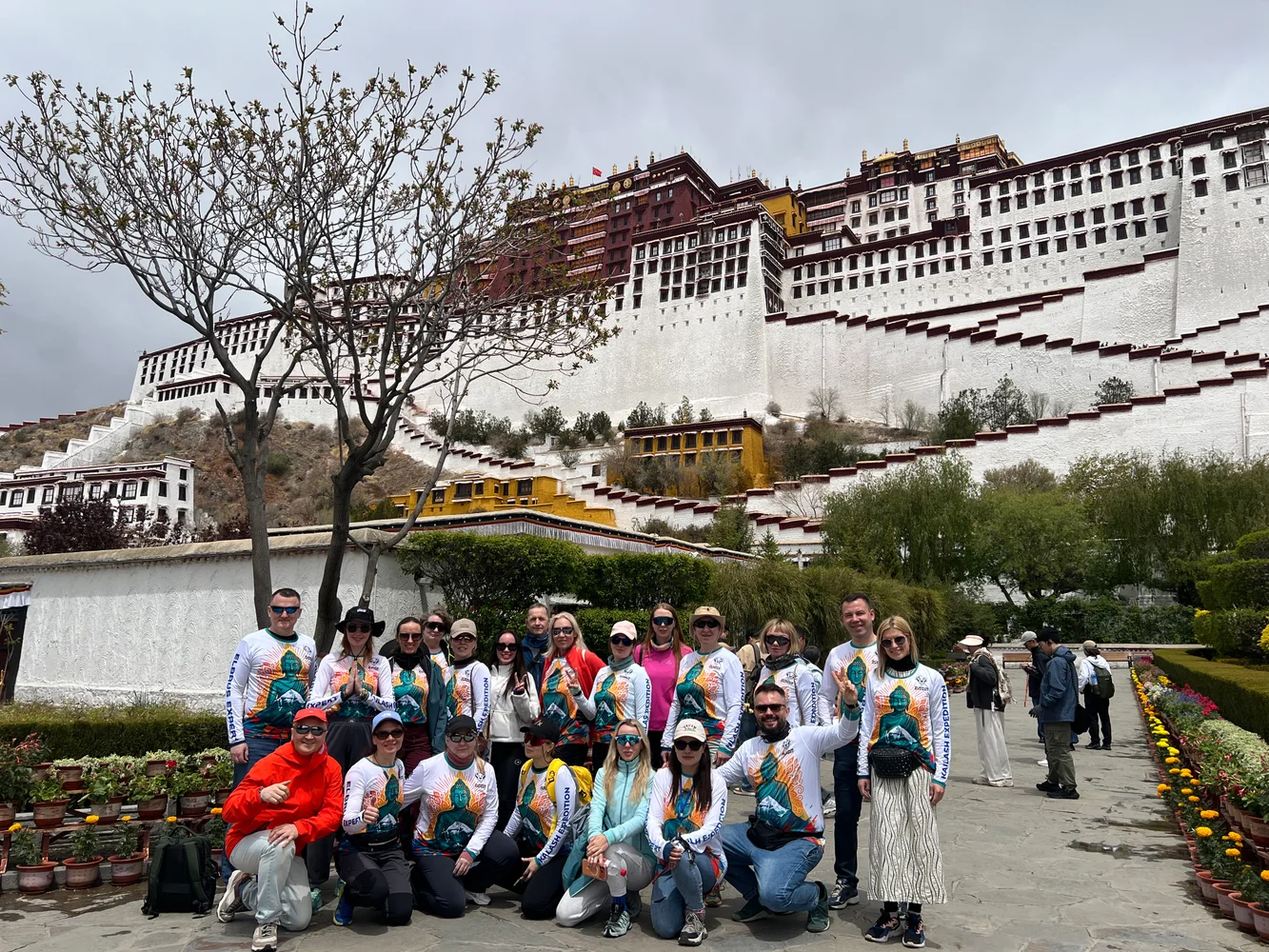
This majestic complex literally towers over Lhasa and, from a distance, resembles a giant ship moored directly to the mountain. Up close, this enormous white-and-red structure comes to life: the eye begins to make out the endless levels, windows, staircases, and flags.
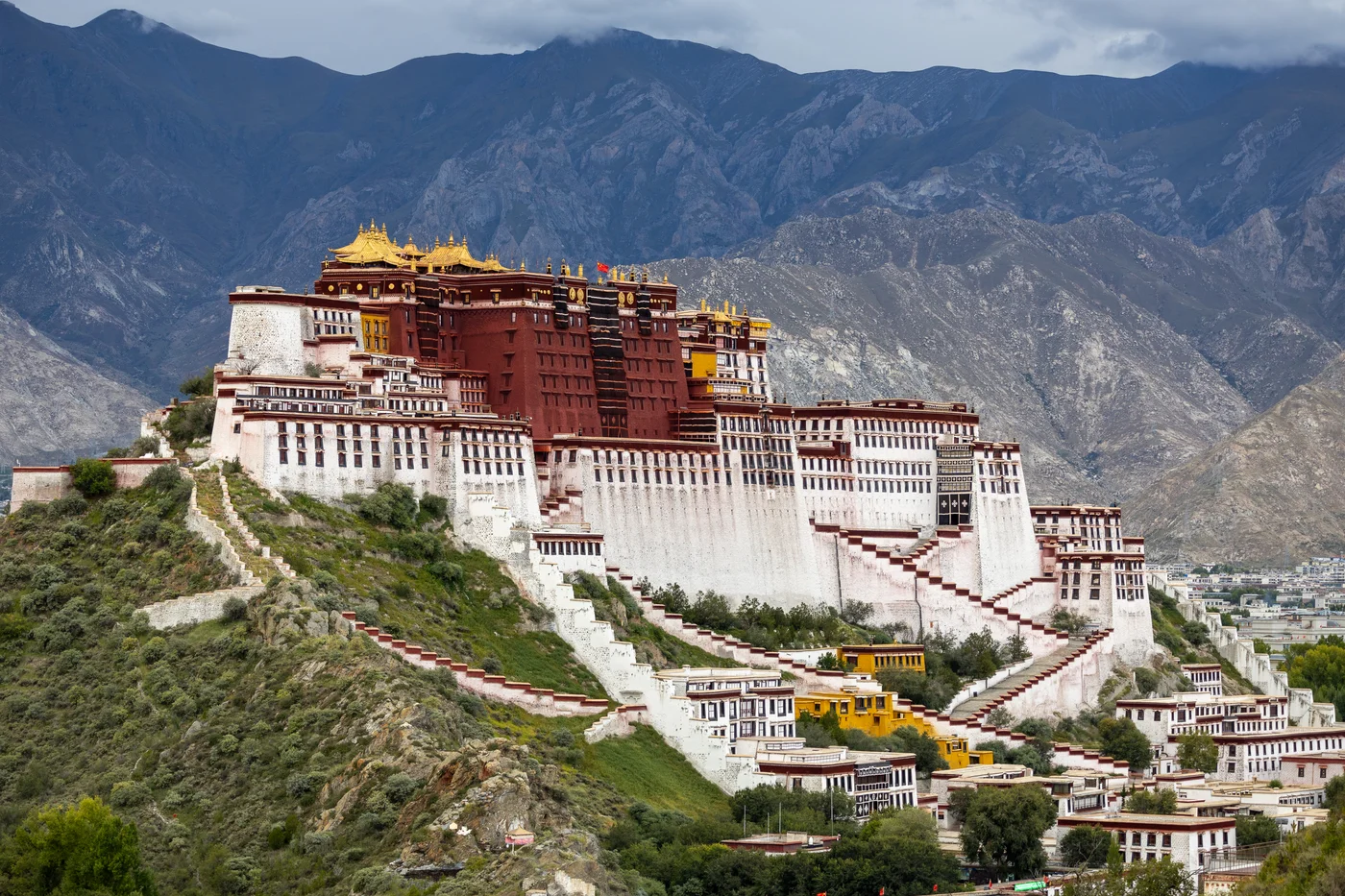
From the outside, the Potala Palace appears to be a monolith, but inside lies a veritable anthill of a city and one of the richest places on the planet. Tons of gold and tens of thousands of precious stones were used to adorn the tombs of the Dalai Lamas and the sacred stupas in its halls. Today, tourists are guided along a clearly marked route that winds through a series of inner courtyards. Each one is like a brief pause between worlds: in one, prayer flags dry on ropes; in another, monks busily carry sacks of barley.
The narrow corridors are thick with the scent of melted yak butter and, it seems, time itself. You can hear tour guides quietly recounting stories of history and politics. But the Potala is more powerful than any words—even during a brief tour, you come to realize that this is not just a museum, but the multi-layered, living memory of an entire people. Upon leaving the palace, you begin to perceive it as a living being, not just a backdrop.
Lhasa Central Post Office: A Greeting from Home by Mail
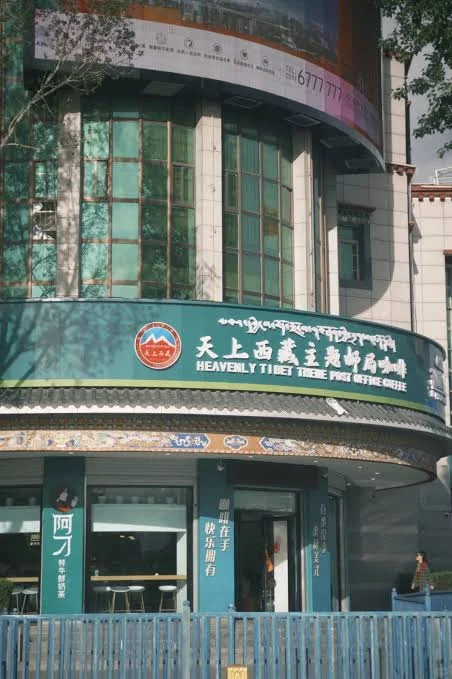
Across the street from the Potala Palace is the Lhasa Main Post Office—a functioning post office and a themed branch for tourists. In its gift shop, you can pick up commemorative stamps or buy postcards featuring views of Tibet, which you can sign right there, have them stamped with the Lhasa postmark, and send home. A museum has been set up in the same hall—a wall displaying unsent letters in which people share their experiences and innermost thoughts. After visiting the post office, it’s nice to relax in the coffee area with its free oxygen bar.
The Heart of Faith: Jokhang Monastery
The Jokhang Monastery is the spiritual heart of Tibet. It was built in the 7th century CE, at the same time that the first Potala Palace was founded, under the same ruler. A deep lake once covered the site of the monastery, but it was deliberately drained to make way for the construction.
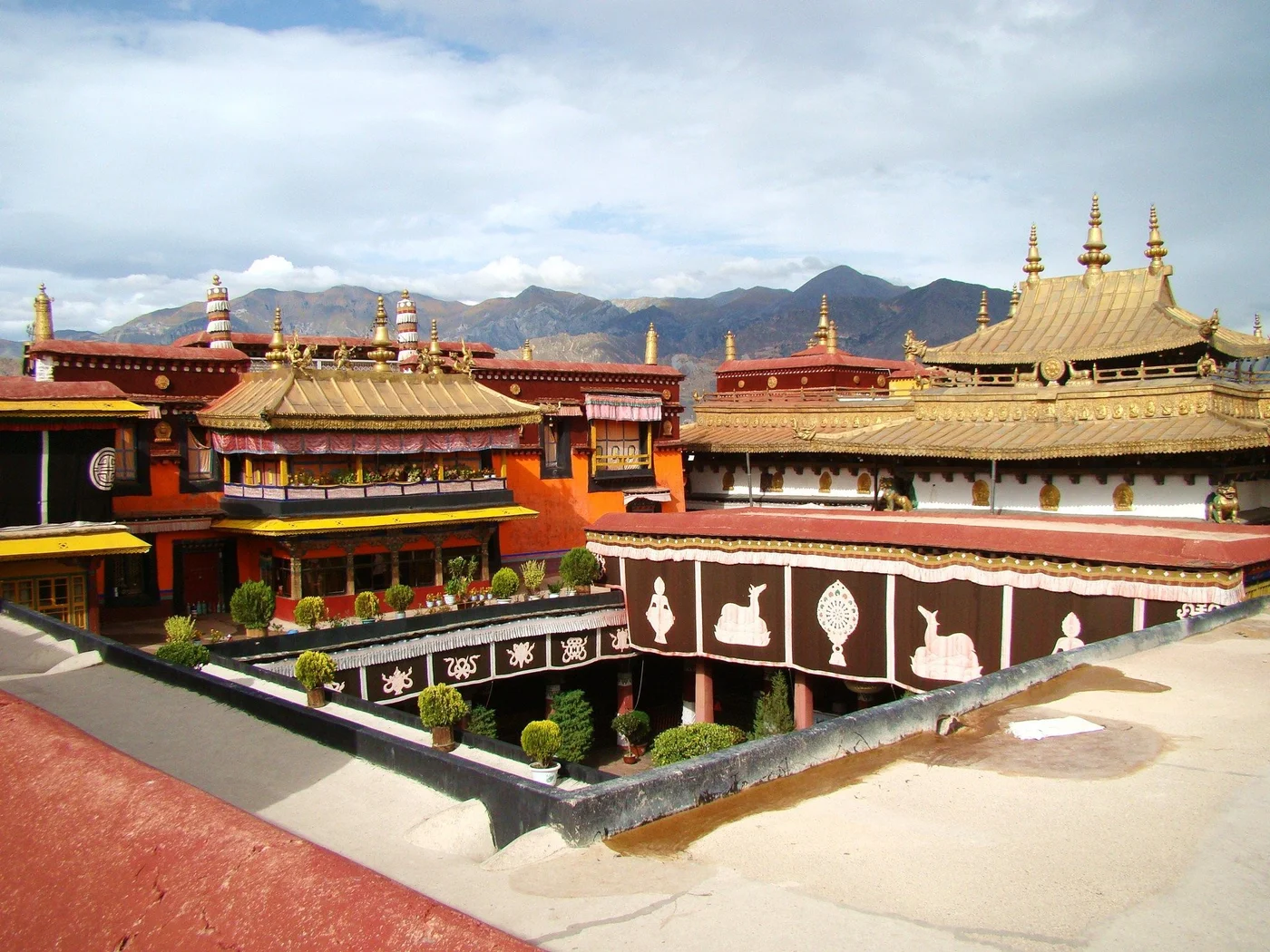
Over the centuries, the monastery has expanded. In the past, more than 1,500 monks gathered under its roof, but today about 300 people live and practice here on a permanent basis. It was within these very walls that the Dalai Lama traditionally administered examinations to Buddhist scholars and determined who would become part of the monastery’s spiritual community.
There are always many worshippers near the entrance, performing their prostrations right on the stone slabs. Inside, in the half-open courtyards, rows of prayer drums line the walls adorned with ancient murals. As they walk by, people spin them with their palms, filling the corridors with a steady, quiet hum.
Around the Shrine: Barkor Street
Barkor Street runs around Jokhang—Lhasa’s oldest neighborhood and main pilgrimage route. Day and night, a dense stream of people flows through here. As you join the crowd, you feel the incredible energy of the place. For believers, walking clockwise around this loop is a daily sacred ritual.
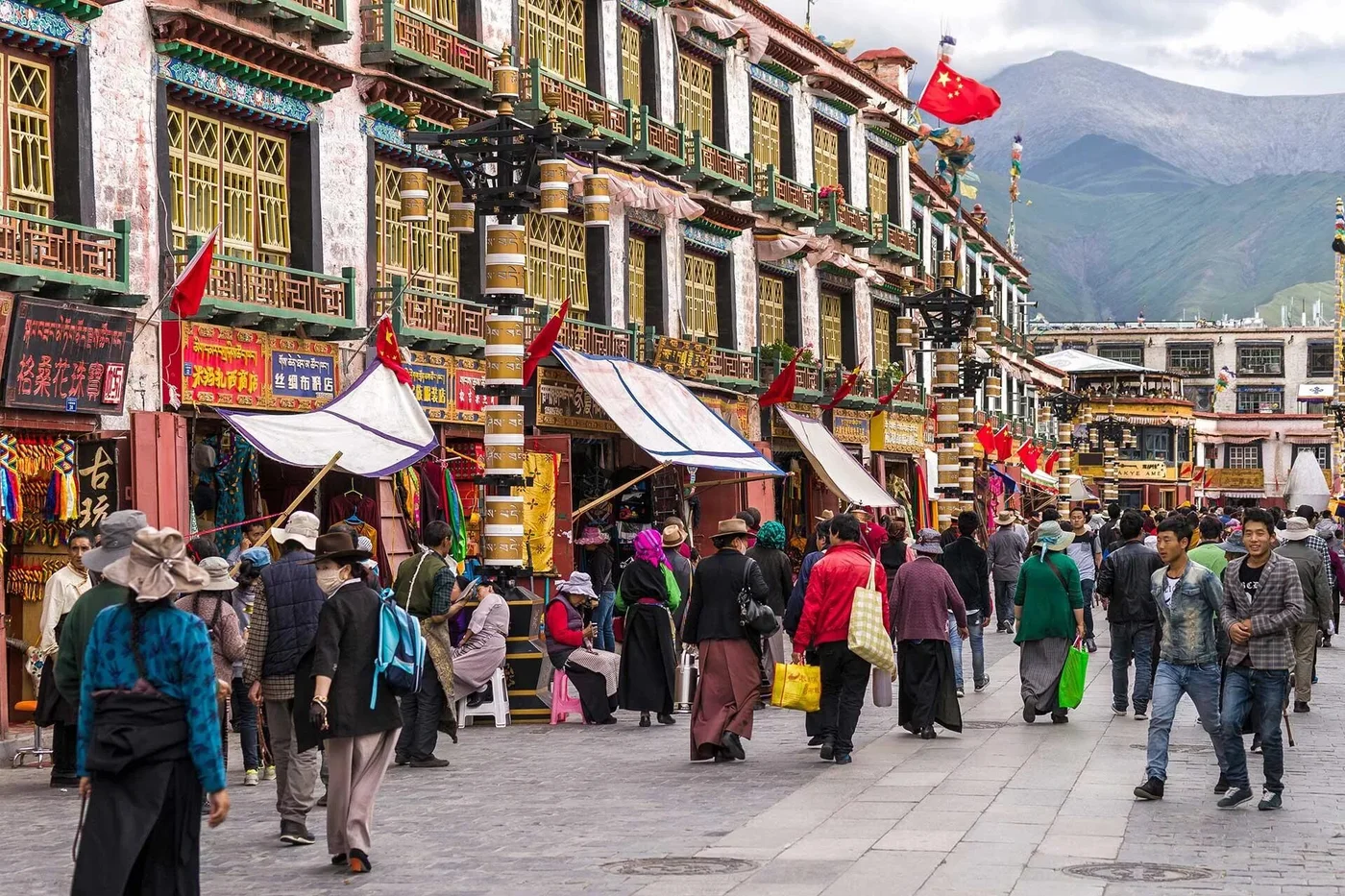
But Barkhor Square isn’t a static monument—it’s the heart of the city’s bustling life. Just a step to the side, and you’re surrounded by endless stalls and shops selling incense, loose turquoise, yak-wool scarves, and other souvenirs. Tourists browse for gifts, while nearby, on open-air verandas, monks in burgundy robes sip tea.
University for the Mind: Sera Monastery
At Sera Monastery, located on the outskirts of Lhasa, you can witness an amazing tradition—philosophical debates. The monks gather in an open courtyard: some sit on the ground, while others stand before them and engage in heated debates. Every statement or response is accompanied by sharp gestures and clapping of the hands. It seems as if they are physically hammering their arguments into space, proving to their opponent that they are right.
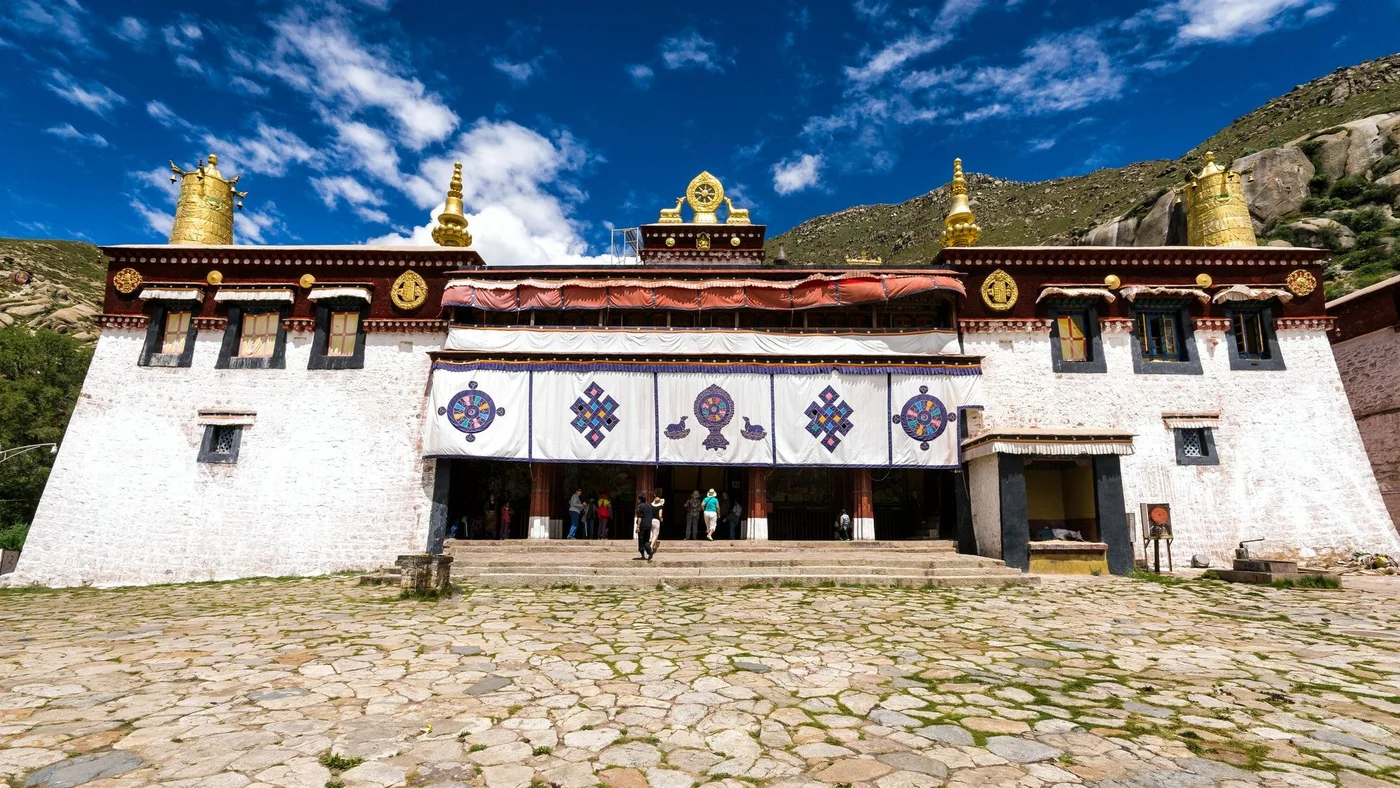
Everything takes place in a very emotional atmosphere, with lots of smiles, but the topics discussed are serious—logic, Buddhist philosophy, and mindfulness practice. To travelers, it looks like a strange street theater, but in reality, they train the human mind here just as rigorously as they train the body in a gym.
It’s also worth making the climb to Upper Sera—to the secluded hermitages on the mountainside just behind the monastery. The rocky trail climbs steeply and requires some effort. Your reward will be the ringing silence and a panoramic view of all of Lhasa, which is clearly visible from here.
Tibet Museum
The Tibet Museum in Lhasa is a successful effort to bring together the history of this vast region under one roof. Its modern, interactive exhibits help visitors make sense of it all in literally just an hour. The display cases feature ancient thangka scrolls, ritual objects, collections of imperial seals, antique porcelain, and jewelry.
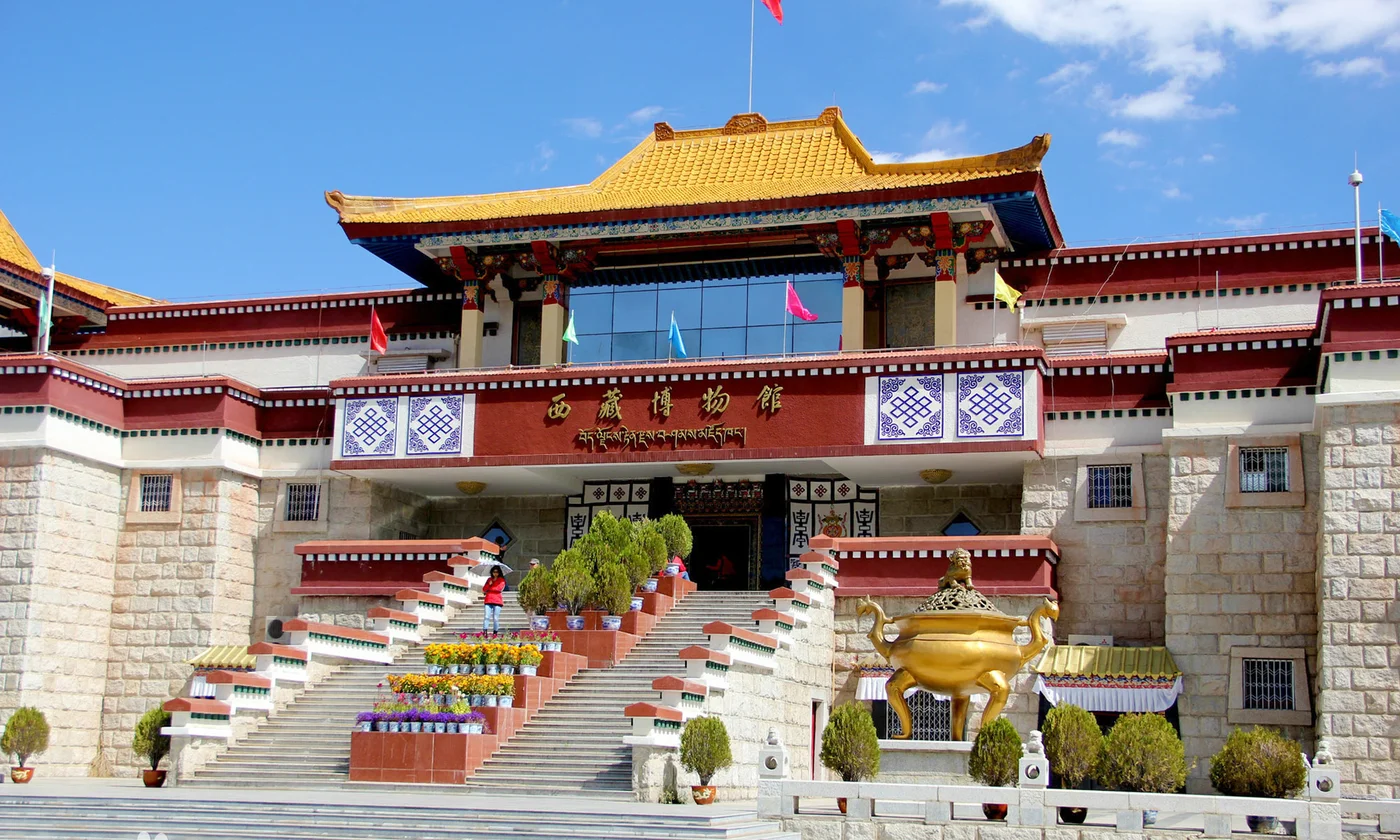
As you walk through the halls, you can trace the entire history of this land—from ancient kingdoms and caravan routes to the present day. After the museum exhibition, your exploration of Tibetan history and culture continues in person, out on the street. After grabbing some hot roasted chestnuts from a vendor, you can move on to the Norbulingka Palace.
The Grace of Norbulingka
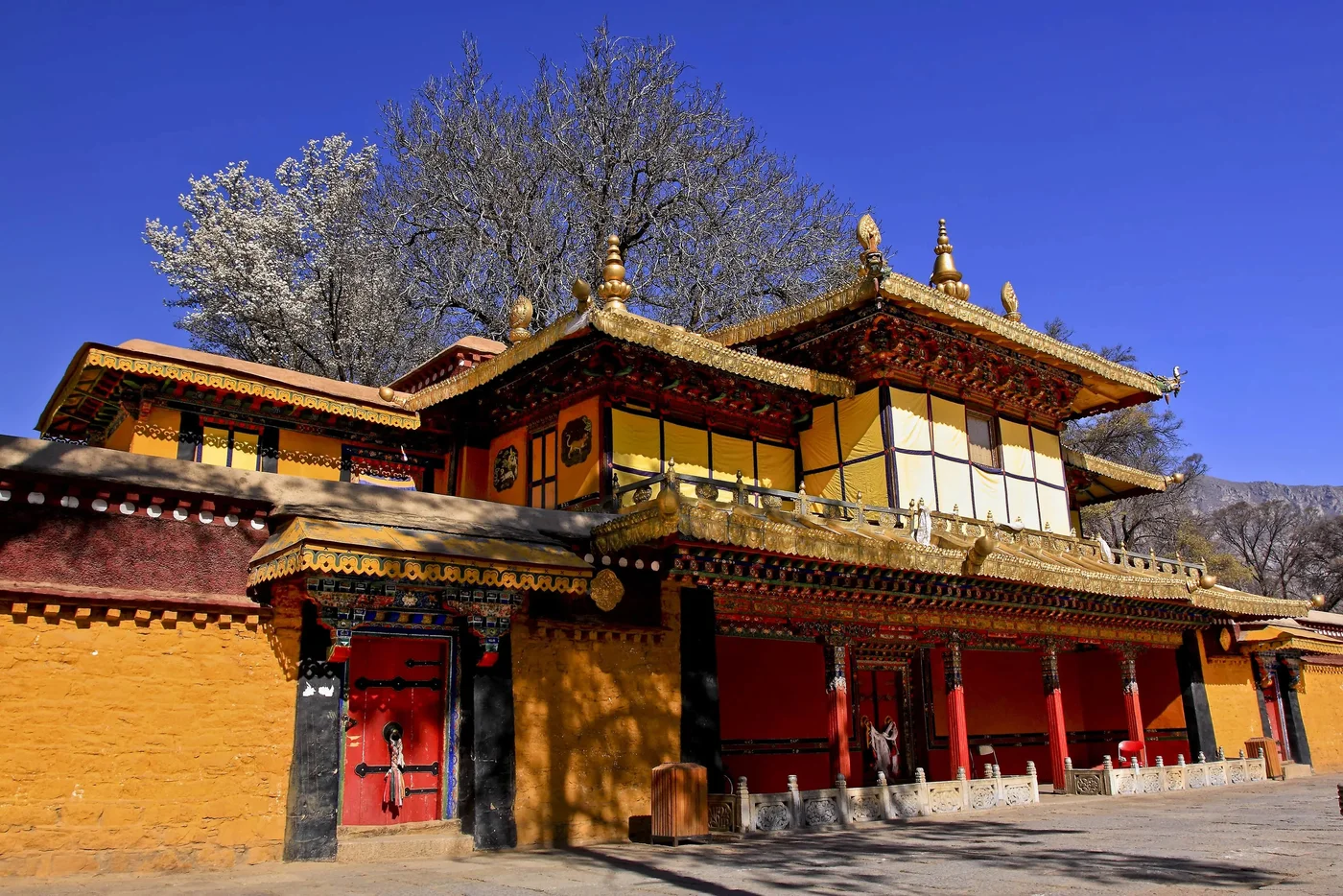
The former summer residence of the Dalai Lamas welcomes visitors with tranquility, gardens, and coolness. In Tibetan, “Norbulink” translates as “Precious Park,” and the name certainly lives up to its reputation. It is the largest man-made garden in Tibet, covering an area of more than 36 hectares. A true botanical wonder: at an altitude of 3,650 meters, rare flowers and plants from India, Nepal, and even Europe have taken root here. Ancient palace buildings are nestled among centuries-old cedars, spreading larch trees, and apple trees, and the shaded avenues exude a sense of peace and serenity.
Potala Mirror: Zongjiao Lukang Park
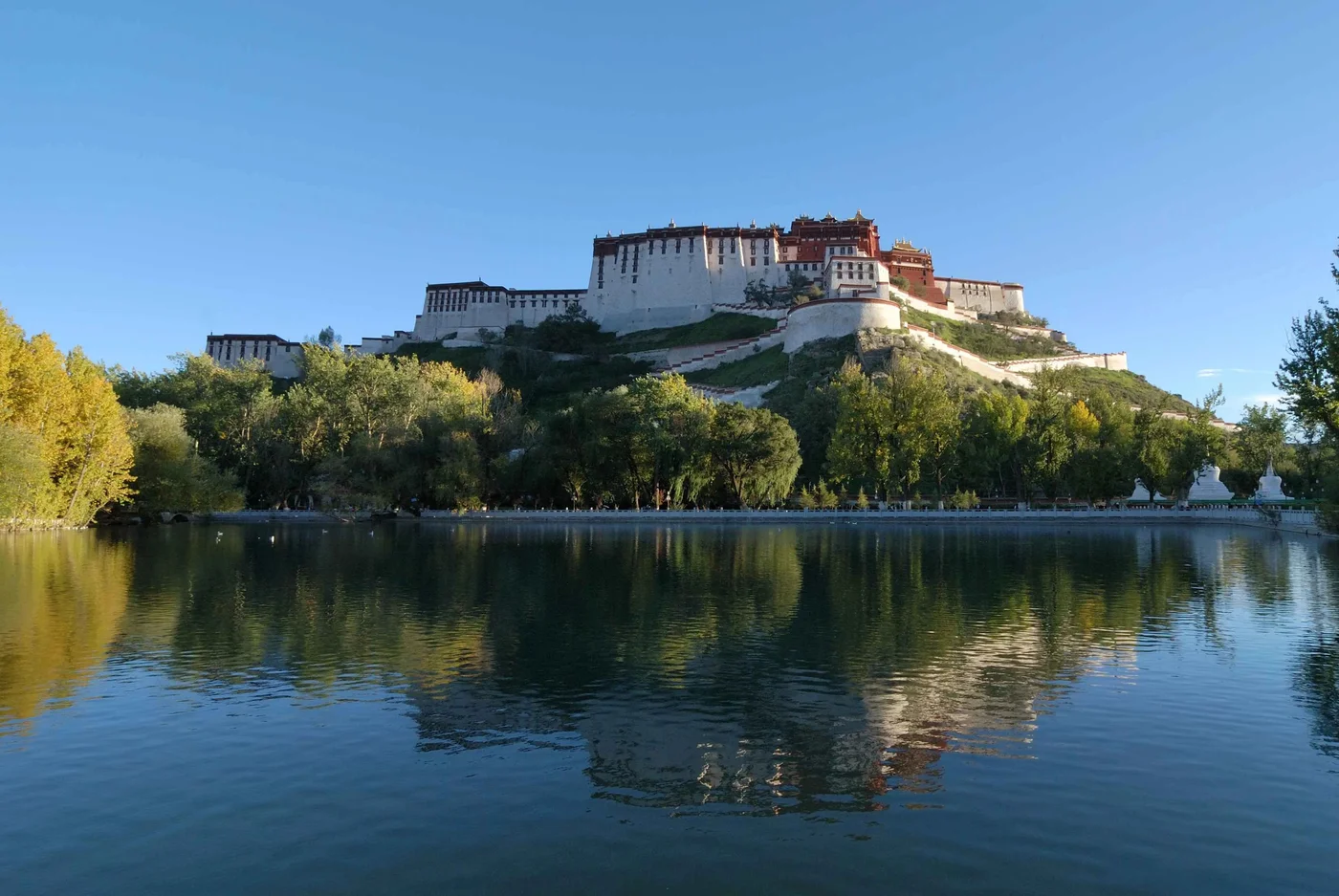
Like Norbulinka, Lukhan Park behind Potala is one of the favorite recreational spots for Tibetans. People also come here for morning jogs around the lake. There are no significant elevation changes here, plenty of greenery, and the palace’s white-and-red walls are beautifully reflected in the lake’s calm surface. The photos taken here are very picturesque.
You can wrap up your tour of the capital—and relieve the fatigue from long walks—at one of the centers offering traditional Tibetan massage by blind practitioners. The sensitive hands of the blind practitioners will relieve tension, restore lightness to your muscles, and give you the strength to continue your journey through Tibet.
We will find the right route for you
Tell us what interests you, and a destination expert will get in touch, answer your questions about altitude, dates and preparation, and suggest a suitable programme. The consultation is free and commits you to nothing.
Request received
A destination expert will get in touch within one business day.