

Tibetan Cuisine: What People Eat on the Roof of the World
Three Culinary Facets of Tibet: Traditional Dishes, Chinese and Nepalese Influences. From simple, familiar fare to local delicacies.
Traditional Tibetan Cuisine: Discovering Our Heritage
Chinese and Nepalese Influences
Restaurants and cafes for every taste
Top 8 Tibetan Dishes:
Momo
Tukpa (or thukpa)
Paws
What kind of meat?
Chang Barley Beer
Camp
Tibetan Tea
Yogurt made from yak milk
Before traveling to Tibet, people often worry that the local food is too unusual for Europeans. But there’s absolutely no need to worry: no one is likely to go hungry on the trip, and some dishes may even seem surprisingly familiar.
The high altitude, harsh climate, and lack of oxygen have shaped Tibetan cuisine. Traditional food in these parts is simple, filling, and very high in calories. That’s exactly what’s needed to survive in the high mountains. However, the days when Tibetans knew nothing but the humble fare of nomads are long gone. Today, the local menu is complemented by fiery Sichuan dishes from China and spicy Nepalese and Indian fare. At the same time, even among Tibetan “classics,” there are flavors that will be familiar to someone from Russia, yet no less distinctive for that.
Food prices in Tibet tend to be higher the farther you are from major cities. In cafes and restaurants in Lhasa and Shigatse, breakfast (tea, tsampa/rolls, an omelet, or yogurt) costs an average of $3–6, while lunch or dinner (a main course, soup, tea) costs $7–15 per person.
On a tour of the Golden Triangle (Lhasa—Gyantse—Shigatse), meals typically cost $20–35 per person per day. On a trip to Everest (Base Camp), a modest lunch or dinner will cost about $12–22. Prices here are 2–3 times higher than in Lhasa, since food and cooking gas are transported up winding mountain roads.
Traditional Tibetan Cuisine: Discovering Our Heritage
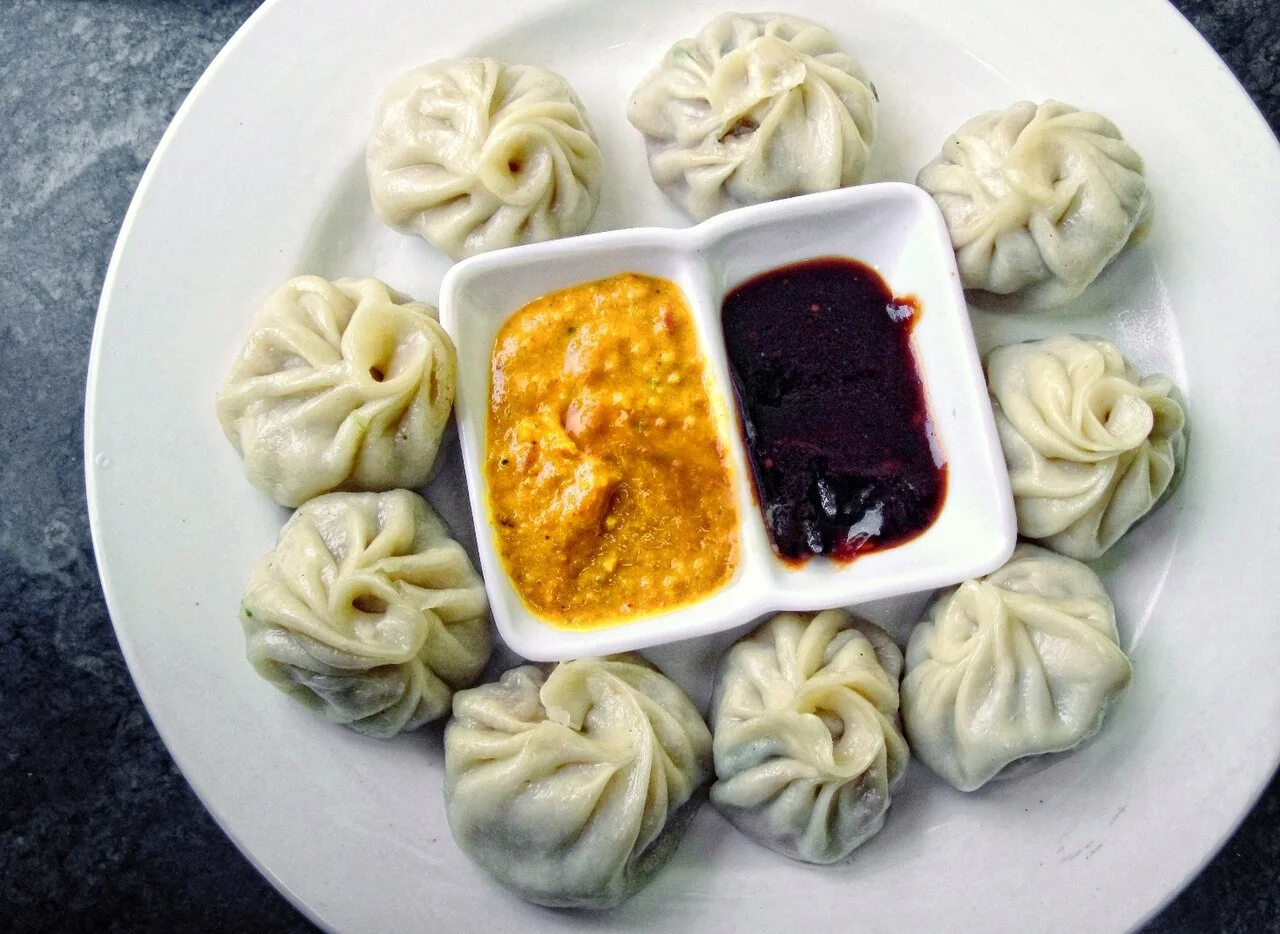
● Momo are Tibetan dumplings. In fact, these large dough pouches are more similar to manty or Buryat pozy. They’re also made from wheat flour, filled with minced meat, and steamed. The filling is most often made of chopped yak meat or vegetables with onions. In addition to steamed momo, there are also fried versions—with a crispy crust. A typical serving of 6–8 pieces costs $3.50–6.
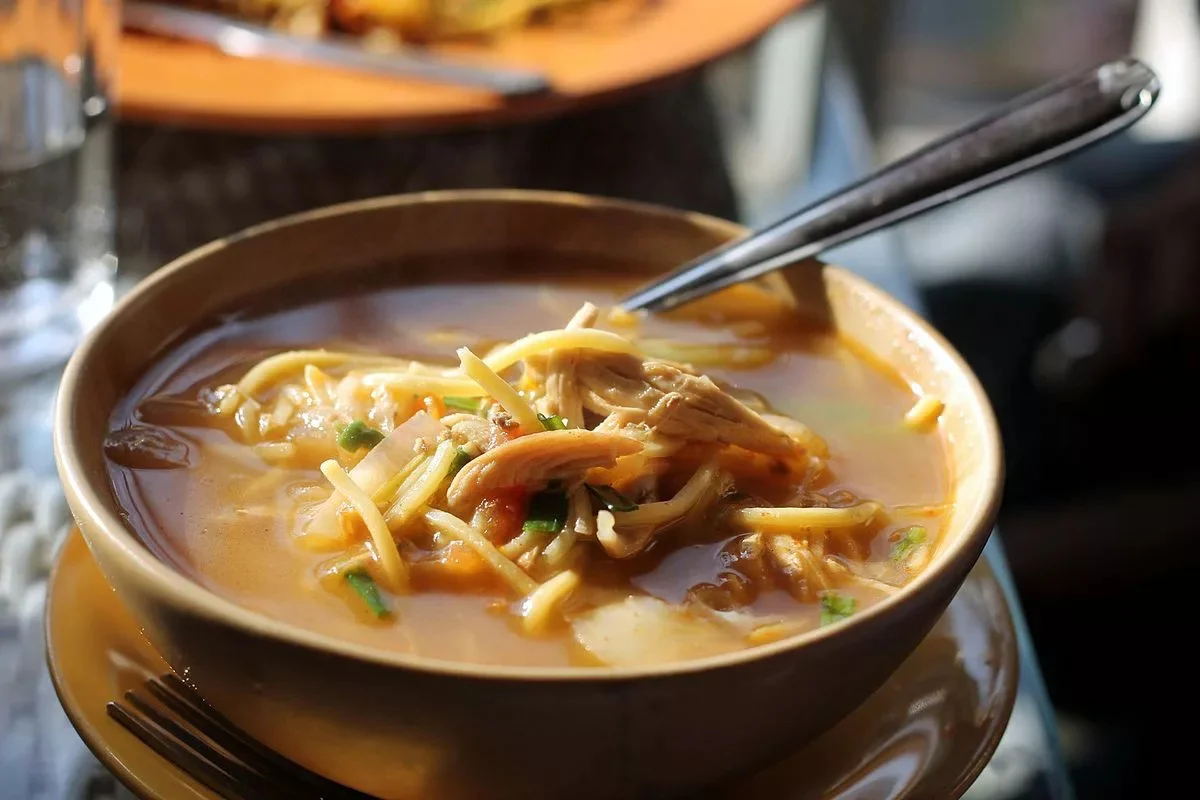
● Thukpa (or thukpa) is a rich meat broth with thick homemade noodles and vegetables. Essentially, it’s a familiar noodle soup, but with a local twist. A large, deep bowl is often filled with pieces of boiled meat—yaks, lamb, or chicken—and seasoned with ginger, garlic, and Sichuan pepper to add warmth. A serving costs $2–5. After a whole day in the cold mountain wind, this meal is the perfect way to warm up.
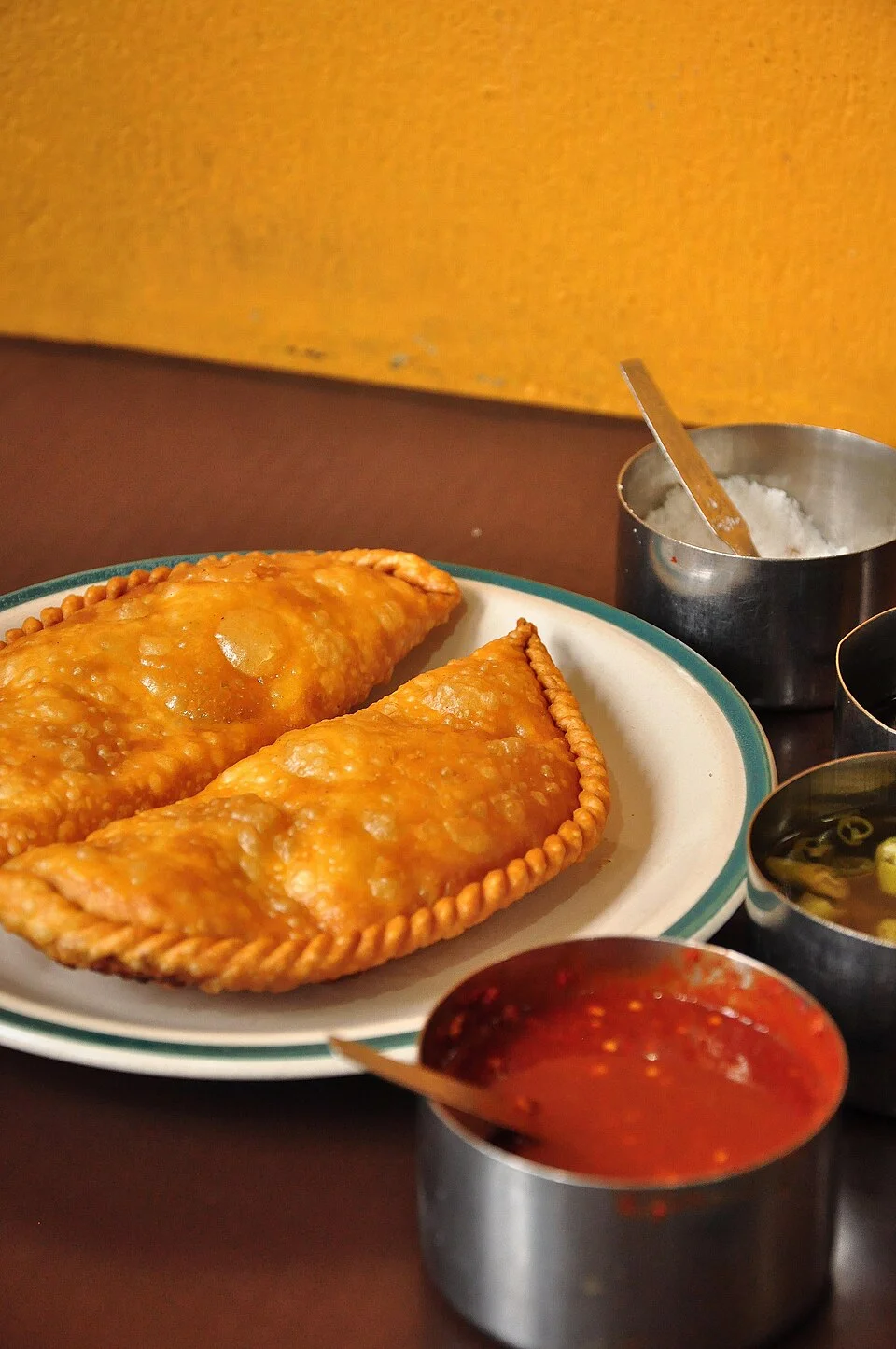
● Shapale—the local version of a cheburek ($1.50–3 each; two are enough to fill you up). It’s a large, flat “pastry” made of unleavened dough with a meat filling, deep-fried or pan-fried. Hot broth forms inside, so you have to bite into it carefully—just like with a cheburek.
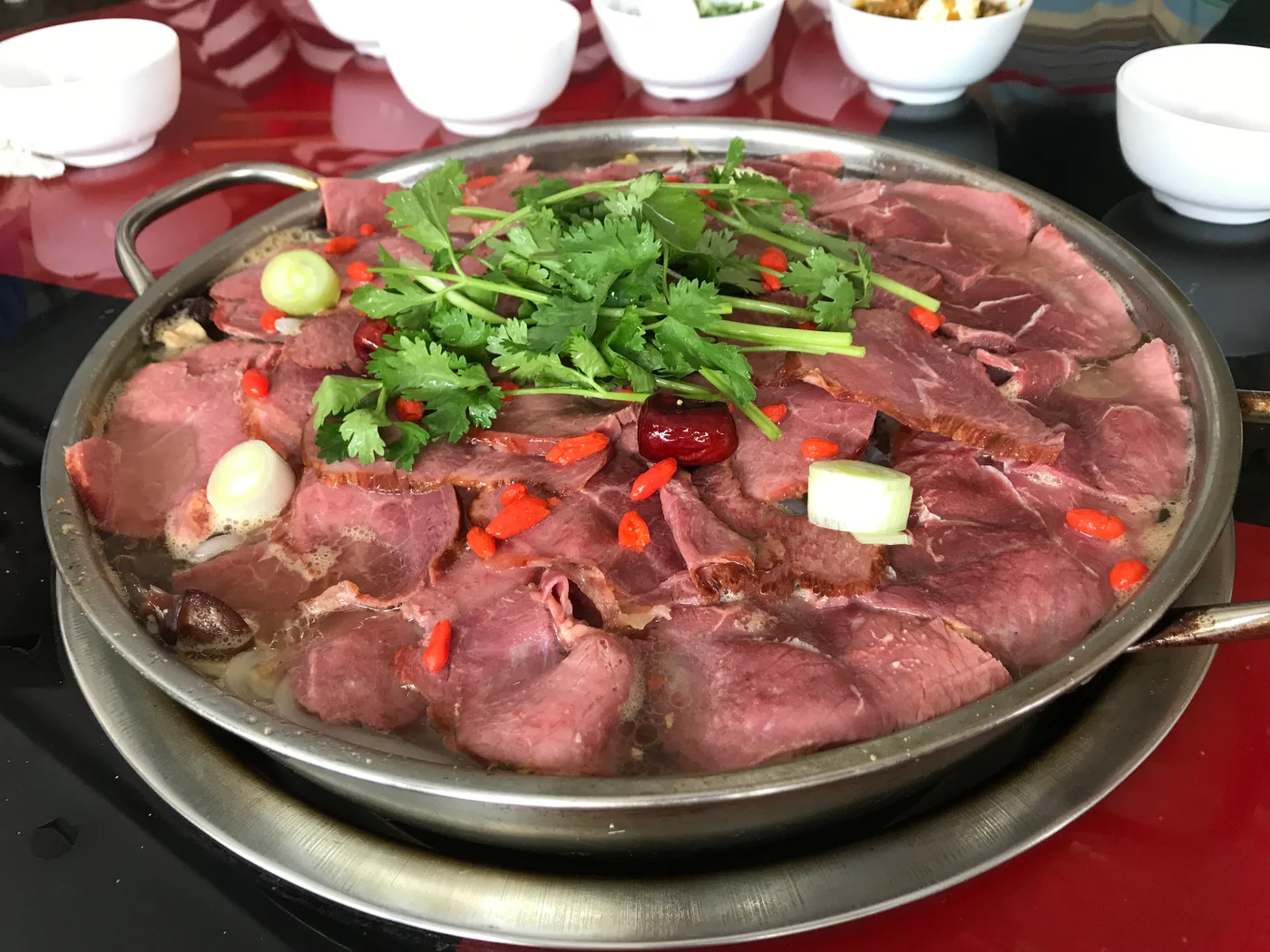
● Yak meat—boiled, roasted, or dried—is an indispensable part of Tibetan cuisine. When stewed with potatoes and onions, it’s something like a home-style stew, and when served with boiled rice, it’s almost like pilaf. Depending on the portion size and the restaurant’s class, dishes (such as stewed meat with potatoes, steaks, or cold cuts) cost $9–18. Tibetans also eat a lot of vegetables. The most popular ones are carrots, bell peppers, cauliflower and regular cabbage, corn, and spinach.
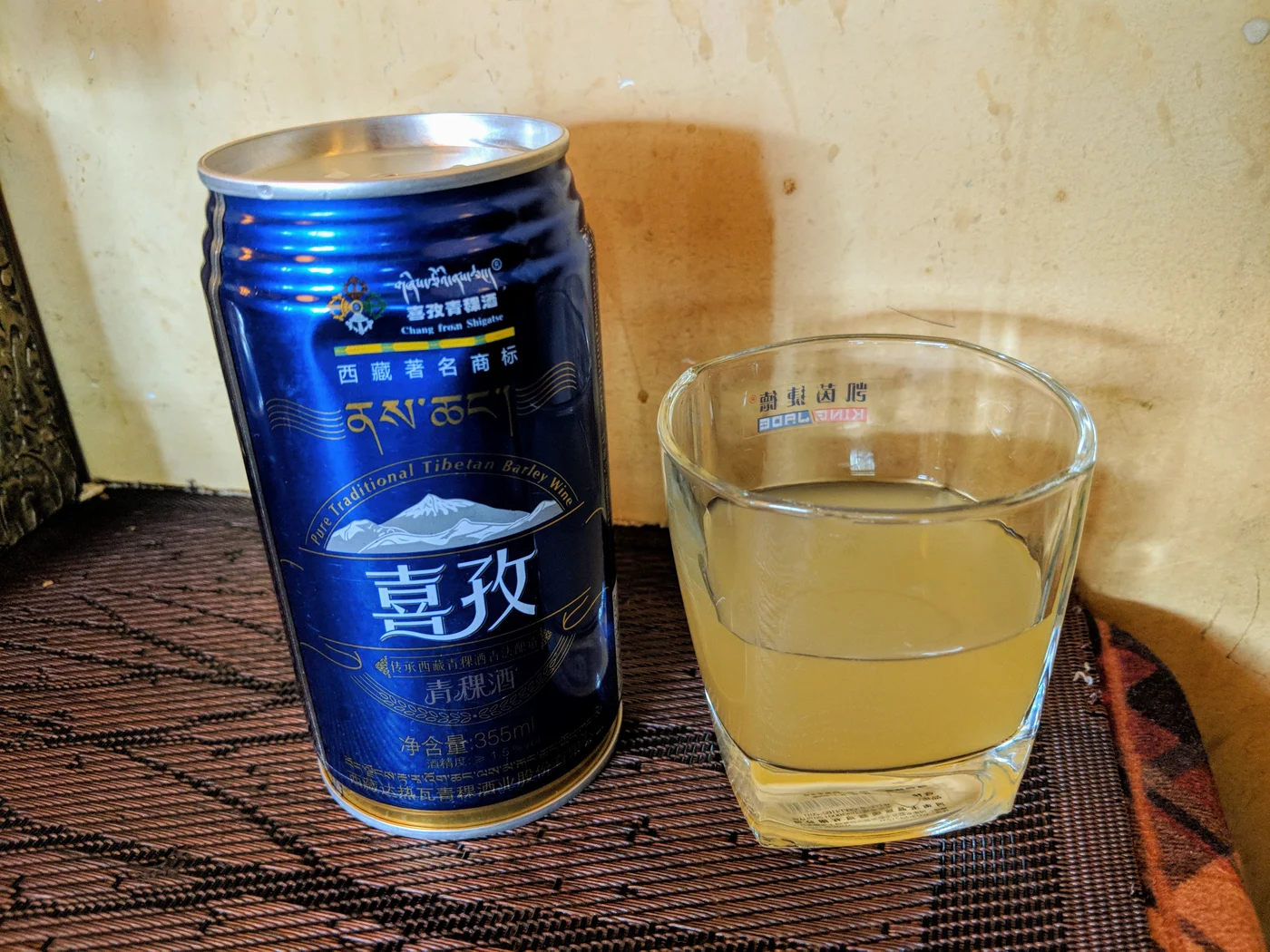
● Chang, a barley beer, resembles kvass, although Tibetans sometimes call it “wine.” It is a low-alcohol beverage made from fermented barley. Slightly carbonated and tangy, it goes down easily and is very thirst-quenching. In restaurants and teahouses, draft chang is served in pitchers ($1–3), and you can buy bottled chang at the supermarket ($1.20–2.50 per 330–500 ml can or glass bottle).Stores also carry “Lhasa” beer—a light lager made from Tibetan barley and Himalayan water—for $1–2 per can or bottle. In restaurants, the price can go up to $3–4. Alcohol can worsen the symptoms of altitude sickness (headache, nausea, and shortness of breath), so it’s best to try these drinks only after you’re feeling better.
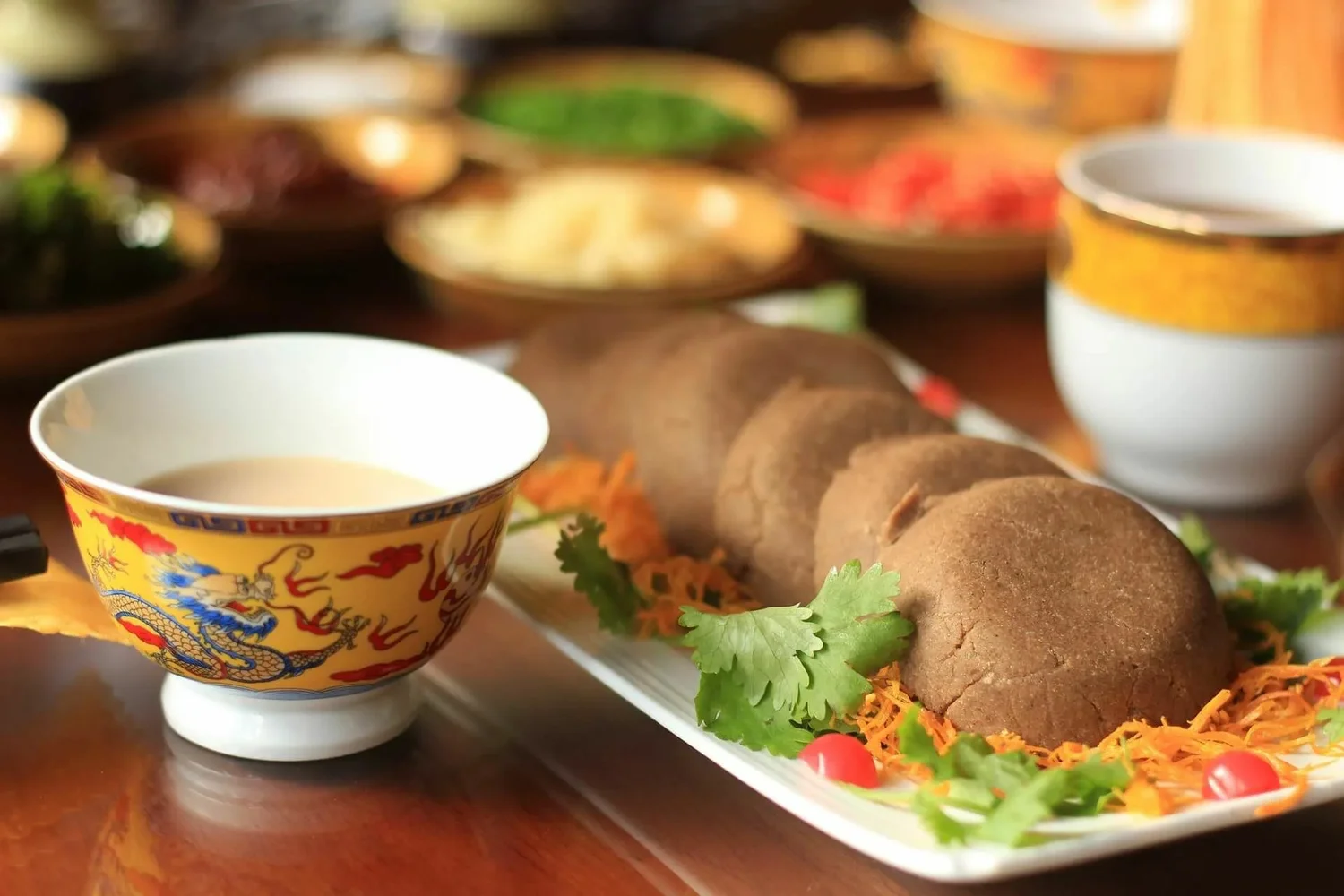
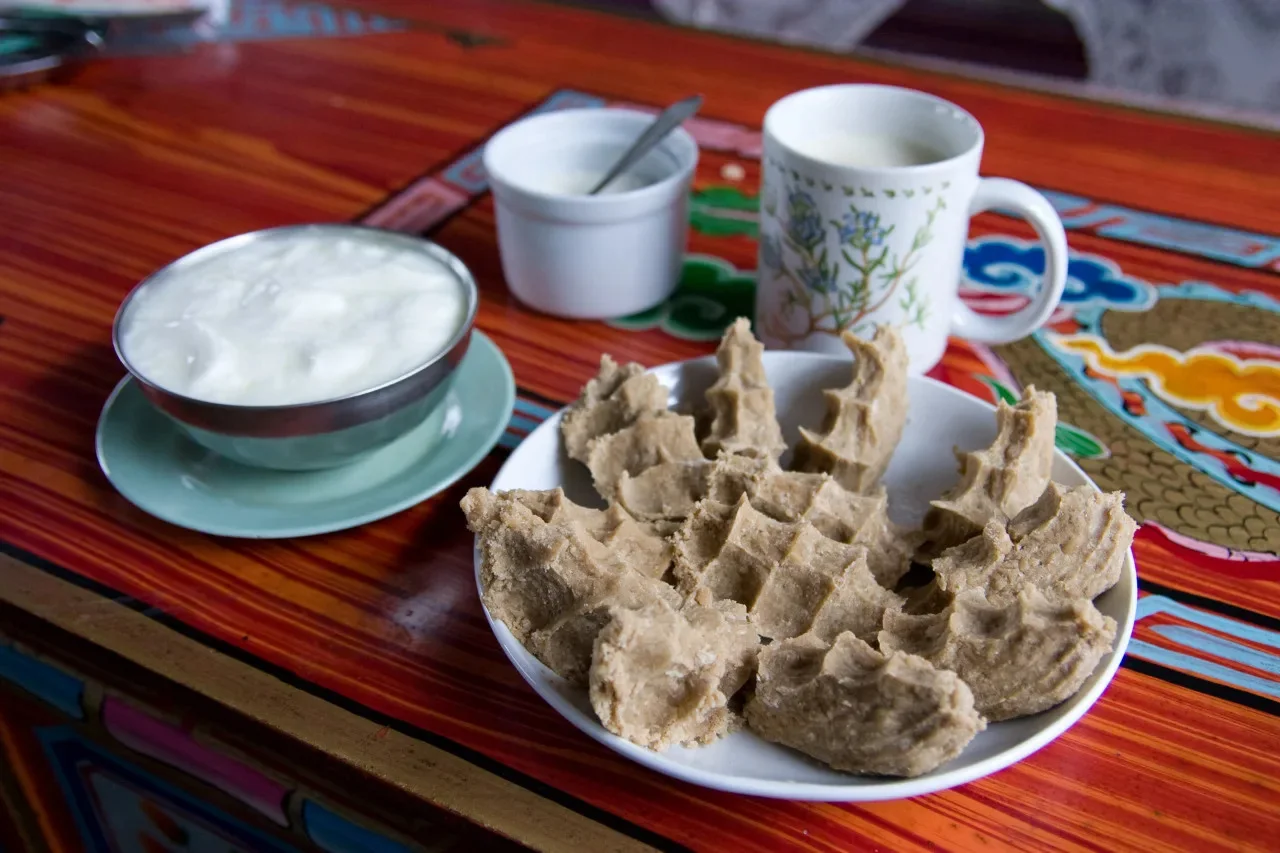
● Of course, some of the local foods seem exotic. For example, tsampa—roasted barley flour. It’s often added to hot tea with butter and milk, resulting in a thin porridge or soup. Another option is to knead the tsampa into a thicker paste right with your fingers in a bowl. Dried cheese, berries, sugar, or honey are sometimes added to this paste. Tsampa is eaten as a main dish at any time of day, as well as an appetizer or snack. In a café, a serving costs $2–4.
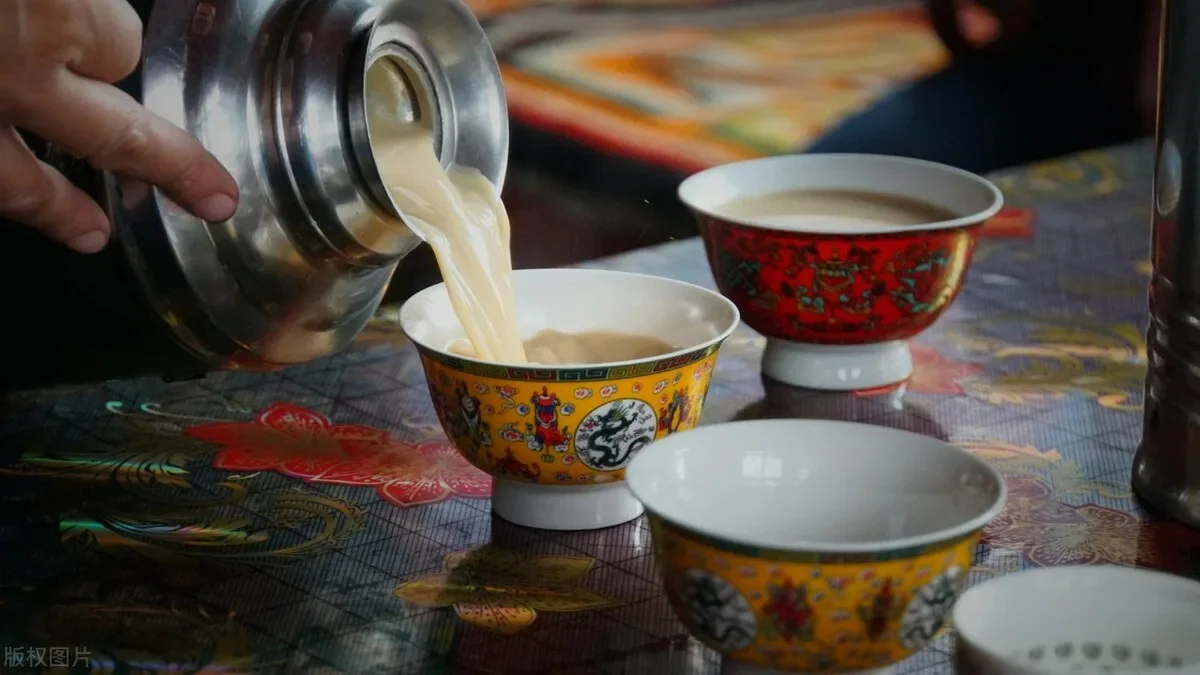
● Tibetan tea is also an acquired taste. Salty, with milk and melted yak butter, it’s more like a soup. It’s believed that the drink helps with altitude sickness and dehydration. This is partly true: it warms you up and restores electrolyte balance, but it’s important to remember that it’s not a medicine. You can buy a large thermos or teapot right away for $1.50–3.
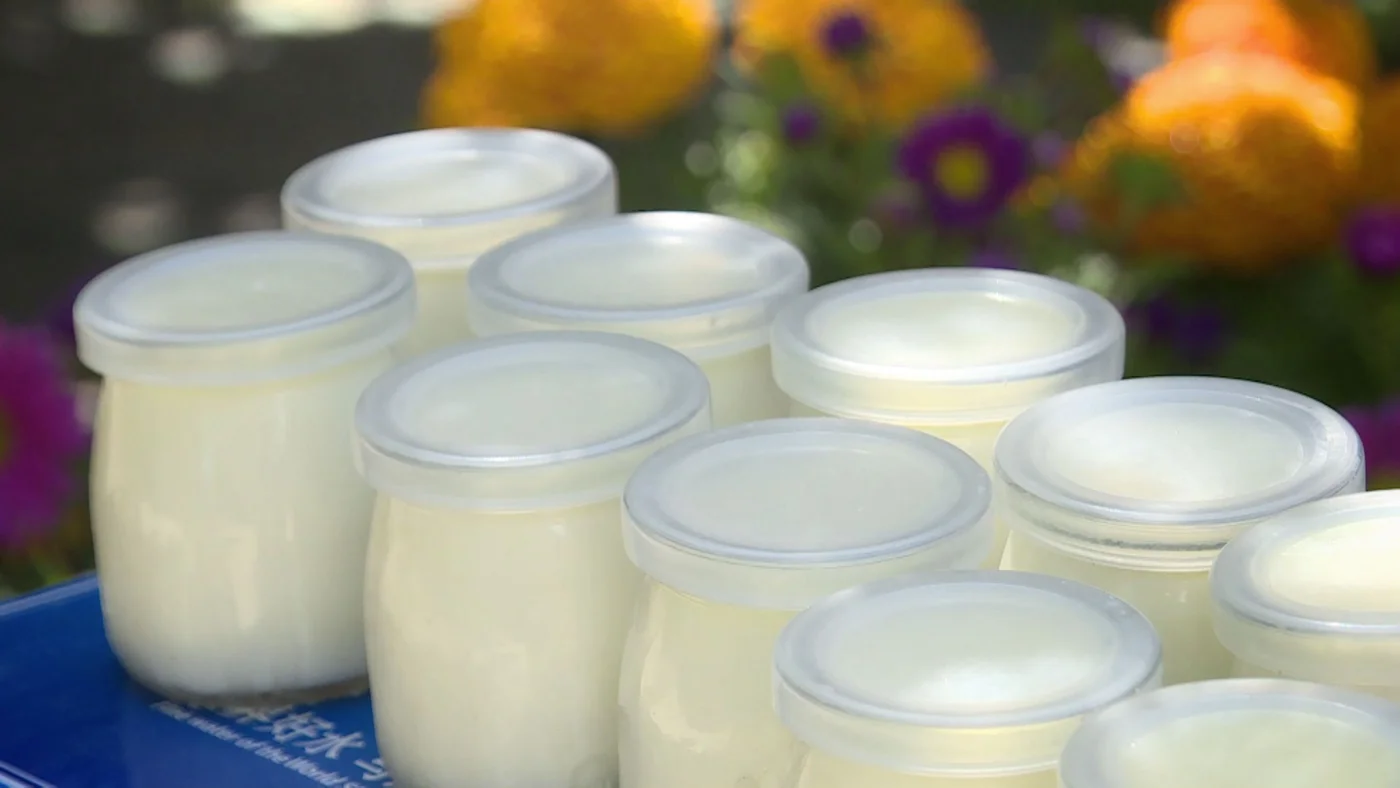
● For dessert, you should try yak milk yogurt: thick, rich, tangy, and nothing like the store-bought kind you’re used to. It’s served in bowls and sprinkled with sugar on top, making it a simple and refreshing treat. A serving costs $1.50–3.
It’s a special treat to stop for lunch with a Tibetan family in a simple village home. The meal is both colorful and familiar, with dishes that are easy to understand and relatable. A rich soup with yak meat and vegetables, so similar to shurpa. Roasted potatoes with green onions and mushrooms, served with fresh cucumbers on the side. Homemade, delicious, and hearty food. And they wash it all down with barley beer—it’s exactly like kvass. You couldn’t ask for a better way to end such a heartwarming meal.
Chinese and Nepalese Influences
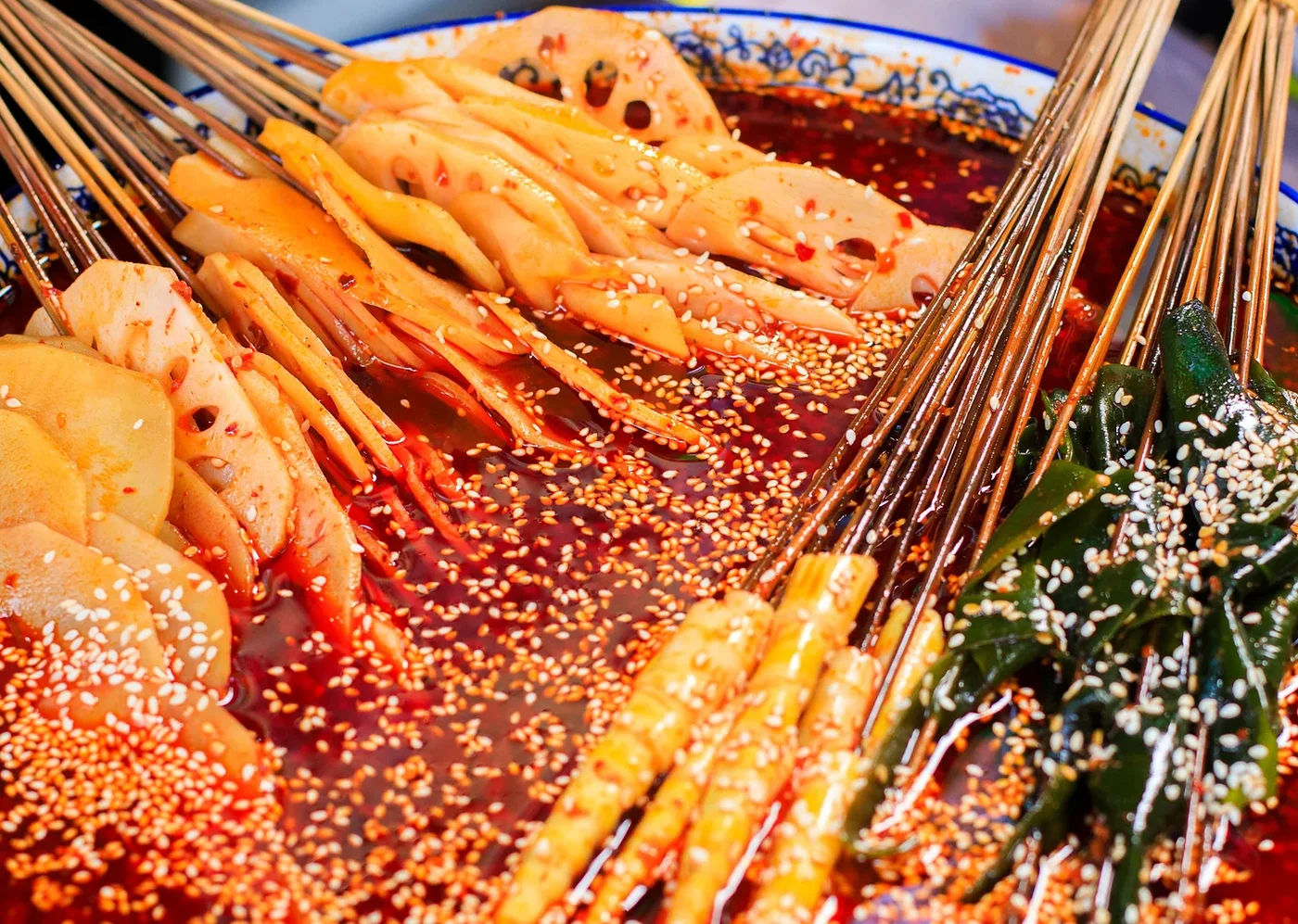
Sichuan cuisine ranks second in popularity after Tibetan cuisine. It has a noticeably spicier and more vibrant flavor than traditional dishes. At high altitudes, the lack of oxygen often kills your appetite, but that’s where fiery sweet-and-sour appetizers come to the rescue—they invigorate you and bring back your appetite. Fans of Caucasian sauces, adjika, and pickled peppers will appreciate the familiar flavors in Sichuan-style dishes.
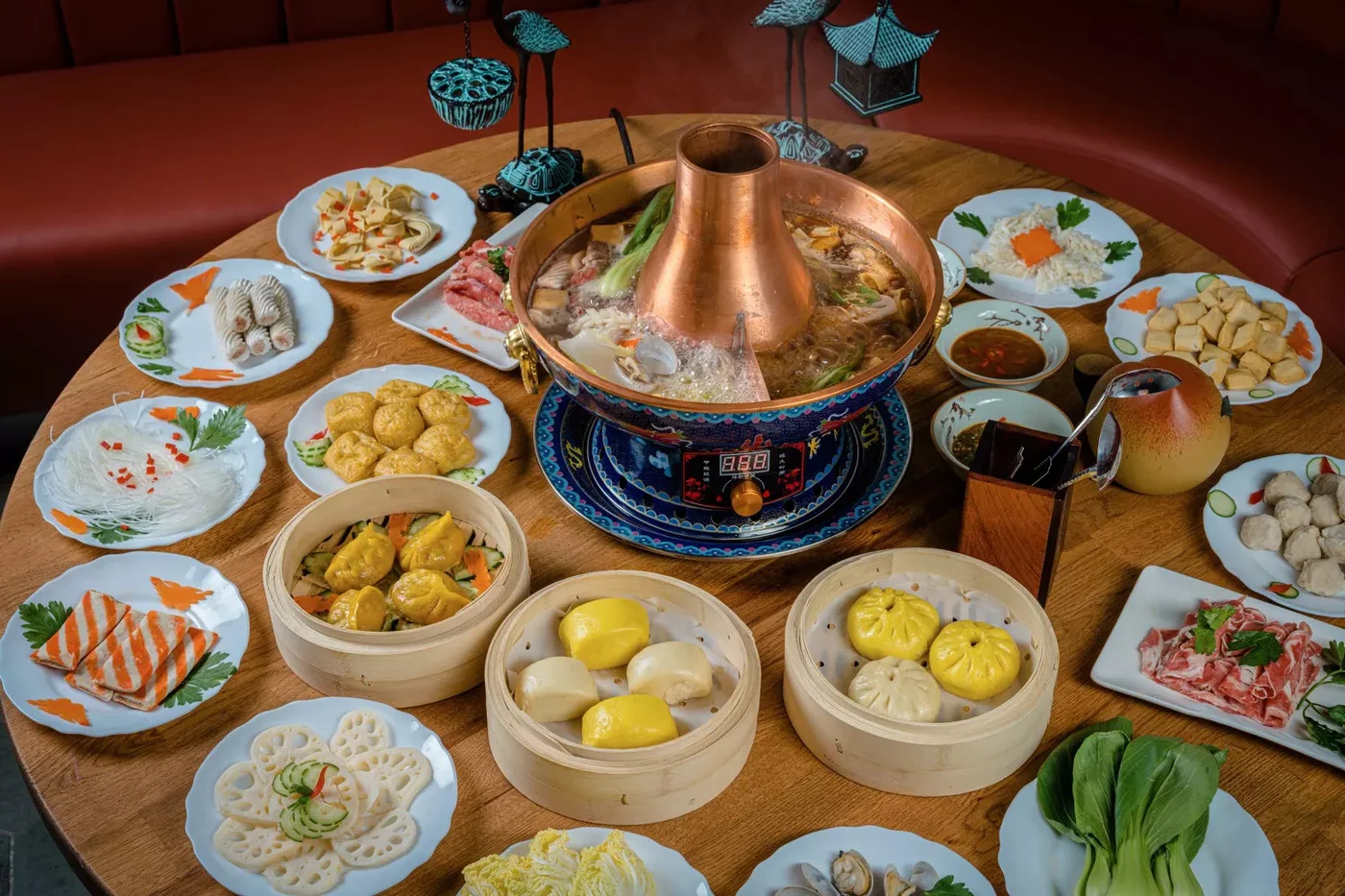
The Chinese dish hoguo, or hot pot, has also become popular in Lhasa’s restaurants. It’s quite a ritual: a group sits around a pot of boiling broth, where each person cooks thin slices of meat, mushrooms, and vegetables for themselves, then dips them in sauces and eats them. The Sichuan version is fiery, while the Tibetan version, made with yak meat, is milder.
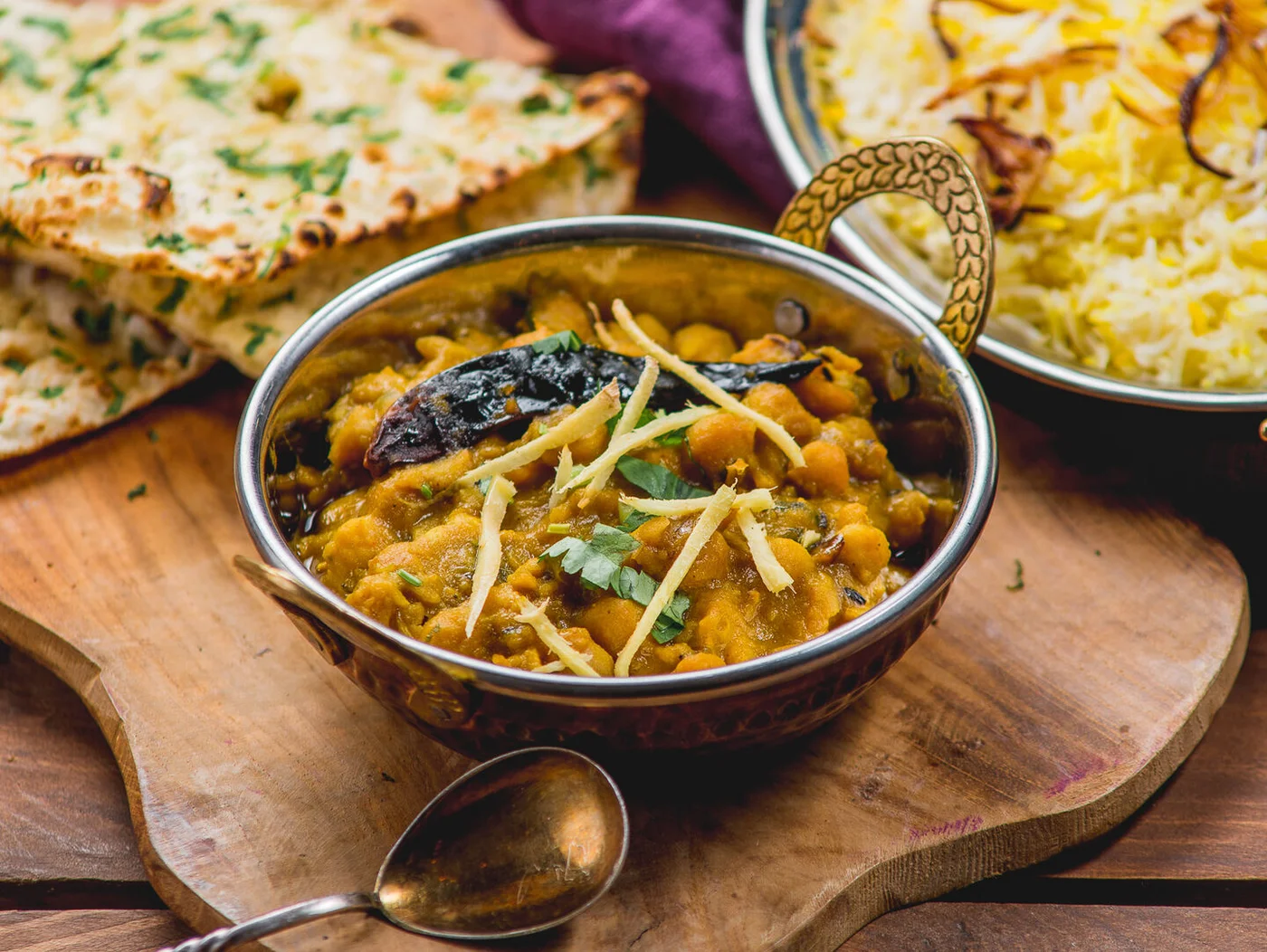
The third culinary facet of Tibet is spicy Nepalese and Indian dishes, such as hearty curries, thick dal lentil soup, and naan bread. The menus at these restaurants offer a rich selection of dishes made with legumes, vegetables, and cheeses. In short, it’s a paradise for vegetarian tourists, who often find it challenging to eat in this rugged mountainous region, where the local cuisine is very “meat-heavy.”
Restaurants and cafes for every taste
All this variety is surprising, especially to those visiting Tibet for the first time. In major cities, it’s easy to find places to suit every taste. For example, in Lhasa, you can have dinner on a terrace overlooking the Potala Palace, relax in a cozy café with a European menu, or spend the evening at a family-run restaurant serving traditional cuisine. And if you’re craving fast food, familiar chains like Burger King, Pizza Hut, and the world’s highest-altitude KFC are right in the heart of the capital.
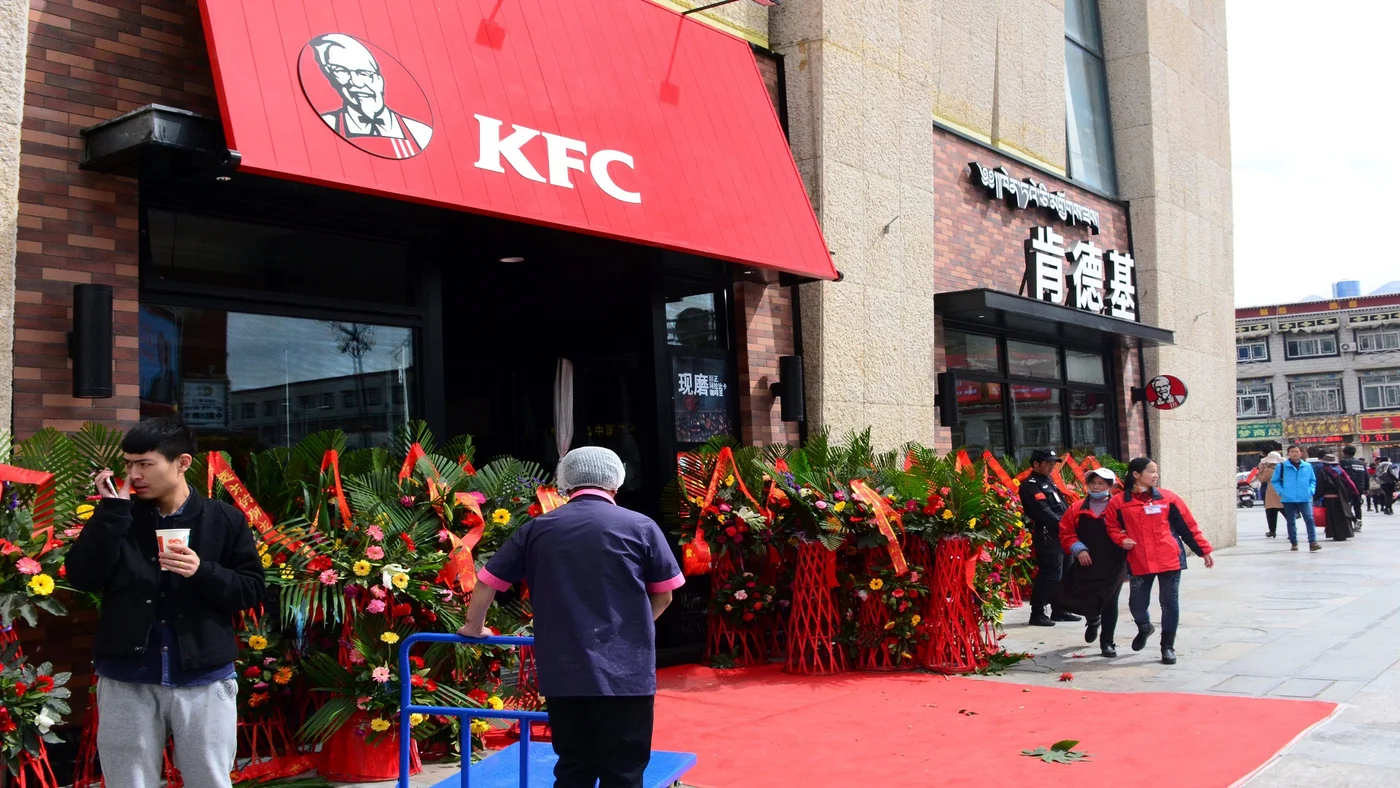
You won’t have any problems with food during tours to Kailash or Everest Base Camp either. Along the way, at an altitude of about 4,800 meters, you can even stop by a mobile coffee shop. All around you are mountain ranges, sandy valleys, and the blue waters of lakes. Holding a hot latte in your hands and enjoying the panoramic view, you get a particularly vivid sense of the blend of modernity and antiquity.
At remote guesthouses or roadside tea houses, the menus are simpler and the surroundings more modest, but they also serve hearty, straightforward meals. The hosts will always offer fresh scrambled eggs, boiled rice, stewed potatoes, vegetables, or noodles, and a glass of chang along with the almost homey atmosphere will help you relax after your journey.
We will find the right route for you
Tell us what interests you, and a destination expert will get in touch, answer your questions about altitude, dates and preparation, and suggest a suitable programme. The consultation is free and commits you to nothing.
Request received
A destination expert will get in touch within one business day.