

Pilgrimage to Kailash: Through Nepal or Tibet? A Comparison of Routes, Safety, and Acclimatization
To Kailash from Kathmandu and Lhasa: How the Routes Differ—Roads, Elevation Gain, and Itineraries. What Matters Most When Choosing a Route.
Safety and Roads: A Contrast at the Border
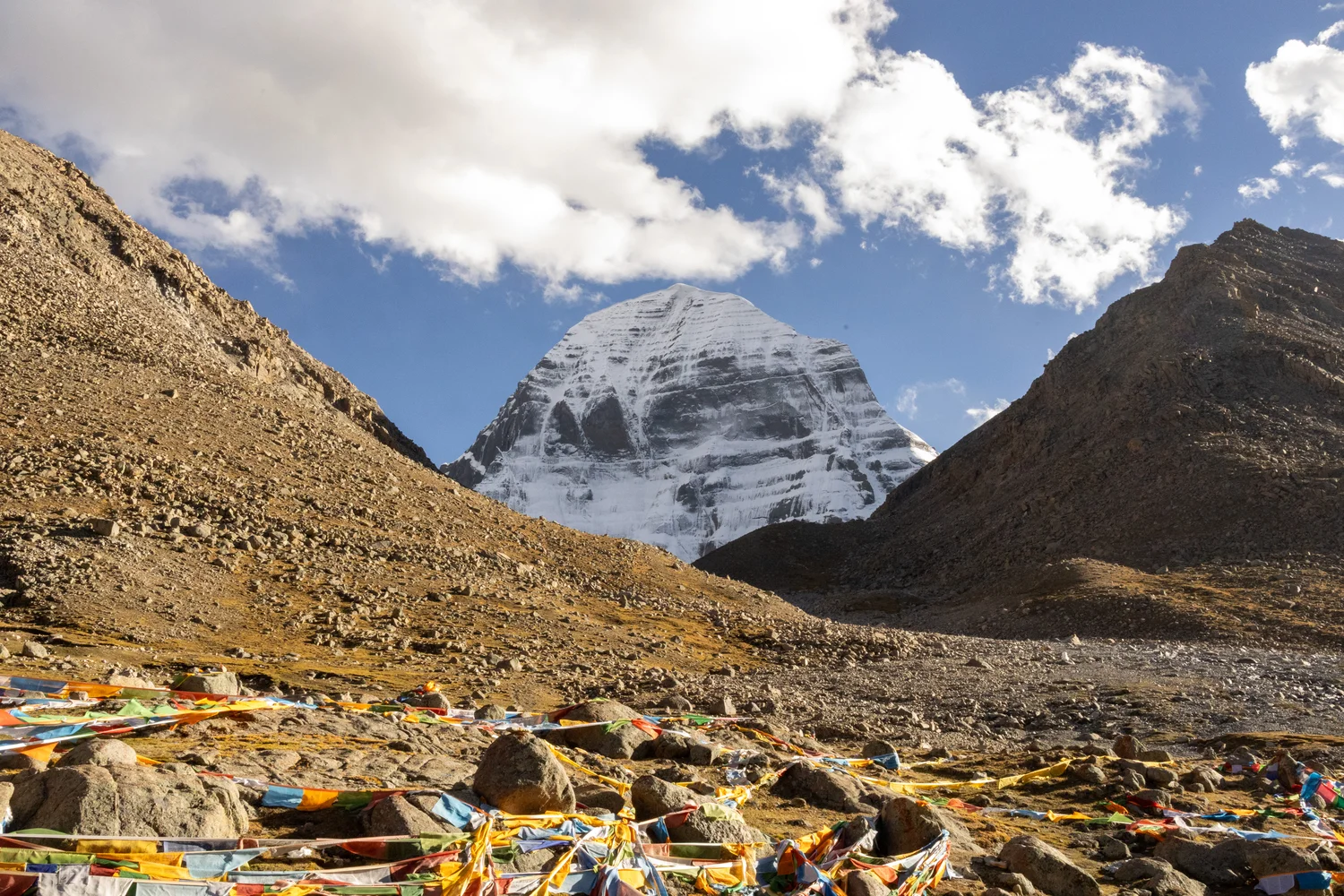
People do not journey to the foot of Mount Kailash in pursuit of athletic achievements. People from all over the world travel to this peak—sacred to four religions—to perform a ritual circumambulation of the mountain, or “kora.” The journey, just over 50 kilometers long, is more than just a high-altitude adventure and a test of one’s limits. For many, it becomes a profound inner journey—a quest for spiritual purification, a search for meaning, and answers to life’s most important questions.
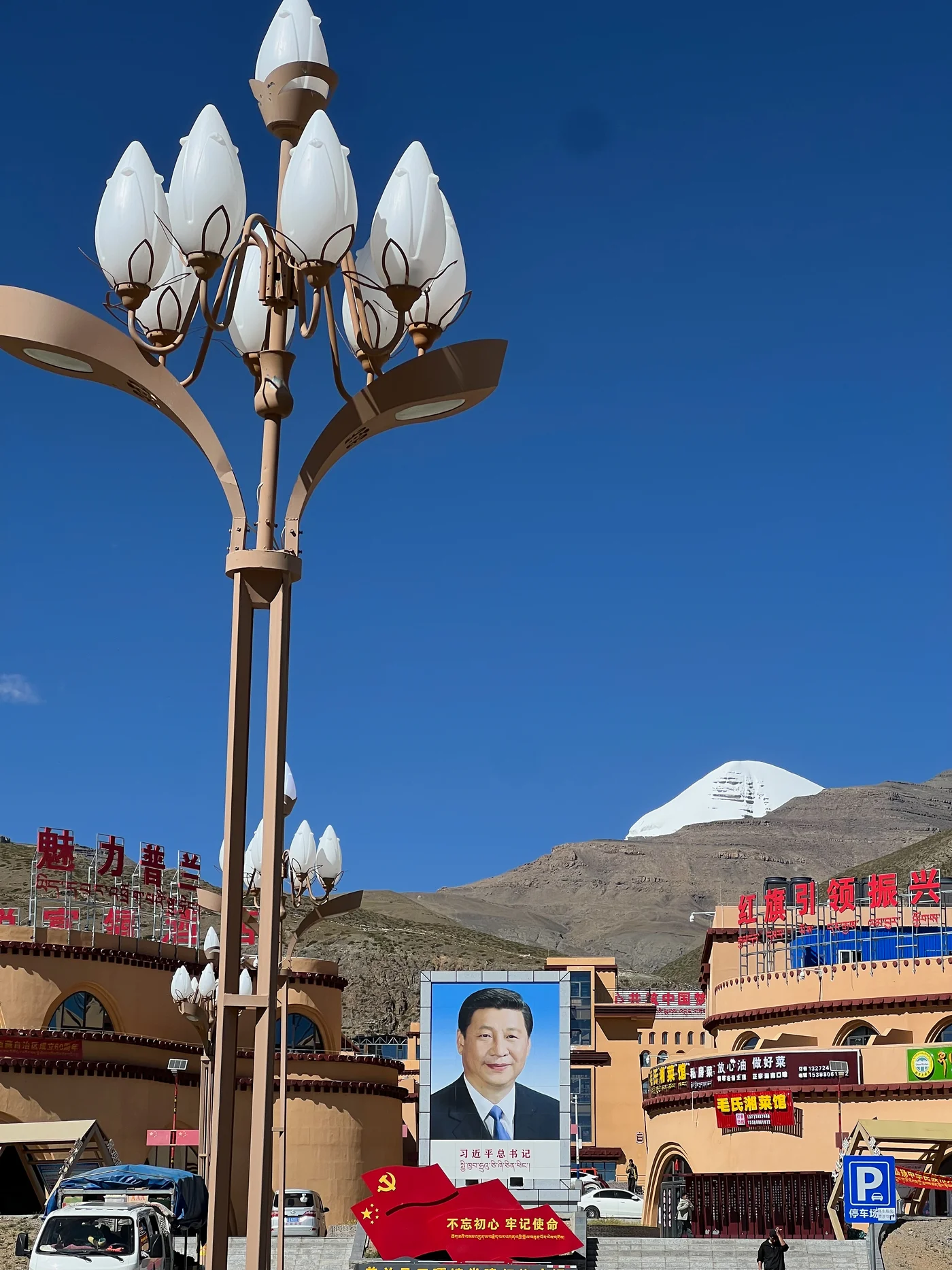
The trek begins in the Tibetan village of Darchen (4,670 meters). People usually reach this village from Nepal via Kathmandu or through the Tibetan Plateau from China. A lot depends on the route—the duration, the itinerary, and the cost. But when setting out on this trip, it’s important to remember that we’re talking about mountains, where any sudden change in the weather can instantly become life-threatening.
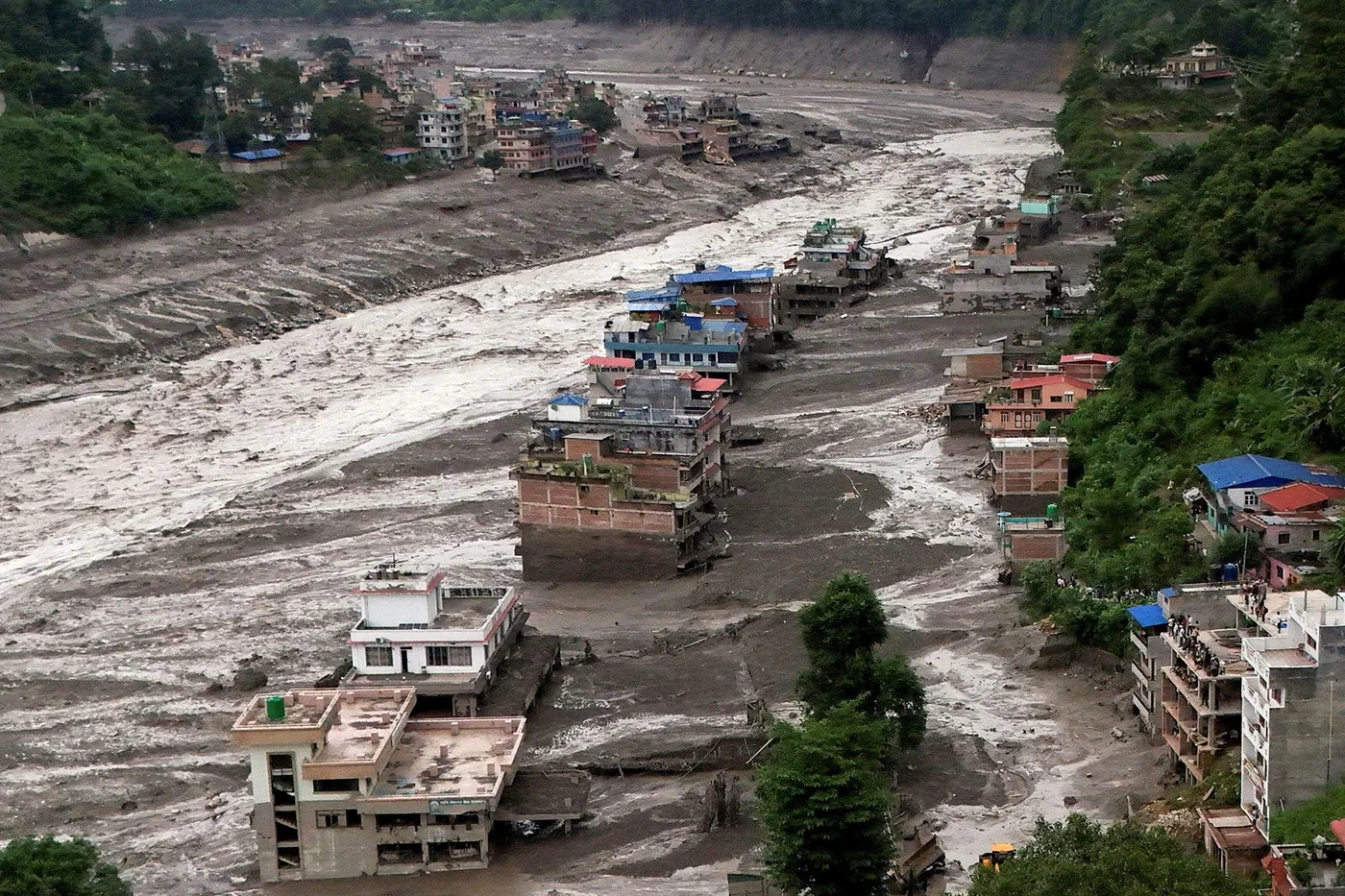
A striking example is the events on the border between Nepal and China. In late August 2026, a devastating flood began after a glacial lake burst. A massive mudslide swept away the Rasuwagadhi–Kerung (Gyirong) border crossing, which many travelers used to reach Tibet and make pilgrimages to Mount Kailash. Several thousand people were killed or went missing; the border regions were declared disaster zones, and the route was closed indefinitely. The situation clearly demonstrated that tourists must prioritize safety above all else, and only then consider cost and travel speed.
Safety and Roads: A Contrast at the Border
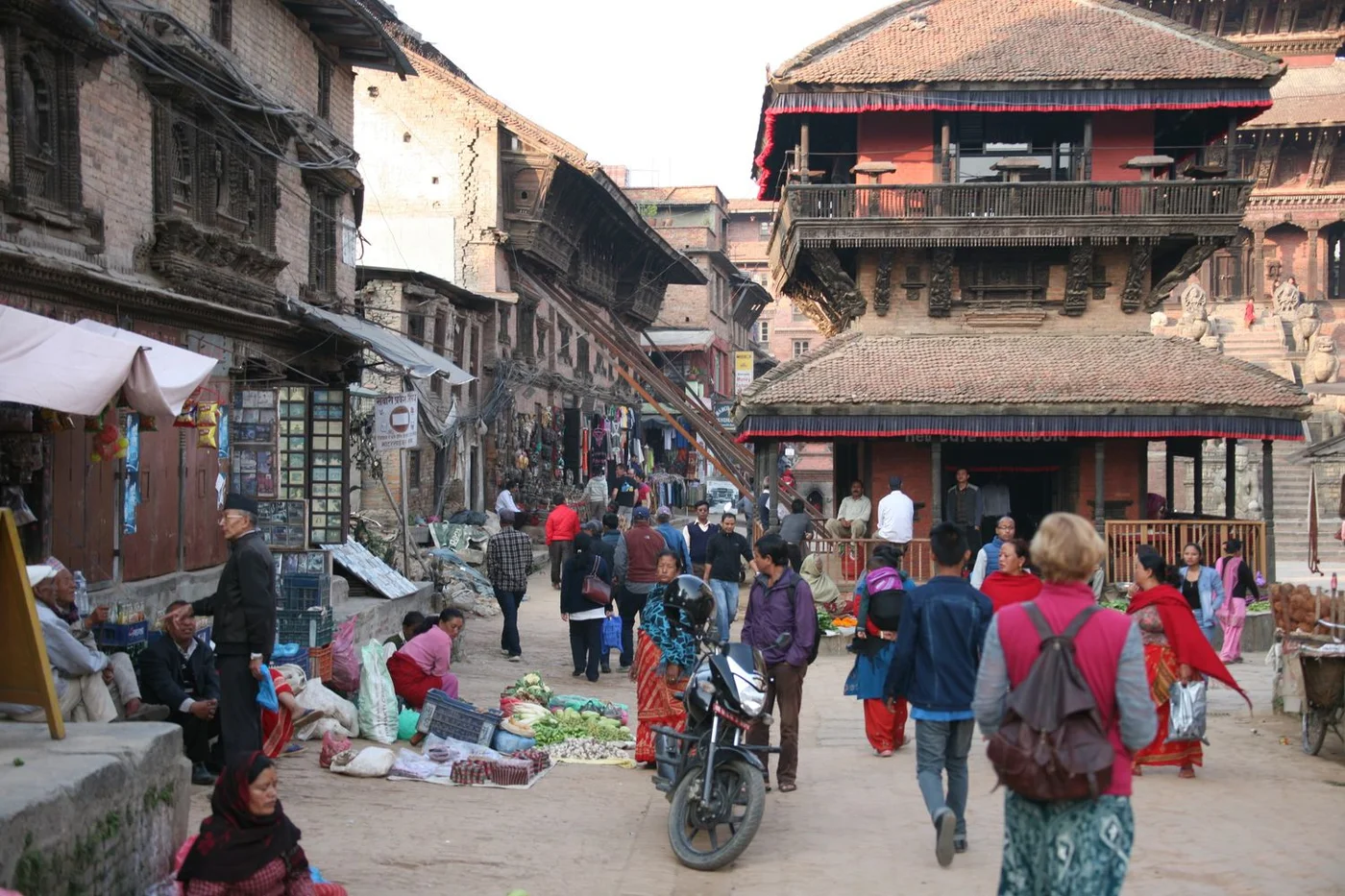
This is far from the first time Nepal has experienced something like this: natural disasters occur there regularly. Most often, these are floods, mudslides, and landslides caused by seasonal rains and melting glaciers. The country, which is 80% mountainous, is constantly shaken by earthquakes: small tremors are commonplace, while major quakes with severe consequences occur once every few decades, as was the case in 2015. Nearly 9,000 people lost their lives in that earthquake, and tens of thousands of homes were reduced to rubble. Roads in the affected areas have never been fully restored, which is not surprising for a poor country.
Rebuilding destroyed bridges and roads and protecting them from landslides and other natural disasters requires enormous resources that Nepal simply does not have. The authorities are doing everything in their power to ensure safety on the most popular routes, such as the Annapurna Circuit or the trek to Everest Base Camp. These are the routes that bring the country its main source of tourism revenue. The routes to the Tibetan border, however—from where travelers head to Mount Kailash—run through remote highlands. Traveling there is a gamble: the routes are challenging, nature constantly tests their durability, and there isn’t enough money for endless repairs.
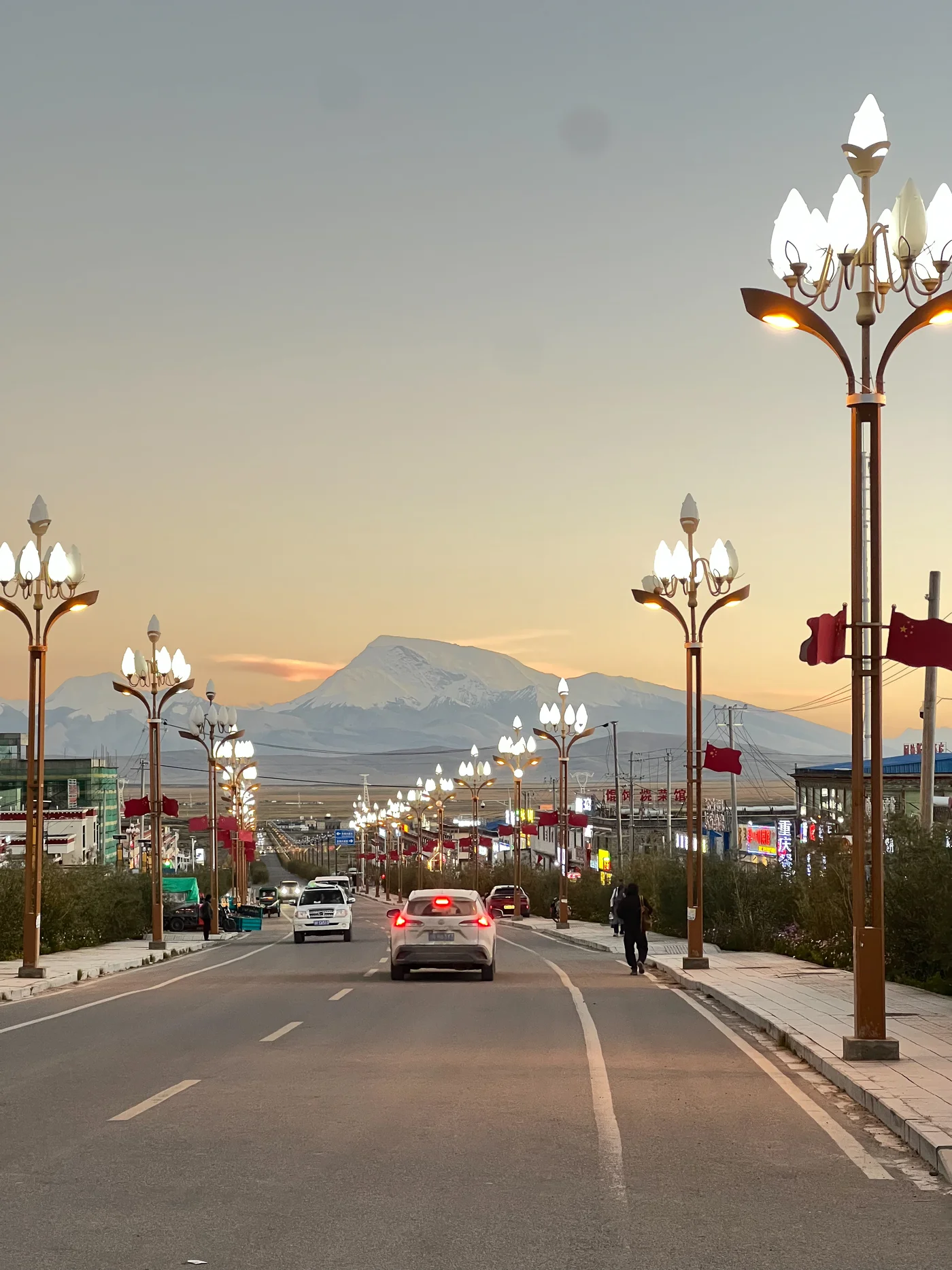
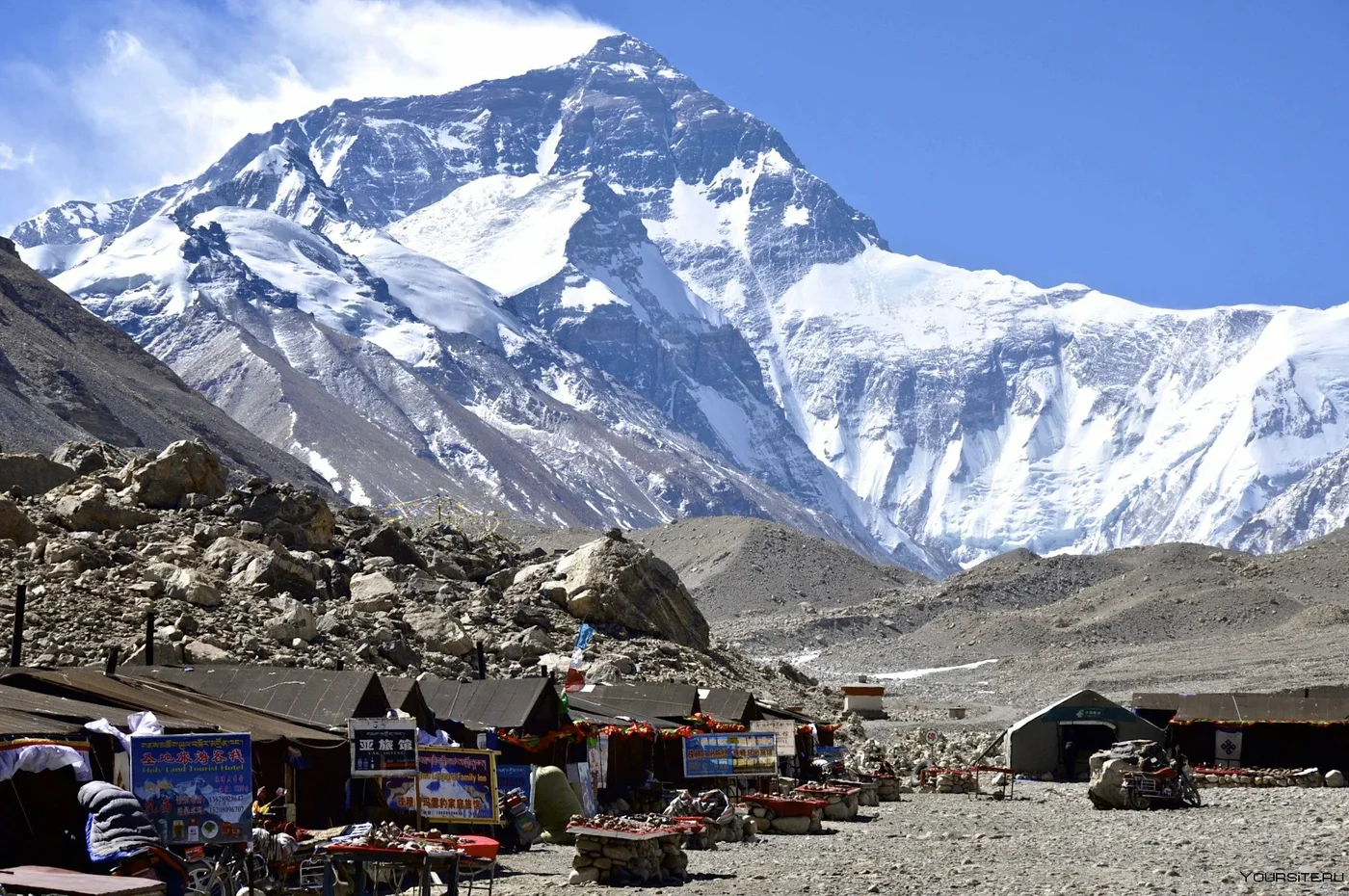
China is a completely different story. Severe weather, landslides, and other disasters occur there as well, but the terrain of the Tibetan Plateau is more gentle. And, of course, Nepal cannot keep up with China in terms of scale and capabilities. The country is investing trillions in infrastructure, building tunnels and hundreds of kilometers of perfect highways at altitudes where, it would seem, nothing should function. Those who have crossed the border from Nepal have often described it as if they’d stepped from one world into another. A similar contrast is evident between the Everest base camps. On the Chinese northern side—smooth asphalt almost all the way to the base and a new tourist complex with everything needed for comfort. On the Nepalese southern side—just as before, tents pitched on bare rocks.
Acclimatization
Another key factor is the elevation gain during the trek. How a person feels during the climb itself depends directly on this. The Nepalese route is often more demanding in this regard. When you’re flown from Kathmandu (1,400 meters above sea level) by helicopter or other means of transport, you find yourself high in the mountains far too quickly. If you’re not used to the altitude, few people can avoid altitude sickness and all its symptoms: shortness of breath, headaches, and bouts of nausea. There’s a risk of having to turn back without ever seeing Mount Kailash.
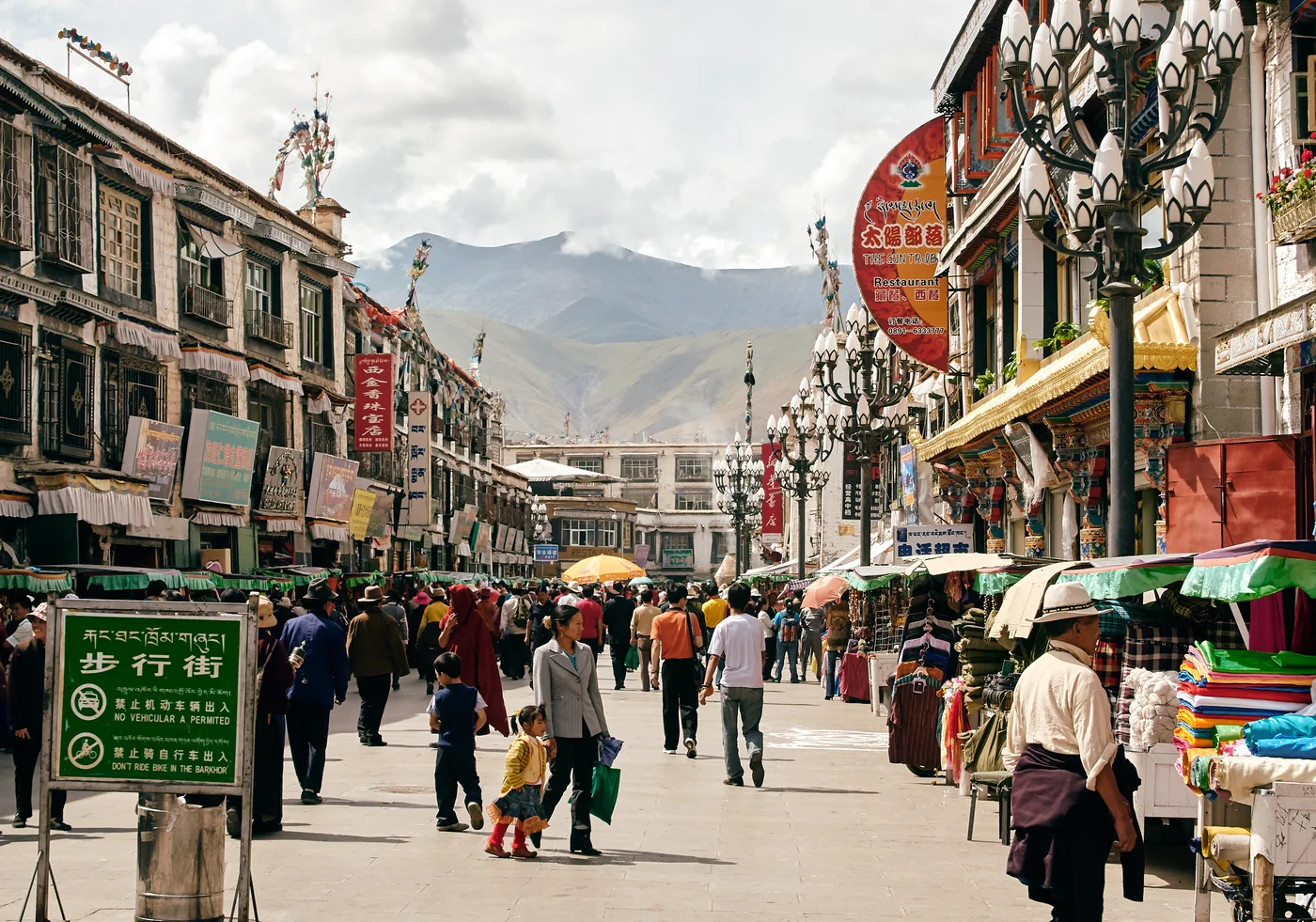
From the Chinese side, the journey usually begins in Lhasa (3,650 meters), where the group spends at least three days. During this time, they have the chance to explore the city at a leisurely pace and gradually acclimate to the new conditions, and then they continue on their way, heading higher and higher. By the time they reach the starting point of the trek in the village of Darchen, they’re well-prepared, so the Drolma-La Pass—the most challenging section—is noticeably easier to tackle.
Itinerary
Another difference between the routes is what you get to see along each one. From Kathmandu, travelers usually go straight to the pilgrimage site, bypassing Lhasa. Sometimes this is done for financial reasons: the trip is shorter, and lodging, food, and the services of Sherpa guides in Nepal are traditionally cheaper than in China.
But as the saying goes, “The miser pays twice.” With this option, you’ll miss out not only on Tibet’s “Golden Triangle”—the Potala Palace and the monasteries of Lhasa—but also on the northern slope of Mount Everest. When you consider how much more pleasant and safer it is to travel through China, choosing Kathmandu no longer seems like a good deal.
They don't skimp on safety
In the mountains, chasing the cheapest option often backfires. Trying to save money or time on a Nepalese trek can easily result in a ruined trip due to yet another rockslide in a gorge, an episode of altitude sickness, or something even more serious.
Yes, traveling from Lhasa is more expensive and takes longer. But for the money, you get predictability: a gradual acclimatization to the altitude, comfort, and smooth asphalt along the way. On a journey like the Kora around Mount Kailash, safety and peace of mind are far more important than a discount.
We will find the right route for you
Tell us what interests you, and a destination expert will get in touch, answer your questions about altitude, dates and preparation, and suggest a suitable programme. The consultation is free and commits you to nothing.
Request received
A destination expert will get in touch within one business day.