

What to Bring Back from Tibet: 20+ Best Souvenirs and Gifts
Tibetan singing bowls, dzis, thangkas, and tea: price guides and tips for choosing. Where to buy souvenirs in Lhasa and what to watch out for.
Religious souvenirs and relics
A trip to Tibet isn’t just a vacation in the usual sense. That’s why the souvenirs people bring back from there are so unique: not fridge magnets or keychains, but items with real meaning. Behind each one lies a story, craftsmanship, and centuries-old tradition.
When you go shopping, keep in mind: Chinese customs doesn’t mess around. Bladed weapons, such as beautiful Tibetan knives and daggers, will not be allowed through—neither in checked luggage nor in carry-on. They also take a strict approach to any antiques and cultural artifacts. To bring ancient manuscripts or thangka paintings across the border, you’ll need a special permit backed by an expert appraisal. So it’s easier and safer to buy something new—that way, you won’t run into any problems.
The top souvenirs from Tibet that are worth checking out when choosing what to bring back for yourself or your loved ones—from Buddhist items to goods and treats you won't find anywhere else.
Thangkas
Tibetan incense
Prayer Drums
Small Tibetan prayer beads
Singing Bowls
Buddhist Hadak Scarf
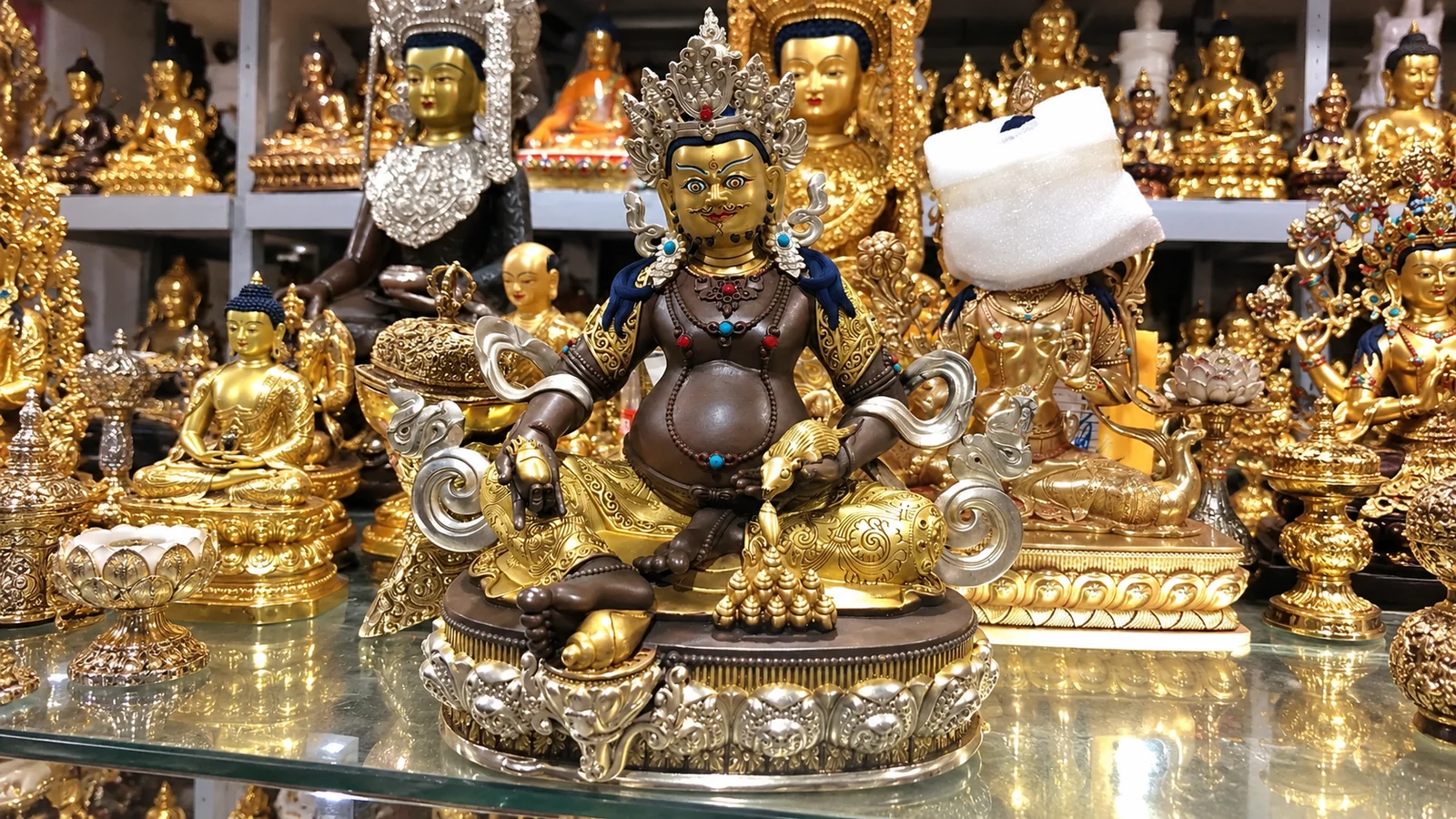
Buddha Figurines
Prayer Flags
Protective Amulets
Dzi Beads, etc.
Religious souvenirs and relics
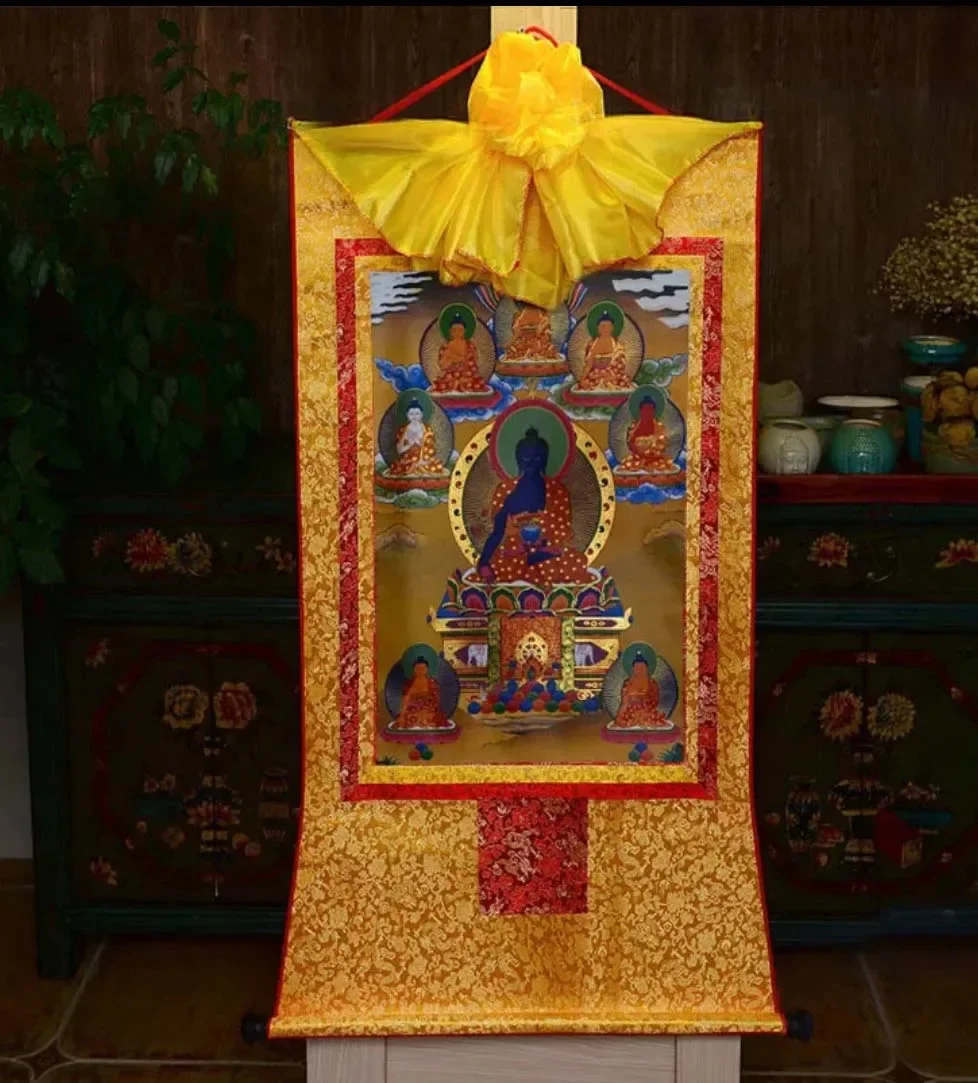
Thangkas are traditional scroll paintings on cotton or silk canvas depicting the Buddha, mandalas, or sacred scenes. Tibetan artists paint them by hand using mineral pigments mixed with ground semi-precious stones, and a single scroll can sometimes take months to complete. Such works are expensive—the price depends on the size: $300–500 for a small, handcrafted piece; $1,500–10,000 for a large, detailed, or gallery-quality piece. They are sold at monasteries or in specialized galleries and come with a certificate of authenticity. Markets and street stalls often offer cheaper printed versions ($10–60). Before buying, it’s a good idea to check how the image was applied so you can haggle and avoid overpaying for a standard print.
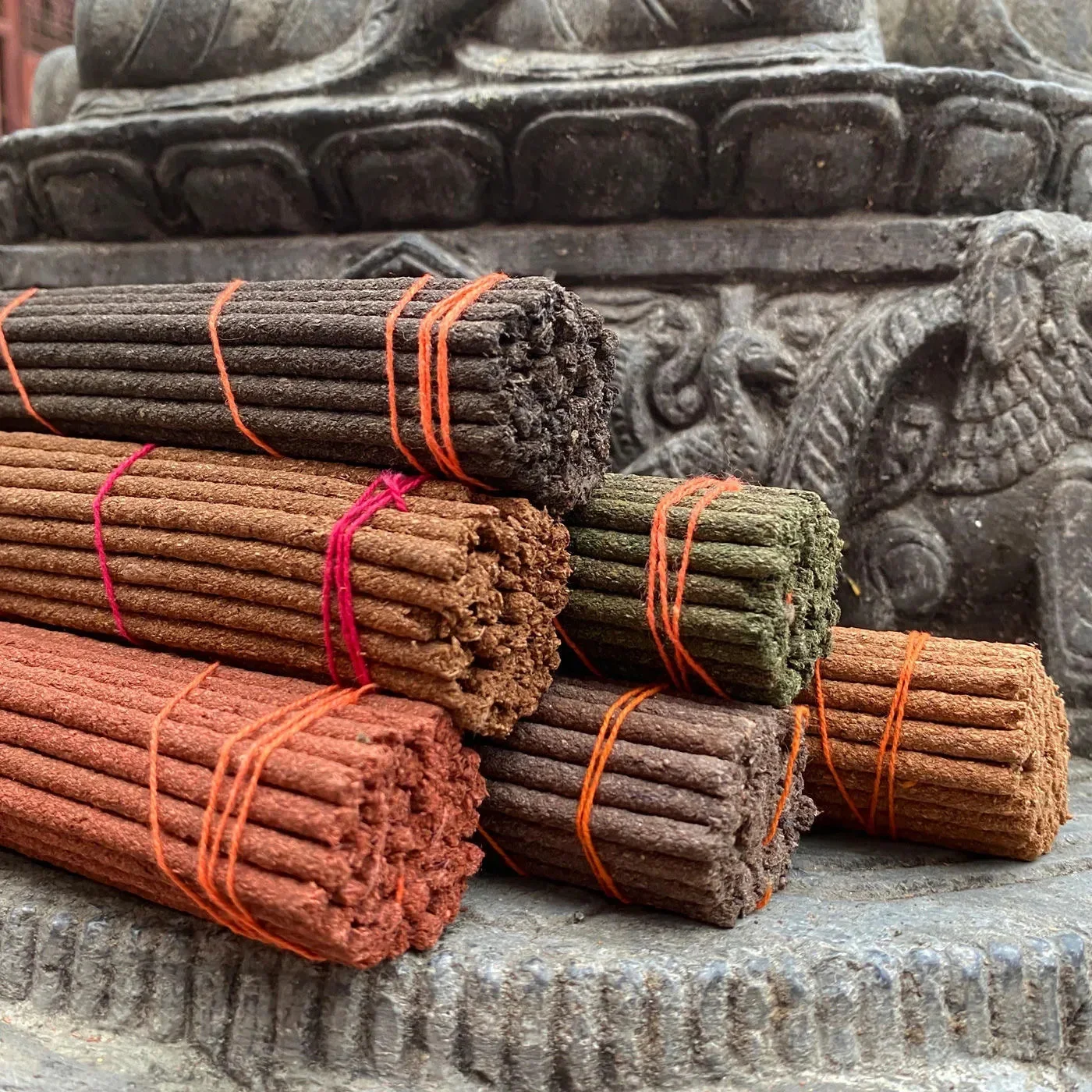
Tibetan incense is an atmospheric and compact gift. The sticks are made from mountain herbs, tree resin, and minerals—without a bamboo core inside, just a natural compressed blend. As a result, they burn without producing acrid smoke and give off a deep, herbaceous-woody aroma, rather than the cloying scent of Indian incense. Tibetans use them in monasteries and at home. It is said that they ward off negativity and help relieve nervous tension. A pack of 20–30 sticks costs around $3–18, while larger gift sets start at $20.
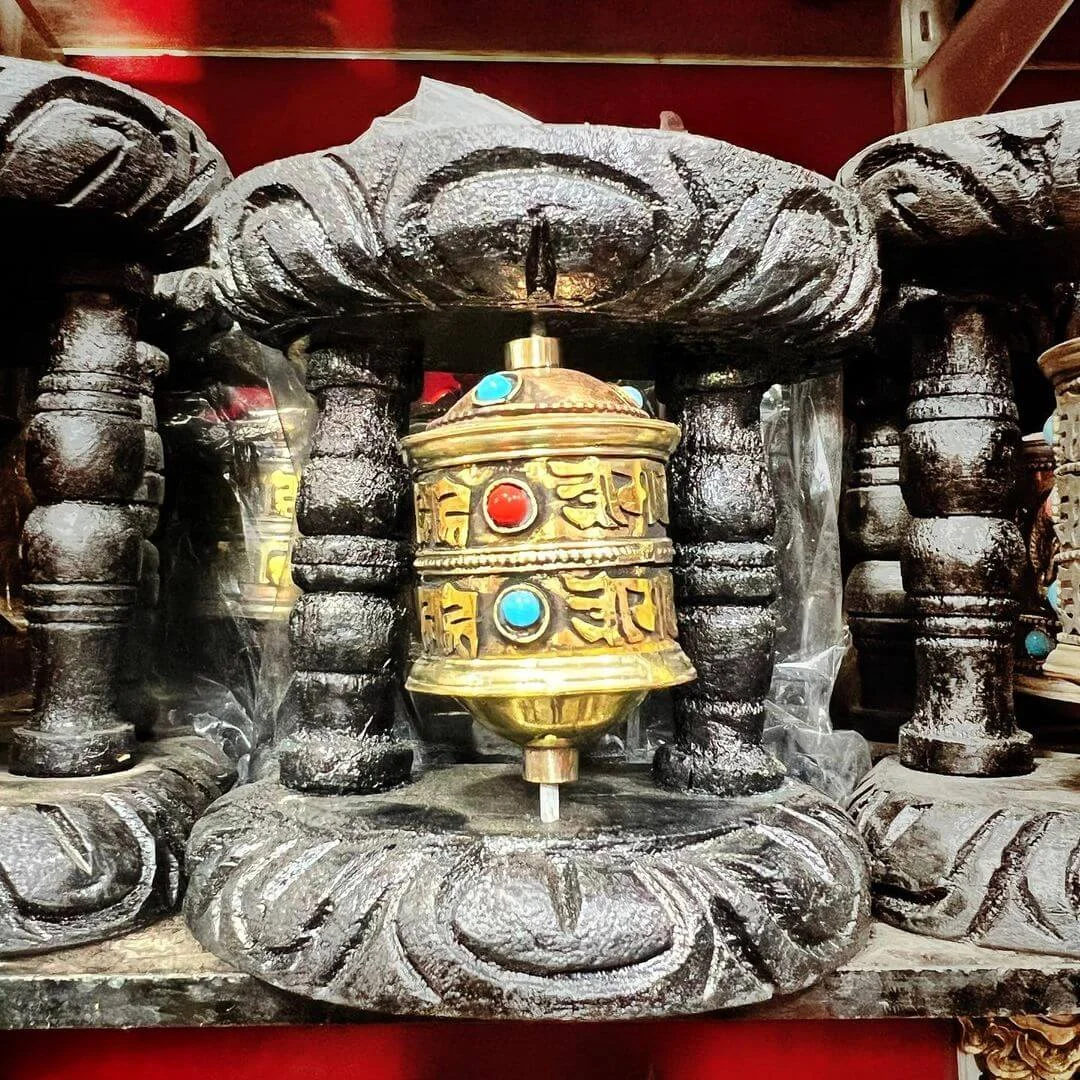
Prayer drums are everywhere in Tibet: in the hands of passersby, in monasteries, and at the gates of temples. Inside are scrolls with mantras, and turning the drum is considered equivalent to reciting them. Markets and shops offer a variety of options: small ones with wooden handles ($10–50) and tabletop versions made of copper and brass. High-quality, inlaid ones can cost as much as $250. People often buy Tibetan bells (drilbu) and a vajra—a small metal scepter symbolizing strength of spirit—along with the drums. All of these items not only look beautiful but are also considered talismans.
Tibetan mala prayer beads with 108 beads made of wood, seeds, yak bone, or natural stones also make for a colorful souvenir. Pilgrims use them to count the mantras they recite, and many travelers wear them as bracelets. Simpler prayer beads cost $5–35, while professional-grade ones, made from rare woods and adorned with silver, jade, or amber, can cost anywhere from $100 to $1,000.
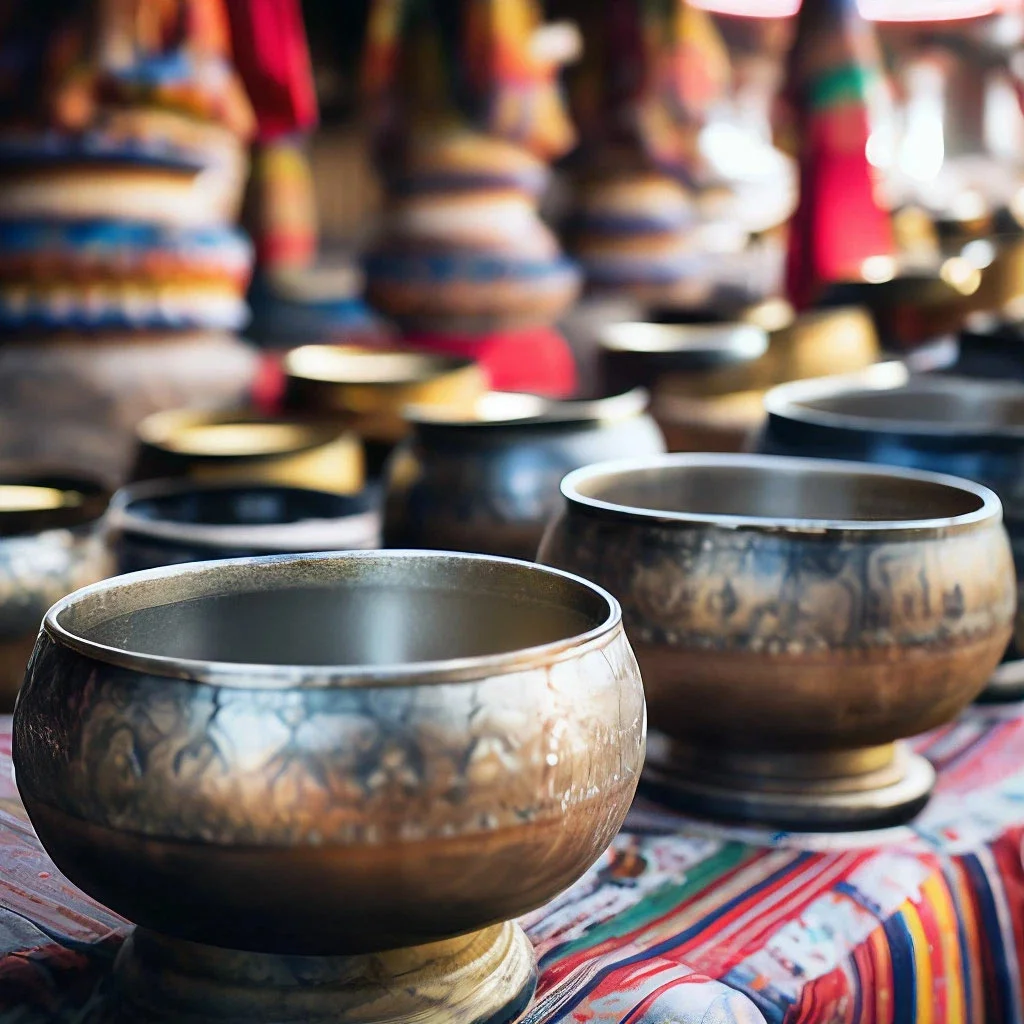
Singing bowls made of a seven-metal alloy are used for meditation, sound therapy, and relaxation. They begin to ring when a wooden mallet is struck against their outer rim. Hand-forged bowls have the richest, deepest “voice.” They range in price from $70–300+. The smoother, stamped bowls produce a simpler, quieter sound and are less expensive, starting at around $30. The main rule is to choose based on sound, not appearance. A genuine singing bowl produces a deep, vibrating hum that resonates in your hand and lingers for a long time.
People often bring back khadaks from Tibet—traditional Buddhist scarves made of silk or cotton. Prices start at $1–5. These scarves, which come in a variety of colors, are given as a sign of respect, hospitality, and goodwill. The most popular color is white, a symbol of purity and honesty.
Among ritual and religious items, travelers also enjoy bronze and copper Buddha figurines, incense burners, multicolored prayer flags, and protective amulets. But the selection doesn’t end there. Souvenir shops and markets in Tibet sell a wide variety of jewelry and accessories.
Jewelry and Charms
Bracelets made from natural millet vine are a symbolic gift that also offers health benefits. The plant is harvested high in the mountains, then steamed and hand-shaped into a ring. There are simple versions ($3–10) and more elaborate ones, featuring silver or gemstones ($25–100+). Milletia is highly valued in Tibetan folk medicine. It is believed that wearing such a bracelet regularly improves joint health. Over time, the bracelet darkens as it absorbs skin oils, becoming very smooth and shiny.
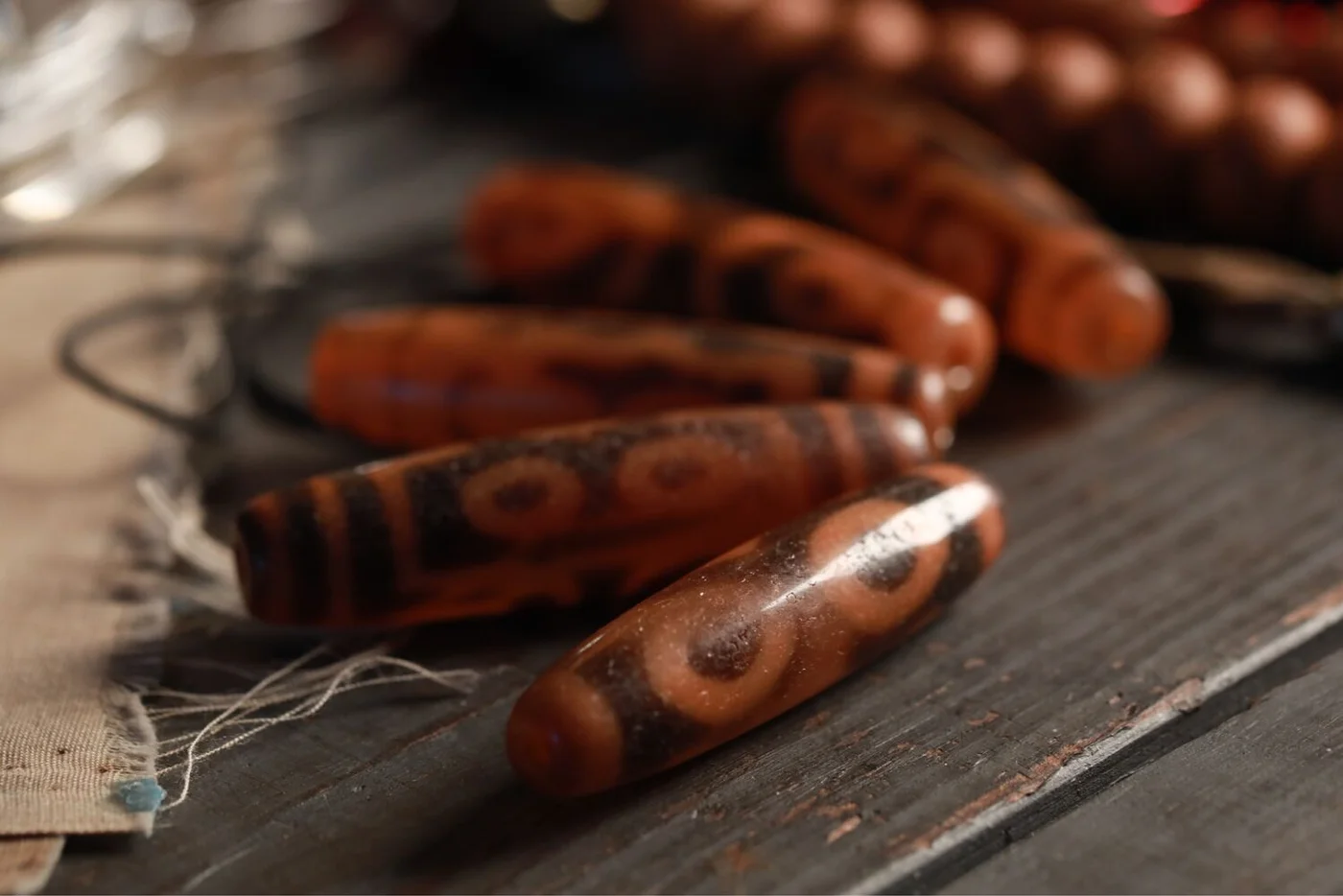
Dzi beads—elongated agate stones with a pattern of lines and “eyes”—are one of Tibet’s most famous and legendary talismans. Locals believe in their divine origin and consider them a powerful talisman that brings good luck, wards off misfortune, and protects the owner’s health and well-being. Authentic antique beads can sometimes cost $1,000 or more, but what’s found in markets are mostly modern imitations—there’s no point in overpaying for them. Beads with patterns etched using chemical etching cost $3–30, while higher-quality replicas (also known as “new Dzi”) cost $30–300.
In addition to Dzi beads, there is a wide variety of other jewelry available—rings, signet rings, earrings, pendants, and chunky necklaces made of base metals, glass, and dyed beads. There is also jewelry made of silver and gold, set with natural stones such as turquoise, coral, and agate. It’s best to buy expensive items at jewelry stores, where they provide a receipt and indicate the fineness.
Textiles and Crafts
Textile enthusiasts will appreciate gifts made from yak wool, as yaks are the most important animals to Tibetans. Scarves, stoles, blankets, and sweaters made from this yarn are very warm, lightweight, and soft. Genuine Tibetan yak down is not itchy, and items made from it come only in natural colors—ranging from coffee and gray to beige and black. Bright, garish colors are a sign that the item may be a counterfeit containing dyed sheep’s wool or acrylic.
A practical and stylish gift—a Tibetan chuba. This traditional wrap-around robe with wide sleeves is tied at the waist. Men’s versions are shorter, with hems reaching the knees or slightly below, and are paired with baggy pants and hats resembling cowboy hats. Women’s chubas are often made from expensive fabrics—such as silk or brocade—and adorned with embellishments and striped aprons, a symbol of marriage. A chuba can be worn for a colorful ethnic photo shoot or simply as an unusual outfit.
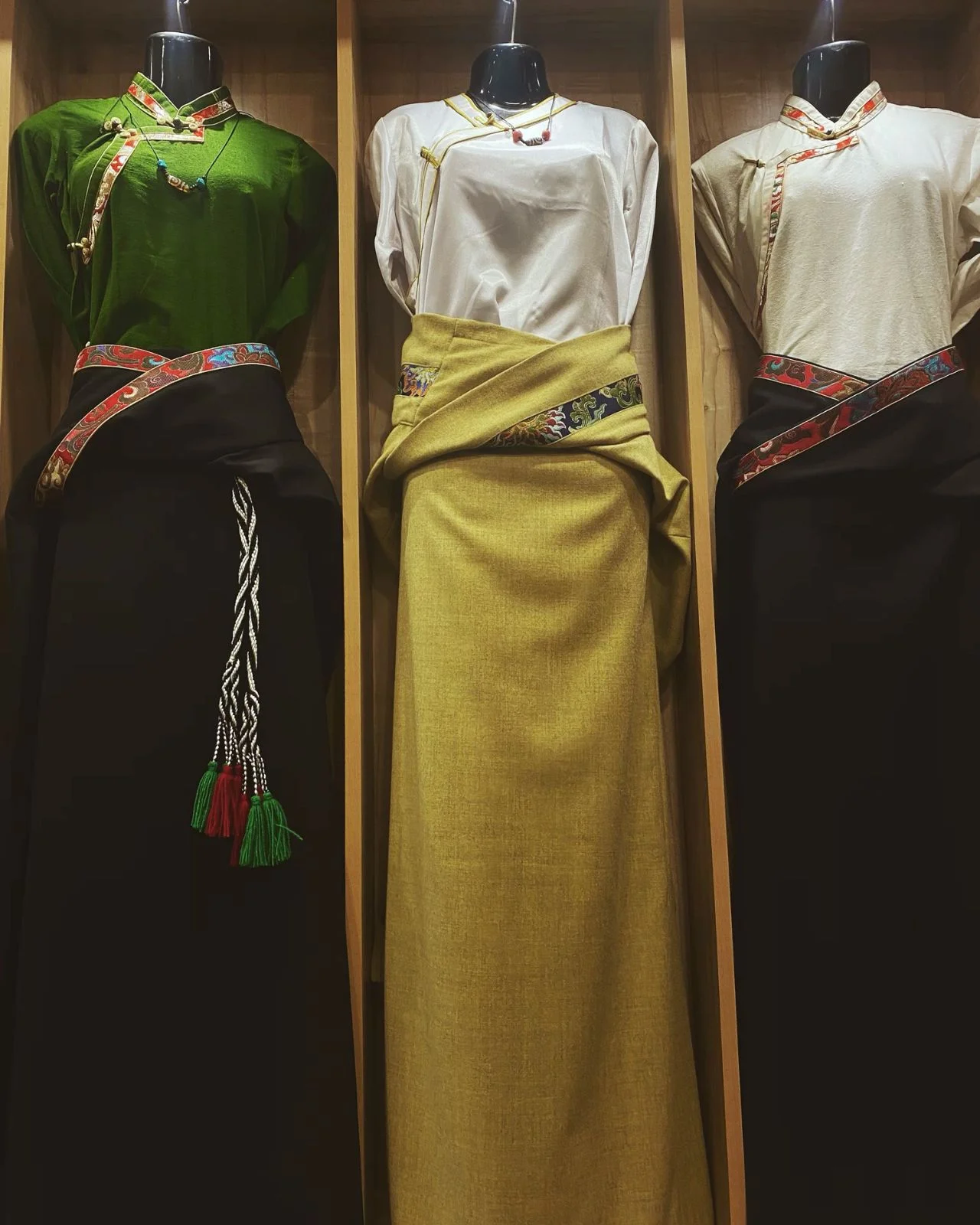
The price of such a gift depends heavily on the cut and fabric. A simple men’s everyday shirt costs $40–120. For women’s chubas, the price range is wider—$80–400 for a ready-to-wear outfit; $500–1,500+ for formal brocade outfits with hand embroidery. You can rent a chuba for photos: in Lhasa, renting a set of clothes costs $10–35 per day, and the price often includes jewelry, a traditional hairstyle, and makeup.
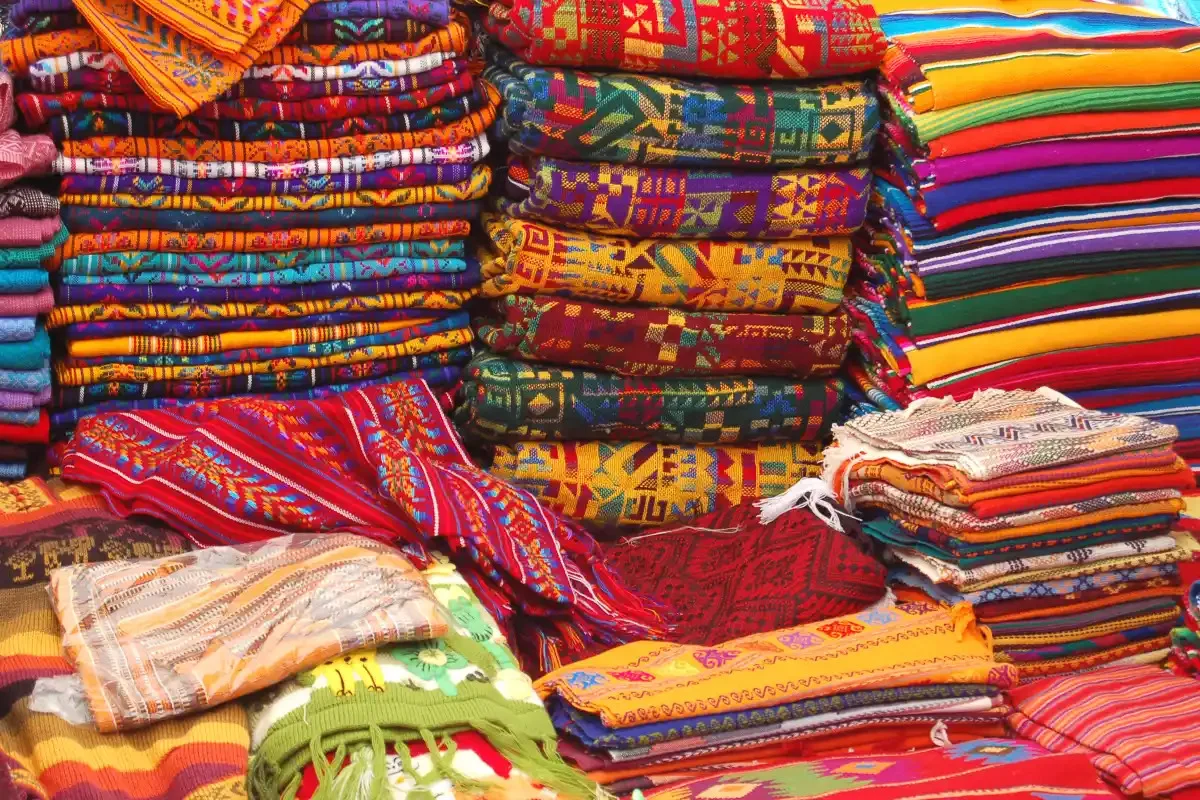
Traditional Tibetan rugs are world-renowned, on par with Persian and Turkish rugs. They are still handwoven from sheep’s wool and dyed exclusively with natural plant-based pigments. As a result, the colors are soft and soothing: deep red, yellow, blue, and brown. The patterns often feature geometric shapes, flowers, and animals—Tibetans especially love to depict tigers. It’s easier for tourists to take home a small rug for $30–150. If you fall in love with a large, expensive one (prices can reach $1,000–8,500), you can have it shipped home by mail.
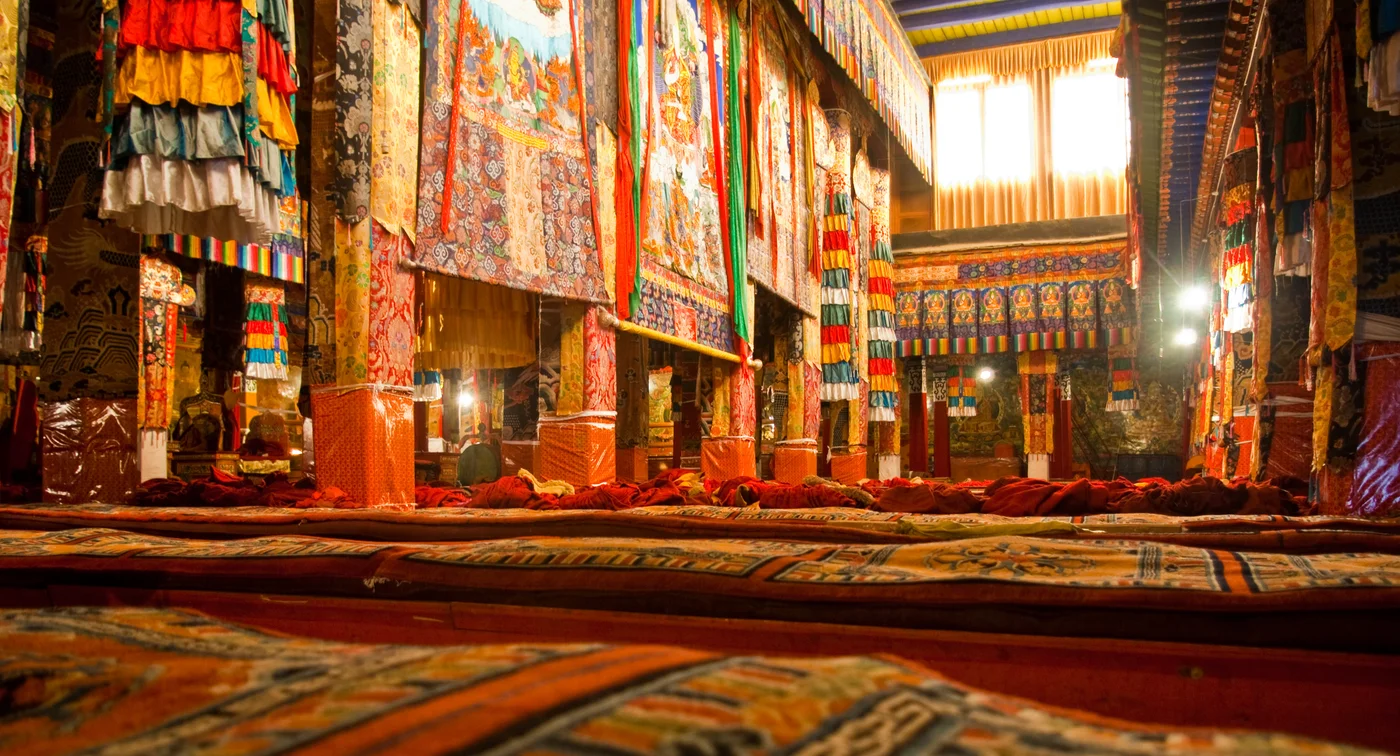
Fans of handicrafts will find traditional tableware in Lhasa’s shops—wooden bowls and dishes of various sizes for decoration, meals, and tea.
Treats
Of course, many people want to take a “taste” of Tibet home with them. Compressed Tibetan tea is one of the most popular edible souvenirs. It’s sold in the form of solid, heavy bricks or slabs for $2–10 (gift sets in tin cans cost $8–30). The flavor is distinctive and very astringent. This is the tea used to make traditional salty tea with milk and melted yak butter.
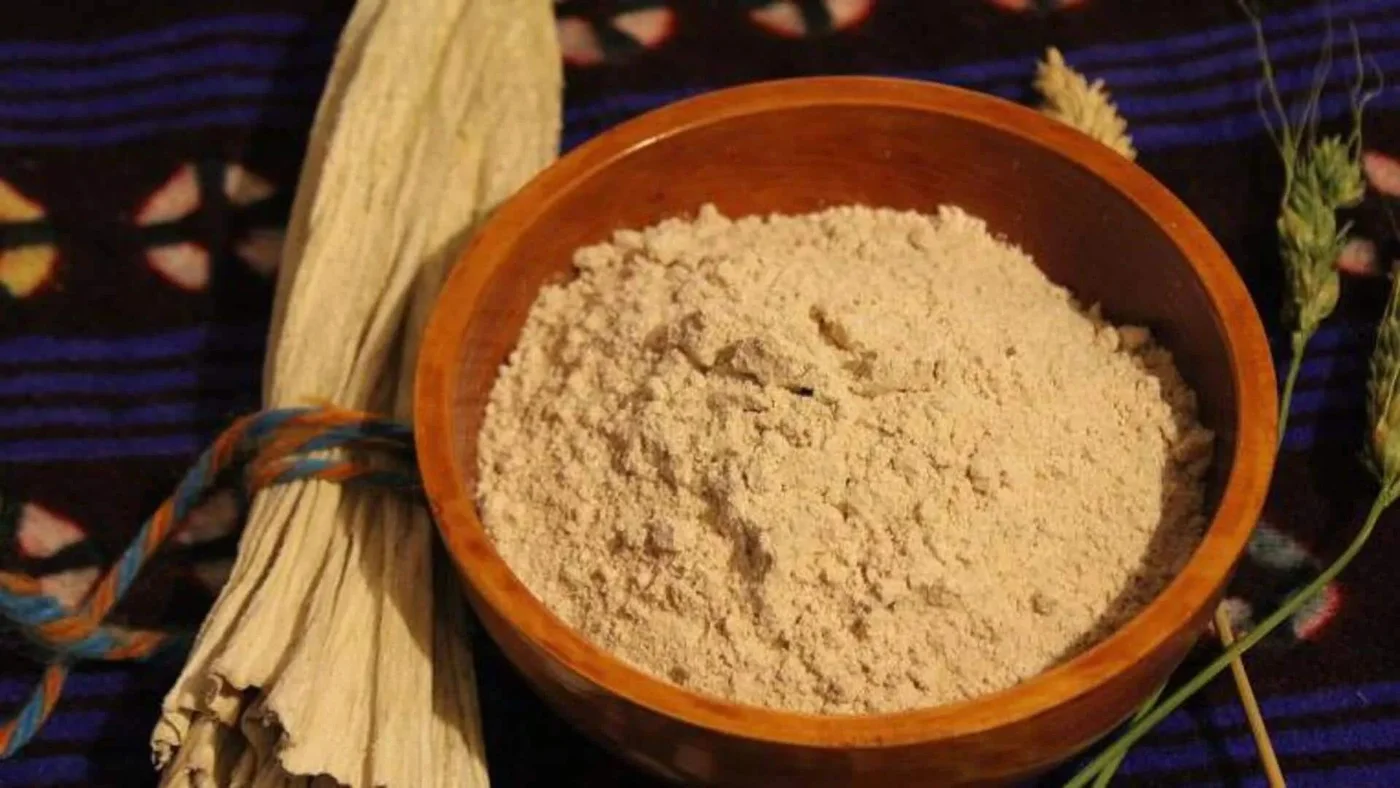
Tsampa, a flour made from roasted high-altitude barley grains, is Tibet’s premier superfood and a staple of the local diet. It can be served as an appetizer or a side dish. Tibetans mix it with hot tea, yak butter, cheese, or sugar, then roll the dough into balls. At home, you can use a package of tsampa to make a healthy morning porridge instead of oatmeal. Barley is rich in fiber and has a pleasant, slightly sweet, grainy flavor. It’s an inexpensive souvenir ($1–5 for a basic package and $5–15 for a gift set) that will delight those who love to experiment in the kitchen.
Dried yak meat is a great snack and a perfect gift for male friends. It resembles very dense, tough beef, but is far more flavorful. At markets, it’s sold in thin, stringy strips, dried almost to the point of being rock-hard. This light, compact, and filling source of pure protein comes in handy during long trips or high-altitude trekking. High-quality yak jerky costs $11–25 per 500 grams in specialty stores. It’s cheaper at markets, but there’s a risk of buying a counterfeit product made from a different type of meat.
People also often bring back dried yak milk cheese, milk candies, mixes for making butter tea, barley cookies, and chang—a local beverage made from high-altitude barley. It is also called beer, but its slightly sour taste, bread-like notes, and mild carbonation make it more similar to homemade kvass. Bottled, factory-made chang can be carried in your luggage.
Where to Buy Souvenirs
Tibet’s main market is Barkhor. It’s the street surrounding the Jokhang Temple in Lhasa’s Old Town—the very one that pilgrims walk along. There are hundreds of stalls, shops, and craft workshops here, and haggling is the norm. It’s considered normal to haggle the price down by 10–20% from the asking price.
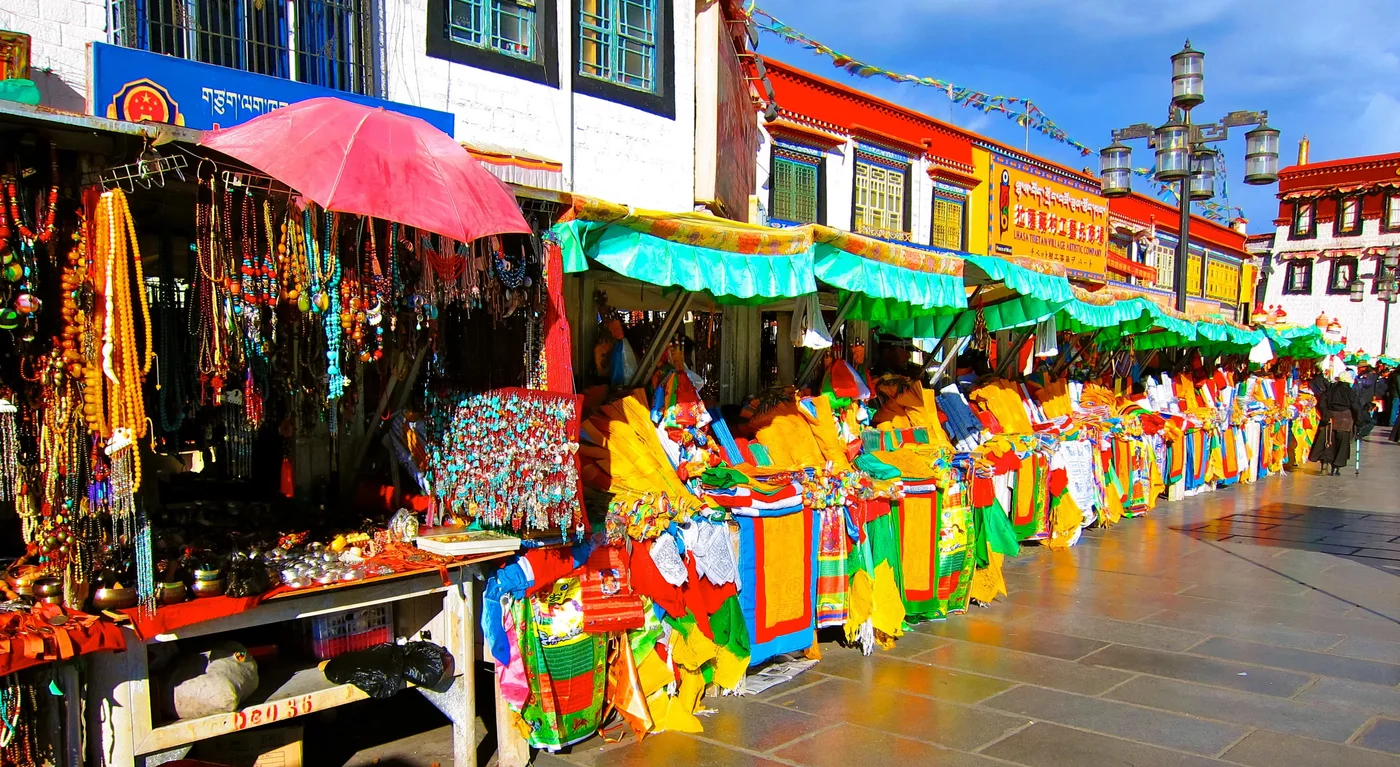
You can buy the same items in the side streets, but for less. Nearby is the “Barkhor” supermarket, where prices are negotiable, just like at the market. But you shouldn’t haggle at the Droppenling Craft Center—prices there are fixed. On the other hand, you don’t have to worry about the quality or authenticity of the items, and the proceeds go toward supporting local artisans. If you didn’t have time to shop in the capital, don’t worry—there are souvenir shops in Shigatse, Gyantse, and at many monasteries.
We will find the right route for you
Tell us what interests you, and a destination expert will get in touch, answer your questions about altitude, dates and preparation, and suggest a suitable programme. The consultation is free and commits you to nothing.
Request received
A destination expert will get in touch within one business day.